
Key Takeaways
Selecting the ideal venue is crucial in the event planning process, starting with the understanding of guest capacity for enhanced comfort and interaction.
Location and accessibility can heavily affect attendance, making it essential to consider parking and public transport options when selecting a venue.
Decor is vital in shaping an event’s atmosphere—elements like lighting and color influence guest emotions and their overall experience significantly.
Catering should showcase local flavors and dietary preferences, utilizing seasonal ingredients while providing diverse meal options to boost guest satisfaction.
Establishing a structured timeline accompanied by regular check-ins and flexibility allows for smooth execution and adaptability to unforeseen changes.
Opting for trustworthy vendors and fostering strong communication can elevate an event’s overall quality significantly.
Integrating technology can facilitate engagement, transforming traditional passive participation into an immersive experience for attendees.
Curating the Perfect Atmosphere for Every Occasion
Choosing the Right Event Space: What to Consider
Deciding on the right venue is of utmost importance in event planning, and the Bellevue banquet hall ecosystem offers numerous options. Professionals often suggest beginning with the guest list. Grasping the number of attendees lays the groundwork. A venue must comfortably host guests, allowing for movement and mingling. Beyond mere capacity, the layout and flow need consideration. Will there be presentations, or is it more of a networking affair? A well-planned layout reduces confusion and fosters interaction.
Location is another key consideration. Is the venue centrally situated? What about parking availability or proximity to public transportation? These logistical issues significantly impact the overall experience. Last but not least, the aesthetic appeal is also essential. A visually appealing space can elevate any event. Color schemes, style choices, and the mood established by lighting greatly affect guest perceptions.
- Assess guest capacity and comfort
- Evaluate layout for flow and functionality
- Consider location and accessibility
- Examine aesthetic appeal and ambiance
Setting the Tone: Enhancing Ambiance with Decor
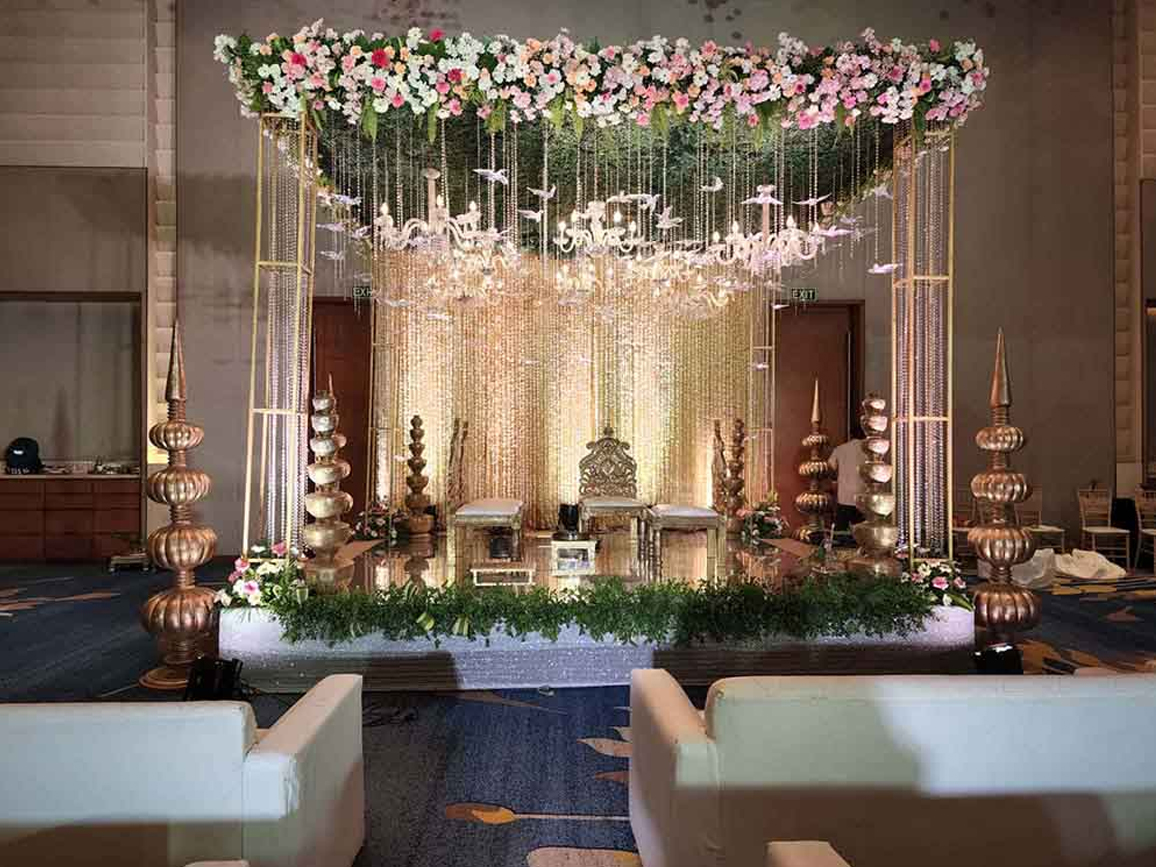
Decor isn’t merely an accessory; it’s the lifeblood of an event. An impressive appearance can elevate the ordinary into something extraordinary. Every single detail deserves attention. From table settings to lighting choices, every aspect needs to align with the event’s theme. It’s not uncommon for professionals to highlight focal points—they can establish a room’s center of attention and captivate guests.
In particular, lighting merits closer examination. The right illumination can stir emotions and create a specific atmosphere. Soft, warm tones bring intimacy, while brighter lights energize and inspire. Wedding planners, for example, find that up-lighting produces breathtaking visuals, turning even simple spaces into something grand.
“Ambiance not only sets the mood; it can create lasting memories.”
Colors convey important messages, too. Cool hues like blues and greens promote calmness, while warmer tones evoke excitement. Experts frequently advise that solidifying the mood begins with thoughtful color selections. Floral arrangements, table centerpieces, and decor should not only match but resonate with the gathering’s overall message.
- Create focal points for visual interest
- Incorporate strategic lighting to influence mood
- Choose colors that reflect the occasion’s theme
- Ensure decor enhances the event’s message
Exceptional Catering Options That Wow Guests
Signature Dishes: Raising Menus with Local Flavors
Catering greatly impacts the guest experience, and there’s often a notion that culinary excellence is a luxury rather than a necessity. This simply isn’t the case. An ideal menu should reflect regional culture and appeal to a variety of tastes. Partnering with local caterers showcases the community’s culinary highlights while crafting memorable dishes. Using seasonal ingredients notably enhances flavor and freshness. Think about including local wines or craft beers to elevate the culinary journey.
When creating menus, experts advocate for a balance between classic dishes and innovative approaches. For formal gatherings, blending traditional fare with creative spins can engage guests without pushing them away. Signature dishes frequently end up as conversation starters, serving as delightful reminders of the event long after it concludes.
“Food is a universal language; it connects people, ignites conversations, and creates lasting impressions.”
Furthermore, the presentation of food is crucial. Guests often first consume with their eyes. Appealingly plated dishes entice the palate and enhance the dining experience. For instance, trendsetters are leaning toward food stations instead of conventional buffets, allowing guests to customize their plates, which makes the dining experience interactive and enjoyable.
- Utilize local ingredients for authenticity
- Create a balance between traditional and innovative dishes
- Incorporate local beverages for added flair
- Present food in an artistic manner
Dietary Needs: Customizing Menus for All Guests
Today, diversity in dietary preferences is no longer just an afterthought; it’s a non-negotiable aspect of event planning. Modern events should accommodate allergies, restrictions, and personal preferences while ensuring taste and enjoyment remain intact. Experts generally recommend gathering meal preferences during RSVPs to ensure a comprehensive range of options. Open communication is key, allowing guests to feel respected and catered to.
Offering personalized meal options fosters a sense of inclusion. Plant-based dishes, gluten-free offerings, and low-sugar choices can be delightful when thoughtfully crafted. Rather than seeing dietary needs as obstacles, professionals recognize them as opportunities for innovation. A well-rounded menu showcases a commitment to hospitality.
- Solicit dietary preferences during RSVPs
- Offer a variety of meal styles and options
- Ensure that dietary needs feel inclusive, not limiting
- Create engaging meal descriptions that celebrate flavors
Streamlining Event Planning: Tips from Industry Experts
Creating a Smooth Timeline: Expert Planning Strategies
In the realm of event planning, tight timelines are standard. A robust timeline can lead to smoother execution. Planning experts emphasize breaking the timeline into manageable tasks to lighten the load. Begin with a master schedule, then categorize tasks by venue, catering, decor, and more. Assigning responsibilities keeps everyone aligned and minimizes confusion.
Including all stakeholders early in the planning phase encourages collaboration. Holding regular check-ins ensures that everyone is informed. This proactive method reduces last-minute problems, allowing more energy for refining details. Ultimately, planning an event should feel more like an adventure than a chore.
“A well-structured timeline is the backbone of event success.”
Occasionally, surprises will emerge. The key is resilience. Maintaining flexibility while adhering to the plan keeps the momentum going. Data shows successful planners incorporate buffer zones, allowing extra time between tasks. This keeps any unexpected challenges from derailing the entire schedule.
- Create a master schedule with clear categories
- Regular check-ins with stakeholders
- Be flexible and adaptable to changes
- Incorporate buffer zones in the timeline
Choosing the Right Vendors: Building a Reliable Team
Vendors are pivotal to event execution; selecting them thoughtfully can lead to outstanding results. Experts typically recommend evaluating potential vendors based on their quality and reliability. Look for those with solid reputations, enthusiastic references, and a proven history with similar events. Prioritizing quality dramatically enhances the experience for everyone involved. Engaging the right team upfront facilitates necessary adjustments down the line without sacrificing standards.
Fostering relationships with vendors is also advantageous. Open communication nurtures mutual understanding and strengthens rapport. Vendors often provide insights that can uplift an event—sometimes ideas that wouldn’t initially seem suitable become valuable after exploration. Great events stem from teamwork; coordinated efforts yield remarkable outcomes.
- Evaluate vendors based on quality and reputation
- Forge meaningful relationships through communication
- Encourage vendor input on ideas and improvements
- Maintain transparency with everyone involved
Transforming Events with Innovative Design Concepts
Designing Unique Experiences: Trends in Event Aesthetics
Event design transcends mere decor; it aims to create unique experiences that resonate with attendees. Modern aesthetics are shifting toward a more maximalist approach, surprising guests in engaging ways. While some events may still prefer a clean-lined look, bolder choices provide an invitation to explore. Layering textures and colors adds depth, prompting interaction.
Design professionals often stress the importance of storytelling through decor. Every element, from tablecloths to centerpieces, should impart a narrative. Clients frequently find that distinctive themes do more than adorn a venue; they cultivate an immersive environment. Guests pay attention when every detail reinforces the fundamental message of the occasion.
“A successful design weaves together storytelling and experience.”
Beyond visuals, consider how spaces relate to guests. Open layouts encourage mingling, while intimate settings foster deeper conversations. Thoughtful design can inspire connections—both visual and social. Utilizing cozy seating areas or interactive installations can greatly enhance engagement.
- Embrace bold aesthetics for a dynamic atmosphere
- Create narratives through decor elements
- Consider layouts that promote interaction
- Incorporate immersive installations to raise experiences
Technology Integration: Enhancing Engagement and Interaction
In today’s digital environment, the integration of technology isn’t just beneficial; it’s essential. Event planners leverage apps for RSVPs, social media live feeds, and projection screens for slideshows or videos. Technology streamlines communication and improves organization, significantly elevating the guest experience. It’s less about selling gadgets and more about enhancing the overall flow of the event.
Engaging guests through technology can manifest in various ways. Virtual reality experiences, mobile photo booths, and real-time feedback mechanisms deepen connections and interaction. These technologies aren’t limited to grand conventions; they can shine in more intimate settings as well. Interactivity is what attendees crave. Adapting tech usage to fit the event’s size and purpose creates memorable interactions, fostering a sense of belonging.
“Incorporating technology is more than a trend; it shapes new possibilities.”
Data indicates that tech-enhanced guest interactions lead to unforgettable experiences. It transforms events from spectator-centric affairs to participatory engagements, which is truly where the magic occurs.
- Utilize apps for smooth logistics management
- Incorporate interactive technology for guest engagement
- Tailor tech use to event size and purpose
- Encourage social interaction through digital elements
FAQ
What are the benefits of booking a venue early?
Securing a venue early provides access to a greater variety of choices and better pricing options. As event dates draw nearer, popular venues can become less available, and costs may increase. Early bookings also allow more optimal planning time, reducing stress and enhancing the event’s overall quality.
How can event designers incorporate sustainable practices?
Event designers can promote sustainability by using environmentally friendly materials, prioritizing local suppliers, and minimizing waste. Making conscious choices such as digital invitations, biodegradable decor, and compostable dinnerware not only lessens environmental impact, but also resonates with guests who are environmentally conscious.
What role does event insurance play in planning?
Event insurance serves as a safety net against unforeseen events such as cancellations or vendor failures. It’s a prudent investment, offering peace of mind and protecting against financial losses. Most industry professionals advocate for including it in budgets, especially for larger gatherings.
How can interactive activities enhance events?
Interactive activities encourage participation and make events more memorable. They invite guests to engage actively, deepening connections and igniting discussions. From photo booths to live polling, these activities can amplify enjoyment and forge lasting memories for attendees.
What’s the importance of an event debrief after the occasion?
An event debrief is instrumental in analyzing what worked effectively and what fell short, laying the groundwork for future improvements. This reflective process allows for feedback collection from both attendees and team members, which is invaluable for refining event planning strategies moving forward.
How can client feedback influence future events?
Client feedback offers valuable insights into what attendees valued and areas needing enhancements. Grasping guest experiences informs future offerings, boosts satisfaction, and helps build a reputation as a client-centric service. Listening opens the door to ongoing growth and industry success.
What types of technology can enhance networking at events?
Networking apps can simplify connections by providing attendee profiles and enabling direct messaging. Additionally, interactive displays or screens that showcase social media feeds promote live engagement. Such technological tools enhance the networking experience, facilitating easier connections among attendees.
How can cultural themes shape event planning?
Cultural themes add richness and individual character, allowing organizers to honor diversity while engaging attendees personally. Integrating traditional elements—ranging from cuisine to music and decor—creates an immersive experience that resonates with guests and underscores the event’s intentions.
Useful Resources
- Eventbrite– A platform for online event registration and ticketing, offering resources for event planning.
- Meetup– A networking site that helps people connect with others in their area and expand their event planning skills.
- Event Planning– Thorough resources and guides for successful event planning, including tips and best practices.
- The Knot– A wedding planning site offering resources on venue selection, catering, and decor ideas.
- PCMag – Event Planning– Reviews and articles on the latest tools and technologies for enhancing events.
- McKinsey & Company – Event Strategies– Insights and research-based strategies for improving event engagement and attendee experience.
- Event Manager Blog– A leading source of information and resources for event professionals, covering the latest trends and technology.
- Successful Meetings– An online resource with articles, features, and best practices for effective event management and planning.
