
Key Takeaways
Plasma holds immense importance in contemporary medicine. It’s a vital component in the treatment of severe health conditions like hemophilia and immune disorders. Every plasma donation has the potential to save lives by delivering essential therapies to those in need.
The process of donating plasma includes an initial health screening, a blood test to confirm eligibility, and generally around 45 minutes for the actual donation. During this time, plasma is separated, and the remaining blood is returned to the donor. Understanding the process and being prepared can greatly enhance the experience.
Local plasma donations make a significant difference in community healthcare by ensuring that hospitals have sufficient supplies of plasma-derived therapies for patients receiving critical treatments. This ultimately leads to improved healthcare access and prompt responses during emergencies.
In Utah, regular plasma donations help bolster healthcare resources, enabling blood banks and collection centers to keep essential medications for chronic health issues in stock, thereby enhancing the overall health of the community.
First-time donors can look forward to a positive experience that features appointment scheduling, pre-donation guidance, and care after donation, all aimed at ensuring comfort and safety throughout.
While many donors receive compensation for their time, a large number emphasize the personal satisfaction and sense of connection to the community they experience by helping others as the true reward of plasma donation.
To improve the experience, first-time donors are encouraged to wear comfortable clothing, stay hydrated, and consider bringing a friend for moral support. This can make the donation more enjoyable and less intimidating.
Why Donate Plasma? Unleashing the Power of Your Contribution
The Lifesaving Potential of Plasma Donation
Plasma serves a critical role in modern medicine, forming the backbone of numerous treatments. It’s not merely a fluid circulating in the bloodstream; it is a lifeline for individuals challenging severe health issues. By choosing to donate plasma in Utah, donors directly impact therapies for conditions like hemophilia, immune disorders, and burn care.
The extent of this impact is substantial. For many, plasma donations represent not just a gift, but vital elements that save lives. Think of a patient needing immunoglobulin therapy for a rare immune deficiency; each infusion they receive could contain plasma from a donor, illustrating the interconnectedness these contributions foster within communities.
It’s crucial to grasp how plasma donation operates. Plasma, the clear, yellowish liquid accounting for roughly 55% of blood volume, transports cells and proteins throughout the body. By donating plasma, individuals offer up essential resources their bodies produce, enabling the creation of life-saving therapies.
Understanding the Plasma Donation Process
For individuals who are unfamiliar with the process, donating plasma might appear intimidating. Yet, with adequate preparation and insight, it can become a smooth and gratifying experience. The donation process typically follows several carefully designed steps focused on safety and efficiency.
- Initial Screening: Upon arrival, donors will complete a health screening which includes inquiries about their medical history, lifestyle habits, and any medications they may be taking.
- Blood Test: A small sample of blood is taken to check protein levels and confirm eligibility.
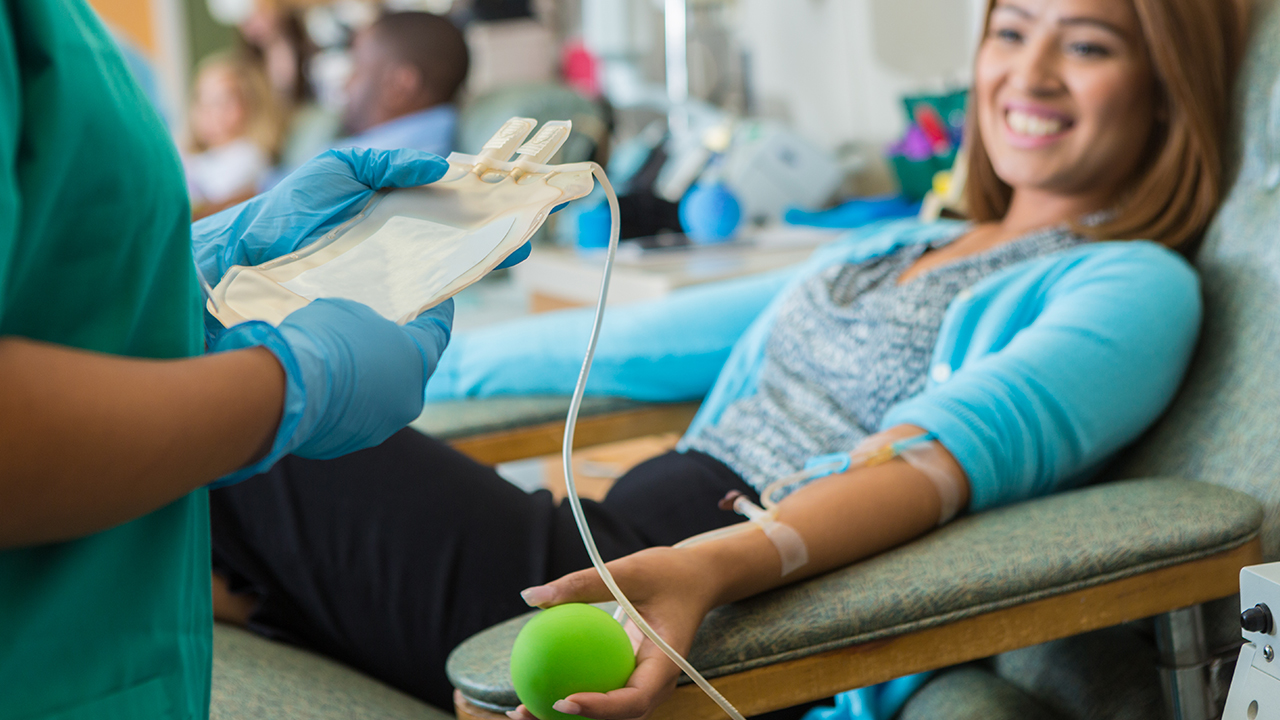
- The Donation: The donation itself lasts approximately 45 minutes to an hour, during which blood is withdrawn, plasma is separated out, and red blood cells are returned to the donor’s body.
Imagine settling into a comfy chair during the donation, perhaps catching up on a favorite show or diving into a good book. This ease and simplicity often invite many individuals to participate, transforming a short commitment into a significant contribution to someone else’s life.
Making a Difference: The Community Impact of Plasma Donation
How Your Contribution Affects Local Patients
The impact of each plasma donation on the local community is profound. Picture a hospital ward where patients receiving treatment for life-threatening diseases depend on the generosity of donors. Their futures can rely heavily on the availability of plasma-derived therapies.
Community members often find solace in knowing their donations provide not just medication, but hope. Each donation helps hospitals maintain adequate supplies of plasma products, ensuring they are prepared to act when time is critical. Such a system fosters improved healthcare access, enabling local patients to obtain timely and effective treatment.
“Every donor’s contribution is a thread in the fabric of healing; together, they stitch lives back together.”
Boosting Healthcare Resources in Utah
In Utah, plasma donations are vital in sustaining local healthcare resources, knitting the community together. Blood banks and plasma collection centers are dedicated to ensuring medical facilities have the necessary resources available. Through regular donations, they secure essential plasma-derived medications for various chronic health conditions such as hepatitis.
- Strengthening Community Health: Donating enhances local medical systems, facilitating more effective responses to public health crises.
- Building Trust: Active participation in donation creates trust within the community, assuring individuals that help is readily accessible nearby.
- Encouraging Participation: Successful donation campaigns motivate others in the community to contribute, fostering a culture of empathy and support.
This collective endeavor culminates in healthier communities and an increased number of lives saved. It transcends individual contributions; it underscores a community uniting to support its members during their most vulnerable moments.
What to Expect When Donating Plasma in Orem
Step-by-Step Walkthrough of Your Donation Experience
Anyone contemplating a donation in Orem can anticipate a streamlined and encouraging experience. First-time donors might feel a touch apprehensive, but clarity about the process can alleviate concerns.
- Set an Appointment: Scheduling an appointment helps minimize wait times and allows the staff to prepare for the day’s donations.
- Pre-Donation Preparation: A light meal and adequate hydration are recommended. It’s wise to avoid strenuous exercise leading up to the donation.
- Arrival: Check-in allows time for filling out paperwork and completing any necessary medical evaluations.
- The Donation: Donors can relax in a comfortable chair while trained staff handle the donation process.
- Post-Donation: After donating, it’s essential to take some time to rest and enjoy refreshments before leaving.
Questions surrounding discomfort or duration may emerge, but trained professionals are committed to prioritizing donor safety and comfort. Many donors leave the facility feeling fulfilled, having made a positive impact.
Addressing Common Questions and Concerns
Prospective donors frequently harbor questions before committing to the process. Addressing these inquiries can make a significant difference in building confidence and increasing donation rates.
- Is it Safe? Absolutely! Plasma donation is a strictly regulated process, guided by medical professionals who prioritize donor safety above all.
- How Often Can One Donate? Individuals may donate once every 28 days, allowing sufficient time for their bodies to recover.
- Will it Hurt? Most donors report only mild discomfort during needle insertion, akin to a standard blood draw.
Armed with the right information, potential donors often feel considerably more at ease proceeding with their decision. Understanding the safety measures and tangible rewards can influence their willingness to donate.
Maximizing Your Plasma Donation Journey
Tips for First-Time Donors
For those about to embark on their plasma donation journey, preparation can vastly enhance the experience. Here are a few practical recommendations:
- Dress Comfortably: Loose clothing facilitates easy access to the arm during donation.
- Stay Hydrated: Drinking plenty of water ahead of the appointment aids in the donation process.
- Bring a Friend: Having a companion for support may help ease nerves and share the experience.
These suggestions can empower first-time donors while eliminating reservations that could hinder participation in this notable act of kindness. Following simple guidelines can turn the experience into something less daunting and much more fulfilling.
Understanding Compensation and Benefits of Donation
Many individuals are curious about compensation related to plasma donation. Yes, donors typically receive compensation for their time—often in the form of monetary rewards or gift cards. Yet, is compensation the main draw? Frequently, it’s not. Numerous donors emphasize the personal gratification derived from assisting others as the true highlight.
- Financial Incentives: Compensation may vary by collection center, designed to acknowledge the time commitment of donors.
- Health Benefits: Regular donors may benefit from health screenings, as the process involves medical evaluations that can illuminate general health conditions.
- Community Impact: Besides personal rewards, the collective effect of aiding others cultivates a sense of belonging and pride, reinforcing community bonds.
Ultimately, the act of donating plasma moves beyond financial compensation. The knowledge that one’s efforts can make a genuine difference in lives is truly invaluable.
FAQ
What types of conditions benefit most from plasma donations?
Conditions such as hemophilia, certain immune disorders, and burn injuries derive considerable benefits from plasma donations. These patients depend on plasma-derived therapies for essential treatment, showcasing the lifesaving potential embedded in each contribution.
How does plasma donation compare to whole blood donation?
Although both processes entail donating blood, plasma donation specifically extracts the liquid component while returning red blood cells to the donor. This allows for more frequent donations, typically every 28 days, emphasizing plasma’s critical role in therapies.
What health screenings are performed before donation?
Before donating, individuals participate in a comprehensive health screening that encompasses questions about medical history, current medications, and lifestyle factors. Additionally, a blood test assesses eligibility based on protein levels.
Are there specific preparations needed before donating plasma?
Yes. Donors are advised to have a light meal and stay hydrated prior to their appointment. Steering clear of intense activities helps to optimize the donation experience, ensuring comfort and safety throughout.
Can individuals with certain medical conditions donate plasma?
This generally depends on the particular condition. Numerous medical issues may not disqualify an individual, but professionals evaluate eligibility during the initial screening. Consulting with the donation center regarding any health concerns is advisable.
What happens after the donation process is completed?
After donating, individuals are encouraged to rest and enjoy refreshments provided by the donation center. This helps to replenish energy levels and assists in safe recovery following the process.
How do plasma donation centers ensure safety and hygiene?
Plasma donation centers comply with strict safety standards, utilizing sterile equipment and experienced professionals to oversee the entire process. This prioritization of donor health effectively minimizes risks during donation.
Is there a waiting period for first-time donors?
First-time donors may experience a brief wait during their initial screening and testing phase. However, once they are determined eligible, the actual donation typically takes around 45 minutes to an hour, making the overall process quite time-efficient.
