
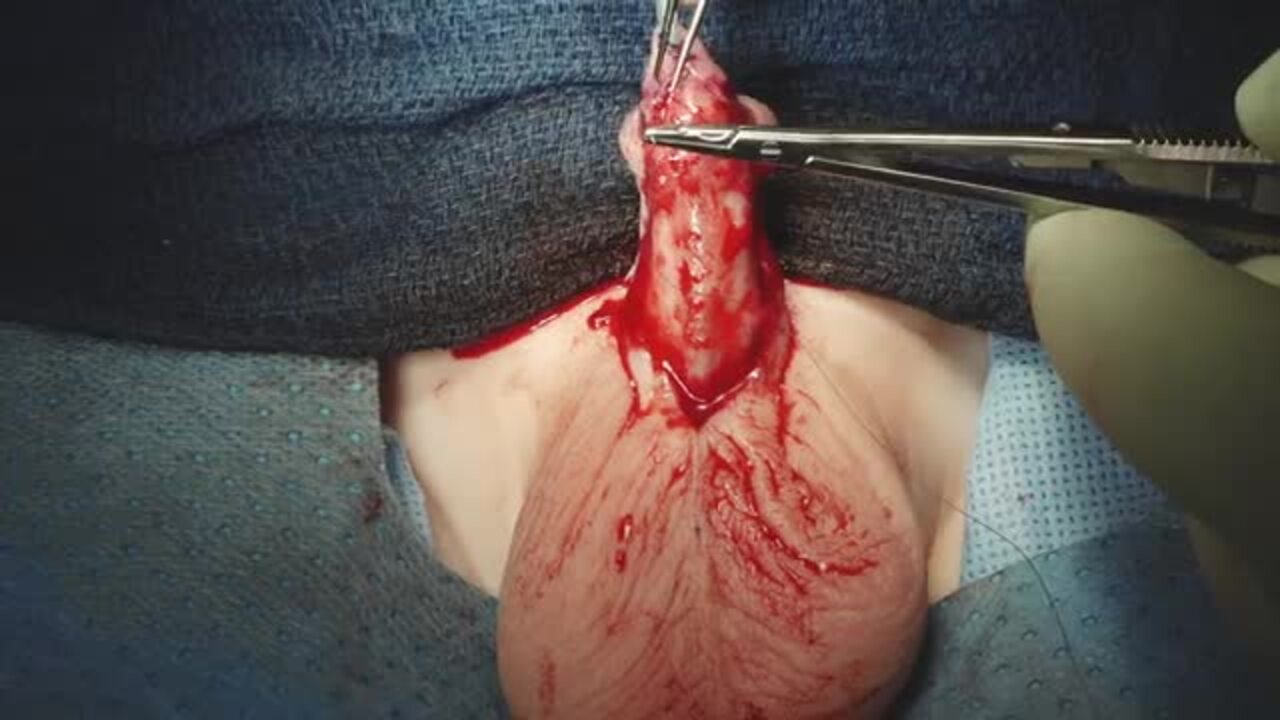
Hypospadias repair is one of the most nuanced fields in pediatric urology, yet it rarely earns the public attention it deserves. For many families, the diagnosis appears suddenly, often at birth, and brings a wave of uncertainty. Parents start searching for answers, outcomes, and reassurance that their child will receive the best possible care. Behind the scenes, however, are decades of evolving surgical techniques, dedicated specialists, and advancements that continue to improve results for children across the world.
Why Hypospadias Requires Specialized Expertise
Hypospadias is a congenital condition in which the urethral opening forms on the underside of the penis instead of at the tip. It can range from mild to severe, and the recommended treatment is surgical correction. Although the condition is common, the repair requires exceptional precision. Delicate tissue, small operative fields, and the goal of achieving both functional and cosmetic success make the surgery one of the more challenging reconstructive procedures in pediatric care.
Parents often arrive at their first appointment with many fears. They wonder what the surgery involves, how long recovery takes, and whether their child will experience complications. These worries are understandable. The most important message for families is that hypospadias repair is highly successful when performed by surgeons with specialized training. Over several decades, experts in the field have refined techniques, improved the understanding of tissue healing, and developed approaches that reduce complications such as fistulas, strictures, and curvature.
How Individualized Surgical Planning Improves Outcomes
One of the most meaningful advances in hypospadias repair has been the shift toward individualized surgical planning. There is no universal approach that fits every child. Surgeons evaluate the severity of the condition, the presence of penile curvature, the availability of foreskin tissue, and the child’s age and overall health. This tailored planning ensures that the chosen procedure offers the best long-term result.
Some children benefit from a single stage operation. Others require a staged repair that gives tissues time to heal between steps. The decision-making process is both scientific and artistic. It demands a deep understanding of anatomy, technique, and child development.
Families who seek care from a hypospadias specialty center often discover that these institutions provide expertise that extends beyond the operating room. A multidisciplinary team guides families through the entire journey. These centers frequently track detailed surgical outcomes, which strengthens patient trust and encourages continuous improvement.
Modern Techniques That Shape Today’s Repair Strategies
The evolution of surgical techniques has transformed hypospadias repair. Decades ago, the field depended heavily on skin grafts and older flap designs. Today, many surgeons favor techniques that use the child’s own tissue whenever possible. The tubularized incised plate technique, often called TIP or the Snodgrass repair, remains one of the most widely used procedures for distal hypospadias. It allows surgeons to reconstruct a natural looking and functional urethra in a single stage.
For more complex or proximal cases, advanced plate reconstruction, staged grafting, or hybrid methods provide reliable solutions. These improvements have significantly enhanced cosmetic outcomes and reduced complications.
An important shift in modern care involves preserving tissue that was once routinely removed. Foreskin tissue, previously discarded, is now often used to support reconstruction. This reflects a broader goal in the field. Surgeons aim not only to correct the anomaly but also to preserve natural tissue, create harmonious cosmetic results, and reduce the likelihood of additional procedures.
Choosing the Right Timing for Hypospadias Repair
Parents frequently ask about the ideal age for surgery. Most specialists recommend performing the repair between six and eighteen months of age. This age range supports safe anesthesia, smoother healing, and minimal psychological memory. However, older children and adults can still achieve excellent results when treated by experienced surgeons.
Timing should always be discussed with a specialist who can evaluate the child’s unique needs. What matters most is selecting an approach that prioritizes safety, comfort, and long-term success.
What Families Can Expect During Recovery
Recovery is another topic that raises many questions. Parents want to understand how long healing takes, how to manage discomfort, and which signs might indicate a problem. In most cases, children recover quickly. Modern pain management tools help minimize discomfort in the first days after surgery. Many children resume normal activity sooner than parents expect.
Follow up appointments allow the surgeon to monitor healing, evaluate urinary stream, and address concerns right away. When performed by experienced hypospadias repair experts, long term outcomes are excellent and complication rates remain low.
Complications can still occur, however. Hypospadias repair is complex, and even the most skilled surgeons may face challenges due to variations in anatomy and healing patterns. This is why choosing an experienced team or a hypospadias specialty center makes a meaningful difference. Specialists are equipped to handle complications effectively and to guide families through corrective steps if needed.
Research and Innovation Driving the Field Forward
Research is one of the pillars supporting continued progress. Specialists study outcomes, refine techniques, and explore new materials that support better healing. Some researchers focus on biological grafts that reduce inflammation. Others analyze long-term results to understand which approaches ensure strong functional and cosmetic outcomes into adolescence and adulthood.
Hypospadias repair is not a static specialty. It is shaped by innovation, collaboration, and dedication to improving care for every child. Training programs now offer more specialized fellowships, which means future surgeons will enter the field with advanced skills and deeper understanding from the start.
The Importance of Clear and Compassionate Communication
Another meaningful shift in modern care involves communication. Families need more than technical ability from their medical team. They need clarity, patience, and guidance that makes the journey feel manageable. Many parents recall feeling comforted by surgeons who explain the diagnosis in simple terms, answer difficult questions, and offer reassurance without minimizing concerns.
This communication becomes a core part of the overall treatment experience. It helps families feel confident and informed, and it adds humanity to a process that can feel overwhelming in the early stages.
Looking Ahead to the Future of Hypospadias Repair
Experts in the field are optimistic about the future. Advancements in imaging, microsurgical tools, and regenerative medicine hold tremendous promise. Researchers are studying new tissue engineering methods that may reduce the need for grafts. Collaborative data sharing across institutions helps refine best practices and set new standards of care.
For families facing a hypospadias diagnosis today, the landscape is far more encouraging than it was just a generation ago. Access to skilled specialists, research driven centers, and modern surgical techniques offers a level of confidence that parents deeply value.
Why Specialized Care Gives Families Peace of Mind
Hypospadias repair is more than a surgical procedure. It reflects the powerful intersection of medical expertise, innovation, and compassion. Parents often enter their first consultation feeling overwhelmed. Yet with the guidance of experienced teams, the path quickly becomes clearer. When families work with dedicated hypospadias repair experts, children receive care that is thoughtful, precise, and grounded in decades of research.
With support from specialists and the resources of a hypospadias specialty center, children can achieve excellent outcomes and parents can move forward with confidence and peace of mind.
