
The Rising Star: Understanding the Popularity of Porcelain Countertops
Why Porcelain is Taking Over the Design World
In today’s design landscape, porcelain countertops have emerged as a pivotal choice for homeowners and designers alike. The allure of porcelain transcends mere aesthetics; it is a culmination of functionality, versatility, and innovation. Porcelain, a natural material created by heating a mixture of clay, minerals, and water at exceptionally high temperatures, offers a range of benefits that cater to the evolving needs of modern spaces. The rise in urban living, where space is limited and utility is paramount, has propelled porcelain to the forefront of interior design. Its durability makes it ideal for high-traffic areas, while its sleek appearance effortlessly complements both traditional and contemporary settings. As we delve deeper into this remarkable material, it becomes evident that porcelain’s charm lies in its combination of beauty and practicality, making it the go-to choice for discerning homeowners.
The Advantages of Choosing Porcelain Over Other Materials
When it comes to countertops, the selection process can often feel overwhelming due to the plethora of options available. However, porcelain has quickly distinguished itself from competitors such as granite, quartz, and laminate for several compelling reasons. Firstly, porcelain is known for its exceptional durability—resistant to scratches, chips, and stains. Unlike granite, which is porous and requires sealing, or laminate, which can easily warp, porcelain stands up to the rigors of everyday use without compromising its integrity. Moreover, its heat resistance makes it a suitable choice for kitchen environments where scorching pots or pans may come into contact with the surface.
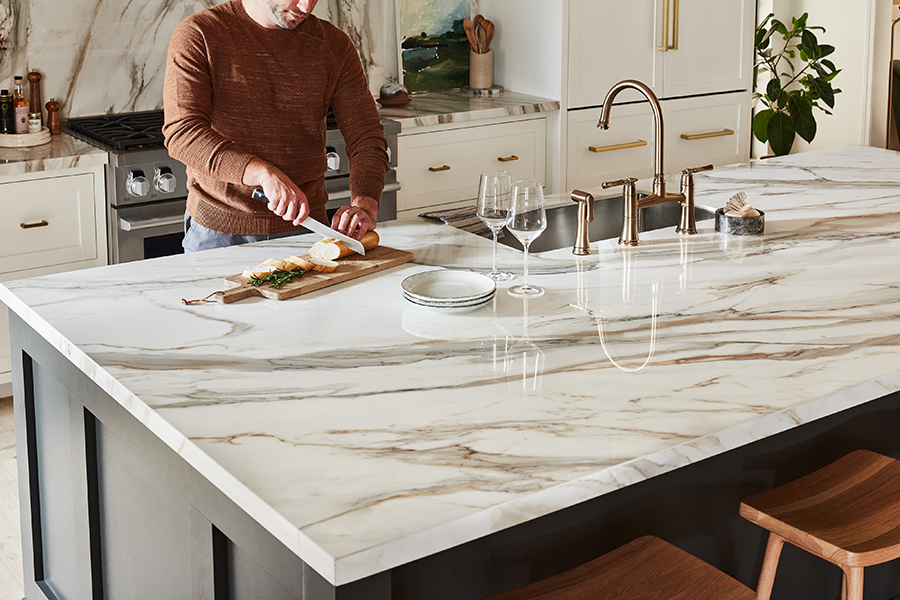
In addition to durability, aesthetic flexibility is another significant advantage. Porcelain can be designed to mimic the look of expensive materials like marble or even exotic woods, yet at a fraction of the price. This ability to blend aesthetics with function is appealing to a broad spectrum of consumers, from budget-conscious homeowners to luxury-seeking renovators. Furthermore, advancements in printing technology have allowed for a variety of colors, textures, and patterns to be introduced into porcelain, expanding the creative possibilities for any space.
Innovative Manufacturing: The Technology Behind Porcelain Countertops
The capabilities of modern manufacturing processes have greatly influenced the quality and variety of porcelain countertops available today. State-of-the-art production techniques, such as digital printing and high-definition imaging, have revolutionized the way porcelain is made, allowing for hyper-realistic finishes that closely mimic natural stones. The process involves compressing a finely ground mixture of kaolin and other raw materials into large slabs before subjecting them to extreme heat and pressure. This not only enhances the material’s structural integrity but also its visual appeal. Additionally, techniques such as ‘one-piece formation’ reduce seams and joints, resulting in a cleaner and more hygienic finish.
Continuous innovation in manufacturing means that consumers can now choose countertop styles in porcelain with integrated functionalities, such as antibacterial surfaces that inhibit the growth of microorganisms—a crucial attribute in kitchens and bathrooms. As sustainability becomes a major focus in production across many industries, numerous companies are transitioning to eco-friendly practices, utilizing recycled materials in their porcelain production—a trend that further enhances its appeal in a world increasingly concerned with environmental impact.
From Classic to Contemporary: Exploring Various Countertop Styles
Timeless Elegance: Traditional Porcelain Designs
Traditional porcelain designs are timeless, often invoking a sense of historical charm and grace. These styles typically utilize classic patterns, such as soft whites with subtle veining resembling marble, or intricate geometric patterns that pay homage to historic architectural elements. The allure of traditional porcelain lies in its ability to evoke nostalgia while still fitting seamlessly into contemporary homes. Popular choices often include shades of cream, beige, and light gray, which can bring warmth and sophistication to both kitchens and bathrooms.
One notable example of this aesthetic is the farmhouse-style kitchen, where traditional porcelain countertops are frequently paired with wooden cabinetry and vintage fixtures. This combination not only creates a cohesive design but also enhances the overall ambiance of comfort and familiarity. The durability of porcelain also means that these traditional designs can withstand daily wear and tear, allowing for continuous enjoyment of their elegance without the constant worry of damage.
Modern Minimalism: Sleek and Chic Porcelain Options
On the other end of the spectrum, modern minimalism embraces simplicity and clean lines, favoring a less-is-more approach to design. In this context, porcelain countertops embody a sleek aesthetic through the use of monochromatic color palettes and understated patterns. White, black, and shades of gray are especially popular, reflecting the minimalist ethos of maximizing functional space while minimizing visual clutter. The smooth finish of these countertops enhances their appeal as the focal point in any room without overwhelming other design elements.
Modern kitchens featuring porcelain countertops often integrate open shelving, stainless steel appliances, and concrete accents, creating a cohesive look that is both functional and visually striking. This approach highlights the high-performance nature of porcelain, allowing it to serve not just as a surface for food preparation, but as a canvas for culinary creativity. Additionally, the elegant simplicity of minimalism encourages experimentation with decorative elements, allowing homeowners to infuse personality into their spaces through contrasting accessories.
Bold Statements: Unique Colors and Patterns in Porcelain
For those looking to make a statement, the wide range of bold colors and patterns available in porcelain provides an unparalleled opportunity for creative exploration. Gone are the days when porcelain was only synonymous with understated elegance; today’s designers are pushing boundaries with vibrant hues and intricate designs. From deep emerald greens to rich navy blues, porcelain can serve as the perfect lively accent in any kitchen or bathroom.
Patterns also play a significant role in defining the character of porcelain surfaces. Geometric shapes, herringbone designs, and even artistic splashes can transform a simple countertop into a work of art. These bold choices cater to eclectic tastes and lifestyle preferences, enabling individuals to establish a visual narrative within their spaces. Moreover, the versatility of porcelain allows for unexpected pairings with other materials, such as brass fixtures or colorful cabinetry, creating a harmonious yet dynamic aesthetic that encourages self-expression.
Maintenance Made Easy: Caring for Your Porcelain Countertop
Simple Cleaning Hacks for Long-lasting Beauty
While the durability of porcelain countertops is one of their most significant benefits, proper maintenance is essential to preserve their beauty and functionality over time. Luckily, caring for porcelain is notably straightforward. A simple regimen that includes regular cleaning with warm water and mild detergent is typically all that is required to maintain these surfaces. For stubborn stains, a paste of baking soda and water can effectively remove discoloration without causing damage.
It’s essential to avoid harsh chemicals and abrasive cleaners, as these can strip the surface or leave scratches that diminish the countertop’s finish. Additionally, utilizing coasters and cutting boards can prevent scratches from sharp objects and optimize the longevity of the surfaces. A proactive approach toward maintenance ensures that the countertops continue to exude elegance, reflecting the initial allure they brought into the home.
Protecting Your Surface: Tips for Preventing Damage
While porcelain is resilient, awareness of certain protective measures can help avoid accidental damage during everyday usage. For instance, it’s advisable to use trivets or heat-resistant mats beneath hot cookware to prevent thermal shock, which although rare, can occur in extreme temperature changes. Additionally, while porcelain is resistant to staining, promptly wiping up any spills—especially those containing highly pigmented substances like red wine or beet juice—will minimize any potential for staining or discoloration.
Moreover, utilizing cutting boards not only protects against scratches but also helps maintain the sharpness of kitchen knives, enhancing overall cooking experiences. Being attentive to the use of everyday items and their potential impact on countertop surfaces is key in ensuring that these beautiful spaces remain pristine for years to come.
When to Call in the Professionals: Understanding Repair Needs
Despite the robust nature of porcelain, there are instances where professional assistance may be warranted. Common issues that may necessitate expert intervention include significant chips, cracks, or heavily stained areas. While minor scratches can often be buffed out or polished over time, larger damages, if not addressed, can compromise the structural integrity and appearance of the countertops. Knowing when to seek help is fundamental—in cases of severe damage, attempting a DIY repair can sometimes worsen the situation.
Additionally, periodic professional cleaning and sealing may be beneficial, ensuring that the surface retains its luster and protection against wear. Professional services come equipped with specialized tools and products that are specifically designed to refresh and revitalize porcelain surfaces, providing peace of mind and ensuring that the materials continue to serve their purpose beautifully.
Design Dreams: Integrating Porcelain Countertops into Your Space
Kitchen or Bath? Finding the Right Fit for Your Home
The versatility of porcelain makes it equally suitable for kitchens and bathrooms, but careful consideration should be given to the unique demands of each space. In kitchens, where the countertops are subject to heavy usage, the durability and heat-resistance of porcelain shine. Porcelain’s ability to mimic natural stone means it can achieve the desired aesthetic regardless of the kitchen style, from farmhouse to modern chic.
In bathrooms, porcelain provides a crisp and clean look while being resistant to moisture and mildew. Countertops can be integrated into vanities with ease, allowing for seamless designs paired with stylish sinks and modern fixtures. The ability to customize porcelain with varied colors and patterns also enables homeowners to express their personalities through design, paving the way for unique bathroom retreats or functional family spaces.
Color Coordination: Pairing Porcelain with Other Elements
The key to successful design is harmony, and porcelain countertops can serve as a stunning grounding element when coordinated with other design elements in the home. Choosing cabinetry, tiles, and even wall colors that complement the chosen porcelain can result in a cohesive overall aesthetic. For instance, a light marble-inspired porcelain countertop can beautifully contrast with darker or more textured cabinet finishes, creating visual interest and depth in kitchens or baths.
Moreover, accent materials such as metals (think brushed gold or matte black fixtures) or natural woods can enhance the overall ambiance. Creating layered textures and mixed materials adds sophistication and warmth, emphasizing both modern and traditional themes. When strategically paired, porcelain countertops can elevate even the simplest of designs, inviting both style and functionality into the home.
Inspiration from Designers: Real-Life Applications of Porcelain Countertops
To draw inspiration for incorporating porcelain into your own space, it’s helpful to look at how top designers utilize this material in creative ways. For instance, renowned interior designers often implement oversized porcelain slabs to create stunning feature walls as part of their kitchen designs, showcasing the material as a luxurious backdrop for cooking and entertaining. Other trends, such as doing a waterfall edge on an island, enhance the visual impact and further showcase the stunning patterns and colors of porcelain.
Furthermore, many contemporary designs take advantage of open-concept layouts, where the same porcelain material can cohesively flow throughout different spaces, creating a harmonious experience. This trend of unifying various areas with a single material not only adds elegance but also visually enlarges the space. Experienced designers showcase the versatility of porcelain in countless innovative ways, offering a wealth of ideas for homeowners wishing to create timeless, beautiful spaces.
FAQ
Question: Are porcelain countertops environmentally friendly? – Yes, many manufacturers are adopting eco-friendly practices by integrating recycled materials into the production of porcelain countertops, making them a sustainable choice for environmentally-conscious consumers.
Question: Can porcelain countertops be used outdoors? – While porcelain countertops are primarily designed for indoor use, certain types are suitable for outdoor spaces, provided they are resistant to extreme weather conditions and UV exposure.
Question: How do porcelain countertops compare in price to other materials? – Porcelain countertops typically offer a cost-effective alternative to high-end materials like marble or granite, while still providing a similar aesthetic appeal without compromising quality.
Question: Is there a warranty on porcelain countertops? – Most manufacturers offer a warranty on porcelain countertops, which can vary in length and coverage, so it is essential to review the warranty terms before making a purchase.
Question: Can I install porcelain countertops myself? – While DIY installation is possible for those with experience, it is often recommended to hire professionals due to the weight and handling of large porcelain slabs to ensure a proper fit and finish.
Question: What are some popular colors for porcelain countertops? – Porcelain countertops come in a wide range of colors, from classic whites and grays to bold hues like deep blues and vibrant greens, allowing for various design preferences and styles.
Question: Do porcelain countertops require special cleaning products? – No, porcelain countertops only require mild detergents and warm water for cleaning; it is advisable to avoid harsh chemicals or abrasive cleaners that can damage the surface.
Question: Can I use hot pots and pans directly on porcelain countertops? – While porcelain is heat-resistant, it is best practice to use trivets or heat-resistant mats to prevent thermal shock and prolong the surface’s lifespan.
Useful Resources
- National Geographic – Offers insights into the materials and environmental aspects of porcelain.
- Academy of Art University – Provides educational resources on design and materials.
- edX – Offers various courses related to architecture, design, and sustainable materials.
- Coursera – Features courses on home design and material science.
- Architectural Digest – Includes articles on interior design trends, including porcelain countertops.
- Houzz – A platform for home design ideas and materials discussions, including porcelain.
- BuildingGreen – Focuses on sustainable building materials and design practices.
- DIY Network – Offers home improvement tips and tutorials, including countertop installation and maintenance.
