
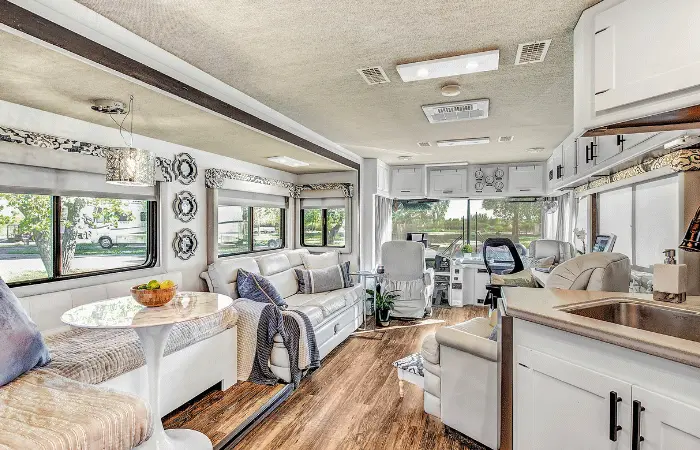
RVs carry stories. Over time, those stories show up in worn flooring, dated interiors, and systems that do not work quite like they used to. For many owners, renovation or repair is not just about fixing problems, it is about reshaping the experience of life on the road. What once felt outdated or limiting can become comfortable and functional again with the right approach.
Some people take on small upgrades, like replacing fixtures or repainting cabinets. Others go further, transforming older units into something that feels completely new. Whether the goal is comfort, resale value, or long term travel, renovations offer a chance to align the RV with how it is actually used.
Why More Owners Are Choosing to Renovate Instead of Replace
Buying a brand new RV can be appealing, but it is not always the most practical choice. Costs can be high, and newer models do not always match the build quality or layout preferences of older ones. Renovation allows owners to keep what works while improving what does not.
There is also a growing appreciation for customization. Instead of adapting to a factory design, owners can create a space that reflects their needs. This shift has made renovations more popular, especially among those who spend extended time traveling or living in their RV.
Balancing Cost and Long Term Value
Renovations often come down to financial decisions. While there is an upfront cost, it can be more manageable than purchasing a new unit. Strategic upgrades can also extend the lifespan of the RV, making it a more sustainable investment.
It is important to focus on improvements that add real value. This might include updating essential systems or improving structural components rather than focusing only on cosmetic changes. A balanced approach helps ensure that money is spent wisely.
Creating a Space That Feels Personal
One of the biggest advantages of renovation is the ability to personalize the space. RV interiors are often designed for broad appeal, which can leave them feeling generic. Renovation allows owners to make choices that better match their style and habits.
This might involve changing layouts, adding storage, or upgrading materials. These adjustments can make daily life more comfortable and enjoyable. Over time, the RV begins to feel less like a temporary space and more like a home.
Understanding the Difference Between Repairs and Renovations
Repairs and renovations are often mentioned together, but they serve different purposes. Repairs focus on restoring function, while renovations aim to improve or update the space. Both are important, and they often overlap in practice.
Knowing when to repair and when to renovate can help guide decisions. It also helps prioritize projects based on urgency and long term goals.
When Repairs Should Come First
Repairs are essential for maintaining safety and usability. Issues like leaks, electrical problems, or damaged components should be addressed before any cosmetic work begins. Ignoring these problems can lead to more serious damage over time.
Taking care of repairs first creates a solid foundation for future upgrades. It ensures that the RV is safe and reliable, which is especially important for those who travel frequently.
Renovations That Go Beyond the Basics
Once repairs are handled, renovations can take the space to the next level. This might include updating finishes, improving layouts, or adding modern features. These changes enhance both comfort and appearance.
Renovations also allow owners to adapt the RV to new uses. For example, someone working remotely might add a dedicated workspace. These kinds of updates make the RV more versatile.
Popular Upgrades That Make a Real Difference
Not all upgrades have the same impact. Some changes improve daily comfort in noticeable ways, while others mainly affect appearance. Understanding which upgrades offer the most value can help guide renovation plans.
Focusing on high impact areas often leads to better results. These upgrades tend to enhance both functionality and overall experience.
Kitchen and Living Area Improvements
The kitchen and living areas are often the most used spaces in an RV. Upgrading these areas can significantly improve day to day life. Simple changes like new countertops, updated appliances, or improved lighting can make a big difference.
Open layouts and better storage solutions can also enhance usability. These adjustments help create a more comfortable and efficient space, especially for longer trips.
Bathroom and Utility Upgrades
Bathrooms in RVs are typically compact, which makes efficient design even more important. Upgrades might include better fixtures, improved ventilation, or more durable materials. These changes can make the space feel more functional and less cramped.
Utility systems also play a key role. Improving plumbing, electrical systems, or water storage can enhance reliability. These upgrades are not always visible, but they have a lasting impact.
Working With Professionals Versus DIY Projects
One of the biggest decisions in any renovation is whether to handle the work yourself or hire professionals. Both options have their advantages, and the right choice depends on the scope of the project and your level of experience.
Some tasks are well suited for DIY efforts, while others require specialized knowledge. Understanding these differences helps avoid costly mistakes.
When DIY Makes Sense
DIY projects can be rewarding and cost effective. Tasks like painting, replacing hardware, or installing simple fixtures are often manageable for most owners. These projects also provide a sense of accomplishment.
However, it is important to be realistic about your skills and time. Taking on too much can lead to unfinished work or subpar results. Starting with smaller projects can help build confidence.
The Value of Professional Expertise
For more complex renovations, professional services are often the better choice. Structural changes, electrical work, and major repairs require expertise and proper tools. Hiring professionals can save time and reduce risk.
For example, those exploring RV renovations in Texas often turn to experienced service providers who understand the specific demands of larger projects. Professional support ensures that work is done correctly and meets safety standards.
Planning a Renovation Without Feeling Overwhelmed
Renovations can feel like a big undertaking, especially when there are multiple areas to address. Breaking the process into manageable steps can make it more approachable. A clear plan helps keep things on track.
Planning also helps avoid unexpected challenges. It allows you to anticipate costs, timelines, and potential obstacles before they arise.
Setting Clear Priorities
Start by identifying what matters most. This might include essential repairs, comfort improvements, or aesthetic changes. Prioritizing these elements helps guide the order of work.
Focusing on one area at a time can make the process feel less overwhelming. It also allows you to see progress more clearly, which can be motivating.
Budgeting and Timeline Considerations
Budgeting is a key part of any renovation. It is important to account for both expected costs and potential surprises. Setting aside a contingency fund can help manage unexpected expenses.
Timelines are just as important. Some projects may take longer than anticipated, especially if materials or services are delayed. Being flexible helps reduce stress during the process.
Keeping Your RV in Good Condition After Upgrades
Once renovations are complete, maintaining the RV becomes the next priority. Regular upkeep helps protect the work you have done and ensures that the vehicle remains in good condition.
Maintenance does not have to be complicated, but it does require consistency. Small efforts can prevent larger issues down the line.
Routine Maintenance Habits
Developing simple habits can make a big difference. This includes checking for leaks, cleaning surfaces, and inspecting systems regularly. These tasks help catch problems early.
Routine maintenance also helps preserve the quality of upgrades. It ensures that new materials and systems continue to perform well over time.
Adapting to Changing Needs
Over time, your needs may change. What worked during one phase of travel might not be ideal later on. Being open to adjustments allows the RV to evolve with you.
This might involve small updates or additional upgrades. Keeping the space flexible helps ensure that it continues to meet your needs.
A Fresh Start Without Starting Over
RV renovations and repairs offer a unique opportunity. Instead of starting from scratch, you can build on what you already have. This approach combines practicality with creativity, allowing you to shape the space in a way that works for you.
For many owners, the process becomes part of the journey itself. Each improvement adds to the experience, making the RV more comfortable and more personal. Over time, it becomes more than just a vehicle, it becomes a space that reflects how you live and travel.
