
Why Power Transmission Matters More Than Most People Realize
Walk through any manufacturing floor or distribution center and you will notice a constant hum of motion. Conveyors carry products, machines cycle through repetitive tasks, and entire systems operate in sync without much attention from the outside world. At the center of all this activity is power transmission, the process of transferring energy from one component to another to keep things moving.
It is easy to take these systems for granted because they are designed to work quietly and reliably. When everything runs smoothly, there is little reason to think about what is happening behind the scenes. But the moment something fails, production slows or stops entirely, which can have a ripple effect across operations.
Power transmission equipment comes in many forms, including belts, gears, couplings, and chains. Each type serves a purpose, depending on the application and environment. Among these, chain-driven systems stand out for their durability and ability to handle demanding conditions.
Where Chain Systems Fit Into Modern Industry
Chain systems are widely used in industries that require strength, consistency, and precise motion control. You will find them in manufacturing plants, agricultural equipment, food processing lines, and even packaging facilities. Their versatility makes them a reliable choice for both heavy-duty and repetitive tasks.
One reason for their popularity is their ability to operate in environments where other systems might struggle. Heat, dust, moisture, and heavy loads can all impact performance, but well-designed chain systems are built to withstand these challenges. This resilience helps reduce downtime and maintain productivity.
Breaking Down the Core Components
At the heart of any chain-driven system are the parts that make movement possible. These systems rely on a combination of interconnected elements that work together to transfer power efficiently. While the overall setup may vary, the basic principles remain consistent.
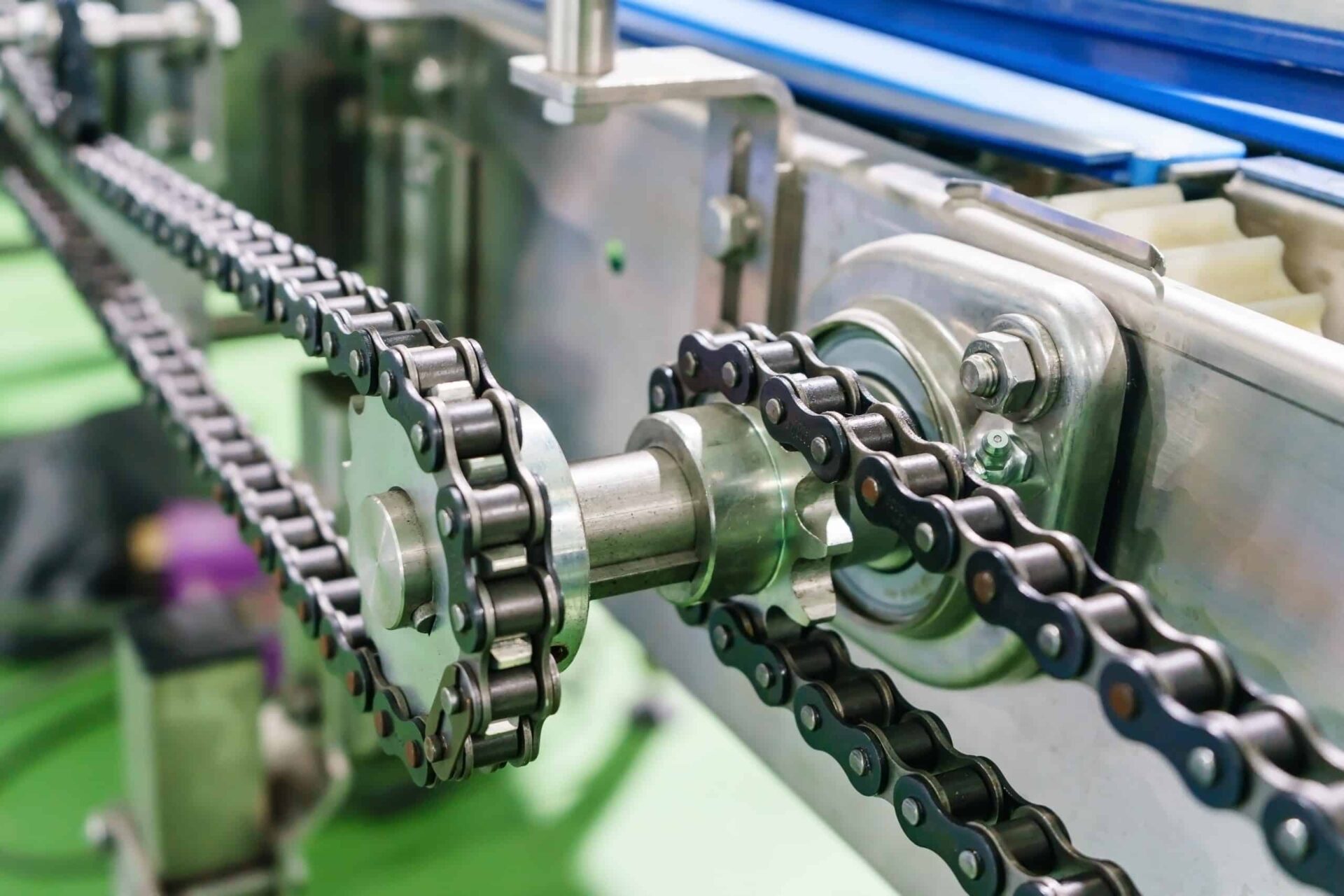
Chains act as the link between moving parts, transmitting force from one point to another. Sprockets guide and engage the chain, ensuring smooth and controlled motion. Supporting components such as shafts, bearings, and tensioners help maintain alignment and stability throughout operation.
Understanding how these elements interact is key to appreciating their role in industrial settings. Each component must be designed and maintained properly to ensure long-term performance. Even small issues can lead to wear, inefficiency, or failure if left unaddressed.
How Sprockets and Chains Work Together
The relationship between sprockets and chains is what makes these systems effective. As the sprocket rotates, its teeth engage with the links of the chain, pulling it along in a controlled motion. This interaction allows power to be transferred with minimal slippage, which is a major advantage over some other systems.
This setup also provides consistent speed and torque, which is essential for many industrial applications. Whether moving materials along a conveyor or driving a piece of machinery, the system must deliver predictable performance. That reliability is one of the reasons chain drives are so widely used.
Types of Chains Used in Industrial Applications
Not all chains are created equal, and different applications require different designs. Selecting the right type of chain is essential for achieving the desired performance and longevity. Factors such as load, speed, and environment all play a role in this decision.
Roller chains are among the most common types used in industrial settings. They are known for their efficiency and ability to handle a wide range of loads. Their design includes rollers that reduce friction, which helps extend the life of both the chain and the sprocket.
Another option is the engineering steel chain, which is built for more demanding conditions. These chains are often used in heavy industries where strength and durability are critical. Their robust construction allows them to withstand high loads and harsh environments.
Specialty Chains for Unique Applications
Some industries require specialized chains that go beyond standard designs. For example, conveyor chains may include attachments for carrying specific types of materials. These attachments can be customized to suit the needs of the application.
There are also chains designed for high-temperature environments or corrosive conditions. These often use materials or coatings that provide additional protection. Choosing the right chain for these situations can make a significant difference in performance and maintenance requirements.
Understanding Sprocket Design and Function
Sprockets may look simple at first glance, but their design plays a crucial role in system performance. The size, number of teeth, and material all influence how the sprocket interacts with the chain. Even small variations can affect efficiency and wear patterns.
One important factor is the pitch, which must match the chain precisely. A mismatch can lead to poor engagement and increased wear. Proper alignment is also essential, as misaligned sprockets can cause uneven stress on the chain.
Material selection is another key consideration. Sprockets are often made from steel, but different grades and treatments can be used to improve durability. In some cases, specialized coatings are applied to reduce friction and resist corrosion.
The Impact of Wear and Maintenance
Over time, both chains and sprockets experience wear due to constant use. This wear can lead to elongation of the chain and changes in the shape of the sprocket teeth. If not addressed, these issues can reduce efficiency and increase the risk of failure.
Regular inspection and maintenance are essential for keeping systems running smoothly. This includes checking for signs of wear, ensuring proper lubrication, and replacing components when necessary. A proactive approach can help prevent costly downtime.
Key Factors When Choosing Equipment
Selecting the right power transmission equipment involves more than just picking components that fit together. It requires a clear understanding of the application and the conditions in which the system will operate. Making the right choice upfront can save time and resources in the long run.
Load requirements are one of the first considerations. The system must be able to handle the forces involved without excessive strain. Speed is another factor, as higher speeds can increase wear and require more precise design.
Environmental conditions also play a significant role. Exposure to dust, moisture, or chemicals can impact performance and lifespan. Choosing materials and designs that can withstand these conditions is essential for reliable operation.
Balancing Performance and Cost
Cost is always a consideration, but it should not be the only factor. Lower-cost components may seem appealing at first, but they can lead to higher maintenance costs and shorter lifespans. Investing in quality equipment often provides better value over time.
It is also important to consider the total cost of ownership. This includes not just the initial purchase, but also maintenance, downtime, and replacement costs. A well-designed system can reduce these expenses and improve overall efficiency.
Innovations Shaping the Future of Chain Systems
While chain-driven systems have been around for a long time, they continue to evolve. Advances in materials and manufacturing processes are helping improve performance and durability. These innovations are making chain systems more efficient and reliable than ever before.
One area of development is the use of advanced coatings and treatments. These can reduce friction, resist corrosion, and extend the life of components. Improved lubrication methods are also helping reduce wear and maintenance requirements.
Digital monitoring is another trend that is gaining traction. Sensors can be used to track performance and detect issues before they become serious problems. This allows for more proactive maintenance and helps minimize downtime.
Moving Toward Smarter Maintenance Practices
The shift toward data-driven maintenance is changing how industrial systems are managed. Instead of relying solely on scheduled inspections, companies can use real-time data to make informed decisions. This approach helps improve efficiency and reduce unexpected failures.
Predictive maintenance is becoming more common as technology advances. By analyzing data from sensors, it is possible to identify patterns and anticipate issues. This allows maintenance teams to address problems before they impact operations.
Why These Components Continue to Be Essential
Despite the availability of alternative systems, chain-driven power transmission remains a key part of many industries. Its combination of strength, reliability, and versatility makes it a practical choice for a wide range of applications. While other systems may offer certain advantages, chain drives continue to hold their ground.
The simplicity of these systems is part of their appeal. They are relatively easy to understand, maintain, and repair. This makes them accessible to a wide range of industries and applications.
In many ways, these systems represent a balance between tradition and innovation. They have been refined over time, incorporating new materials and technologies while maintaining their core principles. That balance is what keeps them relevant in modern industry.
A Closer Look at Everyday Reliability
It is easy to overlook the role these components play in daily operations. When systems are running smoothly, they fade into the background. But their impact is significant, supporting everything from production lines to transportation systems.
Understanding the importance of sprockets and chain components helps highlight the value of proper design and maintenance. These systems may not always be visible, but they are essential to keeping industries moving forward.
