
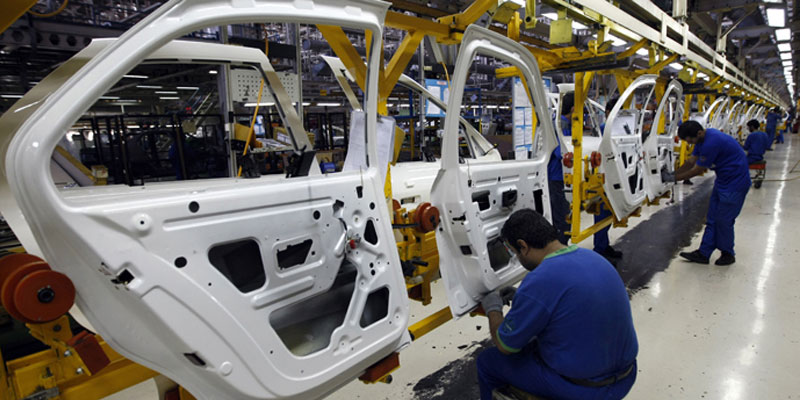
Introduction: More Than Just Machines
The word auto might summon visions of speed, freedom, or the mechanical marvels that ferry us from place to place. Yet, the modern automobile is far more than steel, rubber, and horsepower. It is a reflection of our societies, an evolving canvas of technological progress, environmental consciousness, and shifting cultural attitudes. Today, the auto industry stands at a crossroads—where tradition and innovation collide to redefine mobility itself.
A Legacy Built on Wheels
Since Karl Benz’s gasoline-powered Motorwagen in 1885, automobiles have transformed the human experience. From the Model T’s democratization of car ownership to the iconic muscle cars of the 1960s, the auto industry has not only shaped economies but inspired cultural moments. For decades, the car has symbolized independence and adventure—a tangible promise that one could go anywhere, anytime.
Yet for all its romance, the legacy auto industry has been equally marred by excess. Fuel inefficiency, urban congestion, and greenhouse gas emissions have become inseparable from the narrative. As climate concerns intensify, the industry must confront its past while navigating an uncertain future.
Electrification: A Quiet Revolution
One cannot discuss the modern auto landscape without acknowledging the electric vehicle (EV) revolution. Tesla may be the poster child of this new era, but nearly every major automaker now has electric ambitions.
Why EVs Matter:
-
Environmental Impact: Reduced tailpipe emissions promise cleaner air and a lower carbon footprint.
-
Innovation Driver: Battery technology, autonomous systems, and smart grids are reshaping how we think about transport.
-
Consumer Demand: Younger generations increasingly prioritize sustainability, nudging companies toward greener solutions.
Yet the road to electrification is not without speed bumps. Charging infrastructure remains unevenly distributed, battery disposal raises ethical questions, and raw material mining brings new environmental concerns. Still, momentum continues to build. Some nations have even announced ambitious bans on internal combustion engines within the next two decades.
Autonomous Vehicles: A Future Less Driven
If electrification is reshaping what powers our cars, autonomy is redefining how we use them. Self-driving technology, once a sci-fi dream, is steadily approaching reality. Companies like Waymo, Cruise, and traditional automakers are investing billions to perfect driverless systems.
Potential Benefits of Autonomy:
-
Safety: Human error accounts for over 90% of traffic accidents. Automation could dramatically reduce fatalities.
-
Efficiency: Smart routing and car-sharing could ease congestion in sprawling cities.
-
Accessibility: Elderly and disabled individuals may gain newfound independence.
However, with great promise comes deep ethical and logistical quandaries. Who bears responsibility when an autonomous car causes harm? How do we protect systems from cyber threats? What becomes of millions of professional drivers whose livelihoods depend on steering wheels and gear shifts?
Connectivity and the Smart Car Ecosystem
Today’s vehicles are no longer isolated machines; they are nodes in a vast digital network. Modern autos come equipped with software that constantly communicates—whether it’s navigation, diagnostics, or entertainment. The advent of 5G and the Internet of Things (IoT) has turned cars into rolling computers.
Key Aspects of Connected Cars:
-
Predictive Maintenance: Real-time diagnostics alert owners to problems before they escalate.
-
Personalized Experience: From streaming services to AI-powered voice assistants, cars increasingly feel like extensions of our homes.
-
Smart Cities: Integration with traffic systems could streamline urban mobility, reducing gridlock and pollution.
Yet, the rise of connected vehicles brings the pressing issue of data privacy. Automakers must safeguard sensitive information against misuse while balancing the desire for personalization.
Design Philosophy: Form, Function, and Sustainability
Aesthetics have always played a crucial role in automotive appeal. But modern design must now juggle form, aerodynamics, safety, and sustainability. Lightweight materials like carbon fiber and aluminum reduce energy consumption, while interiors increasingly feature recycled or vegan alternatives.
Consumers, too, demand more than sleek curves and plush leather. They crave vehicles that align with their values—be it environmental stewardship or ethical manufacturing.
Challenges on the Road Ahead
The auto industry’s transformation is monumental, but so are its challenges:
-
Supply Chain Volatility: Global events, from pandemics to geopolitical tensions, expose fragile supply lines—especially for semiconductors and rare earth minerals.
-
Urbanization: With cities growing denser, some predict that car ownership may decline in favor of shared mobility and public transport.
-
Regulation: Governments worldwide are tightening emissions standards and incentivizing cleaner technologies. Automakers must adapt or risk obsolescence.
Consumer Choices: The Driver of Change
Ultimately, the future of the auto industry lies not just in boardrooms or laboratories but in driveways and parking lots. Consumers wield immense power in shaping trends. A willingness to adopt EVs, embrace ride-sharing, or pay a premium for ethical production can tilt the scales dramatically.
Practical Steps for Consumers:
-
Research: Understand the total environmental impact of your vehicle, from manufacturing to disposal.
-
Drive Less, Drive Smart: Opt for carpooling or public transport when practical.
-
Support Innovation: Choose manufacturers who prioritize sustainability and ethical labor practices.
Conclusion: The Journey Continues
The modern automobile is no longer just a vehicle—it is a testament to humanity’s relentless pursuit of progress. From gas-guzzling engines roaring down open highways to silent electric motors gliding through smart cities, the story of the auto industry is a mirror reflecting our ambitions, missteps, and hopes for a better tomorrow.
As we navigate this winding road, one thing remains clear: the future of auto will be defined not solely by engineers and executives but by everyday people who decide how, when, and why they drive. In this grand journey, each of us holds the k
