
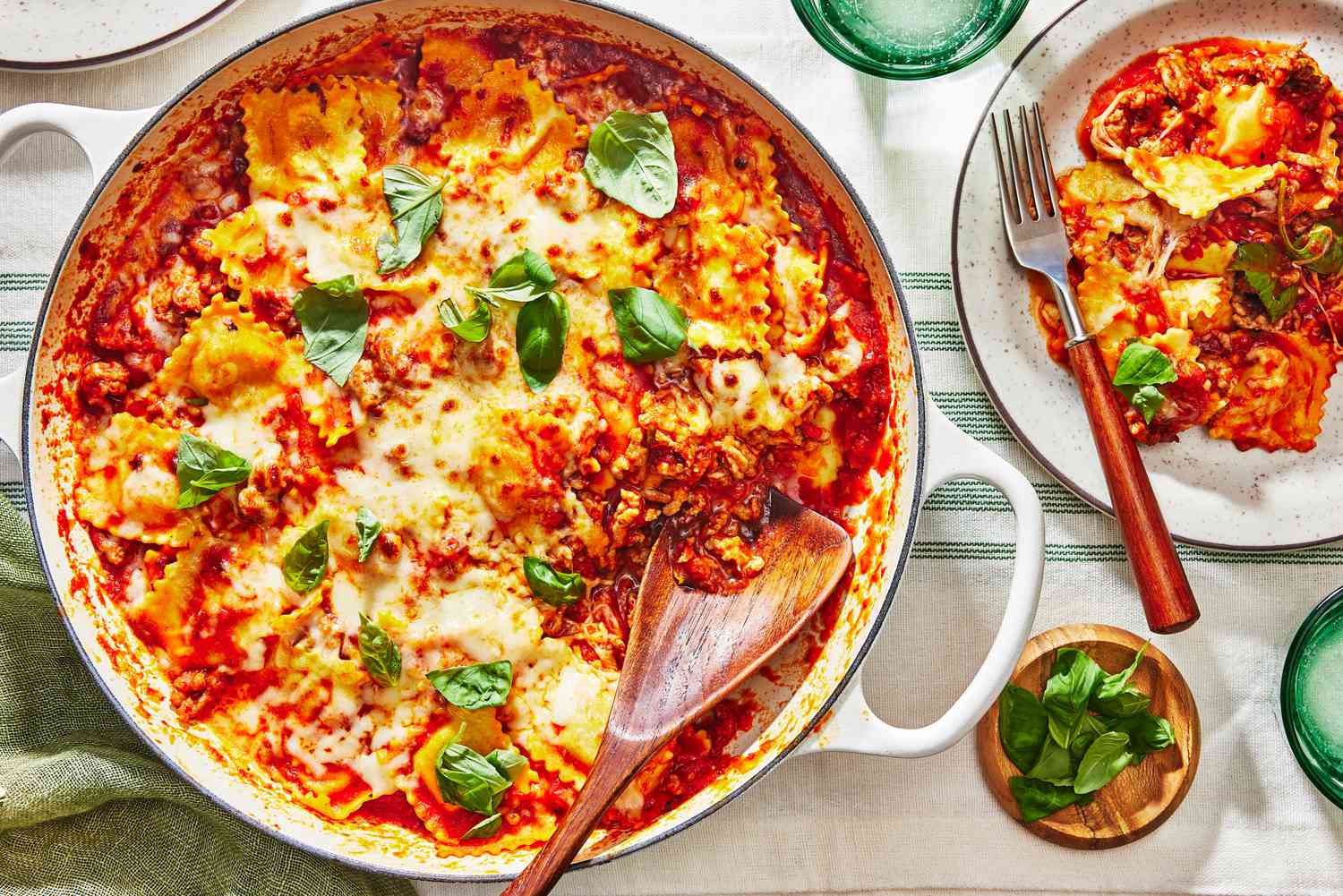
Food holds the unique power to transport us back in time. The distinct aroma of cinnamon rolls on a Sunday morning or the savory scent of a slow-simmered stew can instantly evoke memories of childhood kitchens, beloved grandparents, and holiday gatherings. Over the years, these culinary traditions often live on scraps of paper, stained index cards, or memory alone. Compiling these dishes into a signature family recipe book preserves your culinary heritage and creates a cherished heirloom that can be passed down through generations.
Creating a family cookbook is much more than simply writing down ingredient lists and cooking instructions. It is an act of storytelling that captures the essence of your family history, cultural background, and shared moments around the dinner table. Whether you want to preserve secret baking techniques or organize your own weeknight favorites for future descendants, embarking on this project is both rewarding and deeply sentimental. Here is a step-by-step guide on how to gather, organize, and craft your own timeless family recipe book.
1. Gather and Vetting the Recipes
The first and most important phase of creating your book is collecting the recipes. Begin by searching through old recipe boxes, kitchen drawers, photo albums, and digital notes. Reach out to extended family members, aunts, uncles, and older relatives to request their signature dishes. You might be surprised to discover that a beloved side dish has subtle variations depending on who is making it.
-
Conduct Kitchen Interviews: Sit down with older family members to record how they prepare their signature meals. Many traditional cooks do not use exact measurements, relying instead on sight, smell, and intuition.
-
Test and Standardize: Take the time to cook and bake the collected dishes in your own kitchen. Measure the pinches of salt and dashes of spice so you can write clear, repeatable instructions for future cooks.
-
Document the Origins: Note who contributed each recipe and roughly when it entered the family rotation to add historical context.
2. Choose Your Format and Medium
Once you have gathered your collection, you need to decide how the physical book will look and feel. The right medium depends on your aesthetic preferences, budget, and how much hands-on crafting you want to do. Each format offers distinct advantages for durability and presentation.
-
Custom Printed Photobooks: Utilizing online publishing platforms allows you to type out text cleanly, upload photos, and select professional bindings that withstand decades of kitchen use.
-
Handwritten Binders and Notebooks: A classic three-ring binder or leather-bound journal provides a rustic charm and makes it easy to slip in new recipe cards or update notes over time.
-
Digital Archives: Maintaining a cloud-based document or private website alongside a physical book ensures that you always have a secure backup copy in case of kitchen accidents.
3. Establish a Logical Organization Structure
A cookbook should be intuitive to navigate. If a reader has to flip back and forth randomly to find a dressing for a salad, the book loses its practical value. Grouping your recipes into standard culinary categories creates a clean flow and makes cooking from the book a pleasure.
-
Standard Categories: Divide your contents into traditional sections such as breakfasts, appetizers, soups and salads, main courses, side dishes, desserts, and beverages.
-
Holiday Chapters: Dedicate a specific section to seasonal and holiday traditions, such as Thanksgiving stuffing, Christmas cookies, or celebratory birthday cakes.
-
Index and Glossary: Include an alphabetical index at the back of the book, along with a measurement conversion chart for cooking terms and temperatures.
4. Infuse Personal Stories and Family Lore
A standard cookbook can be bought at any bookstore, but a family recipe book is entirely one-of-a-kind because of the stories behind the food. Elevate your collection from a simple instruction manual into a rich narrative by incorporating personal anecdotes alongside the ingredients.
-
Anecdotes and Memories: Add short paragraphs detailing why a certain dish matters, such as the story of how your grandfather burnt the turkey the year the power went out.
-
Scans of Original Handwriting: Include high-resolution photographs or scans of original recipe cards written in the handwriting of deceased relatives to preserve a visual piece of them.
-
Family Photographs: Integrate vintage pictures of family dinners, holiday celebrations, and messy kitchen moments to visually anchor the recipes in real life.
5. Design, Layout, and Final Production
The visual presentation of your book dictates how easy it is to read while standing at a kitchen counter with flour-dusted hands. Focus on clean typography, clear spacing, and durable materials that can handle minor spills and heat.
-
Legible Typography: Choose clean, easy-to-read fonts for the ingredient lists and instructions rather than overly complex cursive scripts that strain the eyes.
-
Page Layout: Keep each recipe contained to a single page or a clean two-page spread to avoid forcing the cook to flip pages mid-recipe with messy hands.
-
Protective Finishes: If printing physically, opt for laminated pages or place the book inside a protective acrylic stand or clear sleeve while cooking.
Frequently Asked Questions
What should I do if a family member refuses to share a secret recipe?
Culinary secrecy is common in many families. Approach the conversation with curiosity and respect rather than demanding the recipe. Emphasize that the goal is simply to preserve the family heritage so the dish is never lost, and offer to credit them prominently in the book as the sole master of that specific recipe.
How many recipes should I aim to include in a family cookbook?
A well-curated family cookbook typically features between fifty and one hundred core recipes. This number is large enough to cover a wide variety of meals and traditions while remaining manageable to compile, test, and design without becoming overwhelming.
Can I include international or modern recipes in a traditional family cookbook?
A family recipe book should reflect your actual family history and eating habits. If your household frequently cooks modern fusion dishes or international cuisine that you have adopted as modern traditions, include them alongside older heritage recipes to represent your unique family story.
How do I handle recipes that rely entirely on intuition and guesswork?
When dealing with subjective measurements like a handful of flour or enough broth, test the recipe yourself while carefully measuring the ingredients using standard kitchen tools. Write down your measured results, but feel free to add a note in the text acknowledging the traditional intuition behind the dish.
What is the best way to preserve fragile, decades-old recipe cards?
Instead of handling fragile original paper cards repeatedly in the kitchen, scan or photograph them immediately at high resolution. Store the delicate originals safely in acid-free archival sleeves inside a dark storage box, and use the digital scans or transcribed text in your actual working cookbook.
How can I involve younger generations in creating the recipe book?
Get children and teenagers involved by having them interview older relatives, take photographs of finished dishes, or help test and taste-test the recipes in the kitchen. Their modern digital skills can also be leveraged to help type out text or format the digital layout of the book.
Should I print multiple copies of the finished book as gifts?
Printing multiple copies is highly recommended. A completed family recipe book makes a magnificent holiday, wedding, or milestone birthday gift for children, siblings, and extended family members who will deeply appreciate having a physical piece of their shared heritage.
