
Choosing the right flooring for your home is one of the most critical decisions you will make during a renovation or build. Flooring sets the visual tone for every room, impacts daily comfort, and represents a significant financial investment. Among the most popular choices on the market, tile and hardwood stand out as timeless contenders. Both options offer exceptional beauty and longevity, but they serve very different functional needs, aesthetic goals, and lifestyle requirements.
Evaluating tile against hardwood requires looking beyond initial impressions to examine durability, maintenance, installation costs, and room-by-room suitability. This comprehensive guide breaks down the core differences between these two flooring materials to help you make the best choice for your living space.
Understanding Hardwood Flooring
Hardwood flooring remains the gold standard for traditional elegance and long-term home value. Crafted from solid lumber or engineered wood layers, hardwood brings the organic warmth and unique grain patterns of nature directly into your living areas.
Solid hardwood consists of thick planks milled from a single piece of timber. It can be sanded and refinished multiple times over its lifespan, making it a generational investment. Engineered hardwood features a real wood veneer on top of a multi-ply core, providing greater stability against moisture and temperature fluctuations.
Key Advantages of Hardwood
-
Timeless Appeal: Hardwood never goes out of style. Its natural character and classic look seamlessly complement traditional, transitional, and modern interior designs.
-
Underfoot Comfort: Wood is softer and warmer than tile. It absorbs impact better, making it more comfortable for standing or walking barefoot for extended periods.
-
Property Value: Homes featuring hardwood floors consistently command higher resale values and attract buyers much faster on the real estate market.
-
Refinishing Potential: Instead of replacing worn flooring, solid hardwood can be sanded down and stained a brand-new color every few decades.
Potential Drawbacks of Hardwood
-
Moisture Sensitivity: Standing water, pet accidents, and high humidity can warp, cup, or stain wood planks if not cleaned up immediately.
-
Scratch and Dent Vulnerability: Heavy furniture legs, high heels, and claws from large pets can scratch or dent softer wood species like pine or walnut.
-
Acoustic Properties: Hardwood can amplify sound, leading to echoes in large, open-concept rooms unless balanced with rugs and upholstered furniture.
Understanding Tile Flooring
Tile flooring, encompassing ceramic, porcelain, and natural stone variants, is celebrated for its industrial strength, design versatility, and waterproof capabilities. Porcelain tile, in particular, is manufactured from dense clay fired at extremely high temperatures, resulting in a non-porous surface that resists heavy foot traffic and moisture with ease.
Tile can mimic almost any material through advanced digital printing technologies, including the look of hardwood, concrete, or marble, while retaining its unique structural benefits.
Key Advantages of Tile
-
Exceptional Durability: Tile is virtually impervious to scratches, stains, and heavy impacts. It will not dent under heavy kitchen appliances or scratch under dog claws.
-
Waterproof Nature: Tile does not absorb water, making it the undisputed king of wet areas like bathrooms, laundry rooms, and basements.
-
Easy Maintenance: Routine sweeping and occasional damp mopping with mild cleaner keep tile looking pristine without requiring specialized polishing or sealing.
-
Temperature Regulation: Tile naturally stays cool to the touch, providing a refreshing relief in hot climates during the summer months.
Potential Drawbacks of Tile
-
Hard and Cold Surface: The rigid density of tile means it offers zero give underfoot. Standing on tile for hours can cause joint fatigue, and the surface can feel freezing cold during winter months.
-
Grout Maintenance: While the tile itself is easy to clean, porous grout lines can trap dirt, grease, and mildew over time, requiring periodic scrubbing and sealing.
-
Difficult Installation: Laying tile requires specialized wet saws, precise leveling, and expert mortar application, making it a challenging project for most casual do-it-yourselfers.
Room-by-Room Comparison
Different rooms demand different performance characteristics from flooring materials. Analyzing how tile and hardwood perform across specific areas of the house clarifies your decision.
Kitchens
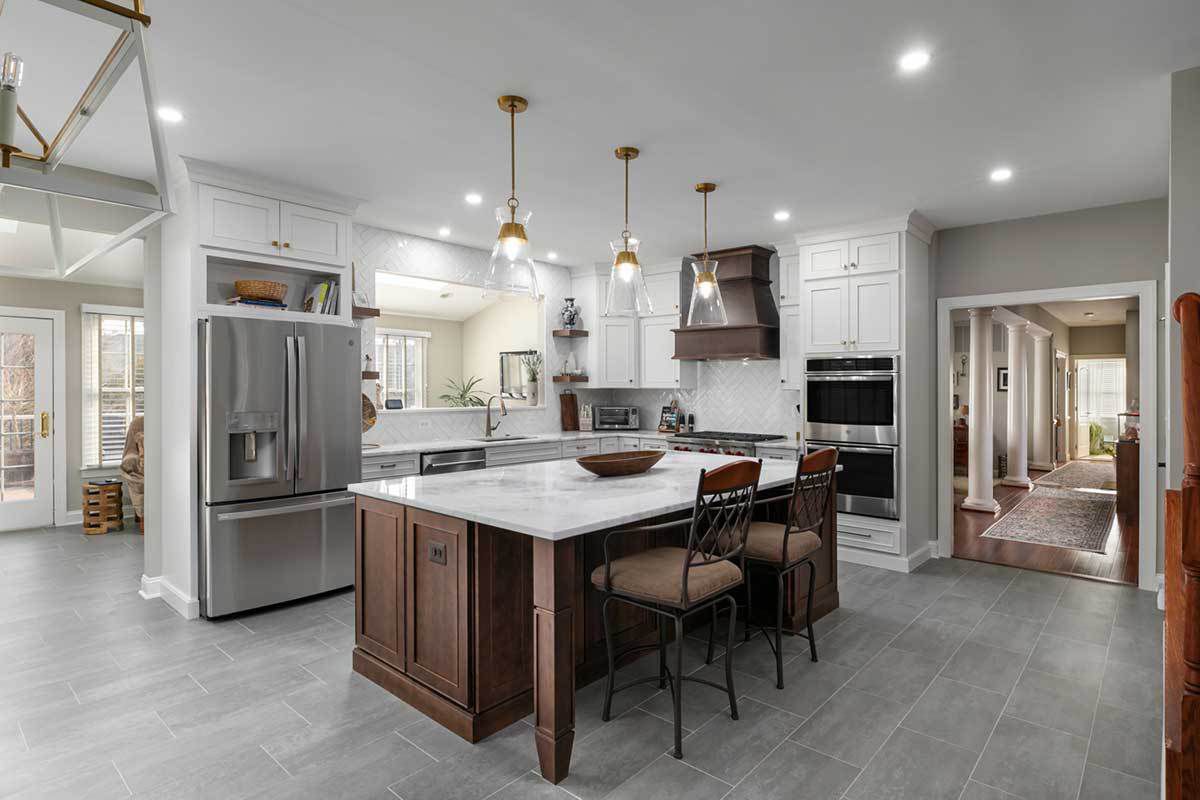
The kitchen is the high-traffic heart of the home, prone to dropped dishes, spilled liquids, and heavy foot traffic. Tile wins this space for its waterproof qualities and resistance to dropped pots. However, hardwood remains popular for those who prefer a seamless visual flow from an open-concept living room into the kitchen, provided spills are wiped up promptly.
Bathrooms and Laundry Rooms
Tile is the definitive winner for full bathrooms, powder rooms, and laundry facilities. The constant presence of moisture, steam, and standing water makes traditional hardwood a risky liability in these wet zones, even with engineered options.
Living Rooms and Bedrooms
Hardwood dominates living areas and bedrooms. These spaces benefit immensely from the warmth, acoustic dampening, and cozy underfoot feel that wood provides. Area rugs can be placed over hardwood to add softness without sacrificing the visible charm of the grain.
Cost and Longevity Analysis
Budget plays a massive role in flooring selection. When comparing costs, look at both the upfront material and installation expenses and the long-term value over time.
Hardwood typically commands a higher upfront cost for materials and professional installation, especially for exotic wood species or intricate patterns like herringbone. However, because it can be refinished rather than replaced, its lifetime cost balances out over decades of ownership.
Tile pricing varies wildly. Standard ceramic tiles are budget-friendly, while custom-designed porcelain or natural marble tiles can exceed the cost of premium hardwood. Installation labor for tile is also labor-intensive, which drives up initial project quotes. Once installed properly, tile requires virtually no major maintenance expenses over its lifetime.
Frequently Asked Questions
Can radiant floor heating be used with both tile and hardwood?
Yes, radiant heating systems work exceptionally well with both materials. Tile is actually the most efficient conductor of radiant heat because it transfers warmth quickly and retains it longer. Engineered hardwood is also compatible with radiant heating, though solid hardwood requires careful temperature regulation to prevent warping from sudden heat shifts.
Which flooring option is better for households with pets?
Tile is generally superior for pets due to its scratch resistance and waterproof surface. Claws will not mark porcelain tile, and pet accidents will not seep into the subfloor. If you prefer hardwood with pets, opt for harder domestic species like red oak, hickory, or maple with a matte, distressed finish that hides minor wear.
How do installation timelines compare between tile and hardwood?
Tile installation generally takes longer than hardwood installation. Laying tile requires multiple phases, including setting the backer board, laying the mortar and tiles, allowing the adhesive to cure fully, and applying grout, which can stretch a project over several days. Hardwood can often be installed and walked on much faster, particularly with click-lock engineered planks.
Does tile flooring crack easily under heavy furniture?
High-quality porcelain or stone tile is extremely strong and will not crack under heavy furniture or appliances under normal conditions. Cracking usually only occurs if there are voids in the mortar bed underneath the tile, if the subfloor flexes significantly, or if a very heavy object is dropped directly onto a corner edge.
How does sunlight exposure affect tile and hardwood over time?
Intense ultraviolet sunlight streaming through large windows can cause certain hardwood species to fade, darken, or discolor over time, though applying UV-blocking window films helps mitigate this. Tile is completely UV-resistant and will maintain its original color indefinitely, even when exposed to direct, glaring sunlight for years.
Is it possible to transition smoothly between tile and hardwood in an open floor plan?
Yes, creating a smooth transition between tile and hardwood is very common in modern open layouts, particularly where a kitchen meets a living room. Professional installers use matching T-moldings, slim metal transition strips, or precise flush-cut joints to bridge the two materials safely and aesthetically without creating a tripping hazard.
Choosing the right flooring for your home is one of the most critical decisions you will make during a renovation or build. Flooring sets the visual tone for every room, impacts daily comfort, and represents a significant financial investment. Among the most popular choices on the market, tile and hardwood stand out as timeless contenders. Both options offer exceptional beauty and longevity, but they serve very different functional needs, aesthetic goals, and lifestyle requirements.
Evaluating tile against hardwood requires looking beyond initial impressions to examine durability, maintenance, installation costs, and room-by-room suitability. This comprehensive guide breaks down the core differences between these two flooring materials to help you make the best choice for your living space.
Understanding Hardwood Flooring
Hardwood flooring remains the gold standard for traditional elegance and long-term home value. Crafted from solid lumber or engineered wood layers, hardwood brings the organic warmth and unique grain patterns of nature directly into your living areas.
Solid hardwood consists of thick planks milled from a single piece of timber. It can be sanded and refinished multiple times over its lifespan, making it a generational investment. Engineered hardwood features a real wood veneer on top of a multi-ply core, providing greater stability against moisture and temperature fluctuations.
Key Advantages of Hardwood
-
Timeless Appeal: Hardwood never goes out of style. Its natural character and classic look seamlessly complement traditional, transitional, and modern interior designs.
-
Underfoot Comfort: Wood is softer and warmer than tile. It absorbs impact better, making it more comfortable for standing or walking barefoot for extended periods.
-
Property Value: Homes featuring hardwood floors consistently command higher resale values and attract buyers much faster on the real estate market.
-
Refinishing Potential: Instead of replacing worn flooring, solid hardwood can be sanded down and stained a brand-new color every few decades.
Potential Drawbacks of Hardwood
-
Moisture Sensitivity: Standing water, pet accidents, and high humidity can warp, cup, or stain wood planks if not cleaned up immediately.
-
Scratch and Dent Vulnerability: Heavy furniture legs, high heels, and claws from large pets can scratch or dent softer wood species like pine or walnut.
-
Acoustic Properties: Hardwood can amplify sound, leading to echoes in large, open-concept rooms unless balanced with rugs and upholstered furniture.
Understanding Tile Flooring
Tile flooring, encompassing ceramic, porcelain, and natural stone variants, is celebrated for its industrial strength, design versatility, and waterproof capabilities. Porcelain tile, in particular, is manufactured from dense clay fired at extremely high temperatures, resulting in a non-porous surface that resists heavy foot traffic and moisture with ease.
Tile can mimic almost any material through advanced digital printing technologies, including the look of hardwood, concrete, or marble, while retaining its unique structural benefits.
Key Advantages of Tile
-
Exceptional Durability: Tile is virtually impervious to scratches, stains, and heavy impacts. It will not dent under heavy kitchen appliances or scratch under dog claws.
-
Waterproof Nature: Tile does not absorb water, making it the undisputed king of wet areas like bathrooms, laundry rooms, and basements.
-
Easy Maintenance: Routine sweeping and occasional damp mopping with mild cleaner keep tile looking pristine without requiring specialized polishing or sealing.
-
Temperature Regulation: Tile naturally stays cool to the touch, providing a refreshing relief in hot climates during the summer months.
Potential Drawbacks of Tile
-
Hard and Cold Surface: The rigid density of tile means it offers zero give underfoot. Standing on tile for hours can cause joint fatigue, and the surface can feel freezing cold during winter months.
-
Grout Maintenance: While the tile itself is easy to clean, porous grout lines can trap dirt, grease, and mildew over time, requiring periodic scrubbing and sealing.
-
Difficult Installation: Laying tile requires specialized wet saws, precise leveling, and expert mortar application, making it a challenging project for most casual do-it-yourselfers.
Room-by-Room Comparison
Different rooms demand different performance characteristics from flooring materials. Analyzing how tile and hardwood perform across specific areas of the house clarifies your decision.
Kitchens
The kitchen is the high-traffic heart of the home, prone to dropped dishes, spilled liquids, and heavy foot traffic. Tile wins this space for its waterproof qualities and resistance to dropped pots. However, hardwood remains popular for those who prefer a seamless visual flow from an open-concept living room into the kitchen, provided spills are wiped up promptly.
Bathrooms and Laundry Rooms
Tile is the definitive winner for full bathrooms, powder rooms, and laundry facilities. The constant presence of moisture, steam, and standing water makes traditional hardwood a risky liability in these wet zones, even with engineered options.
Living Rooms and Bedrooms
Hardwood dominates living areas and bedrooms. These spaces benefit immensely from the warmth, acoustic dampening, and cozy underfoot feel that wood provides. Area rugs can be placed over hardwood to add softness without sacrificing the visible charm of the grain.
Cost and Longevity Analysis
Budget plays a massive role in flooring selection. When comparing costs, look at both the upfront material and installation expenses and the long-term value over time.
Hardwood typically commands a higher upfront cost for materials and professional installation, especially for exotic wood species or intricate patterns like herringbone. However, because it can be refinished rather than replaced, its lifetime cost balances out over decades of ownership.
Tile pricing varies wildly. Standard ceramic tiles are budget-friendly, while custom-designed porcelain or natural marble tiles can exceed the cost of premium hardwood. Installation labor for tile is also labor-intensive, which drives up initial project quotes. Once installed properly, tile requires virtually no major maintenance expenses over its lifetime.
Frequently Asked Questions
Can radiant floor heating be used with both tile and hardwood?
Yes, radiant heating systems work exceptionally well with both materials. Tile is actually the most efficient conductor of radiant heat because it transfers warmth quickly and retains it longer. Engineered hardwood is also compatible with radiant heating, though solid hardwood requires careful temperature regulation to prevent warping from sudden heat shifts.
Which flooring option is better for households with pets?
Tile is generally superior for pets due to its scratch resistance and waterproof surface. Claws will not mark porcelain tile, and pet accidents will not seep into the subfloor. If you prefer hardwood with pets, opt for harder domestic species like red oak, hickory, or maple with a matte, distressed finish that hides minor wear.
How do installation timelines compare between tile and hardwood?
Tile installation generally takes longer than hardwood installation. Laying tile requires multiple phases, including setting the backer board, laying the mortar and tiles, allowing the adhesive to cure fully, and applying grout, which can stretch a project over several days. Hardwood can often be installed and walked on much faster, particularly with click-lock engineered planks.
Does tile flooring crack easily under heavy furniture?
High-quality porcelain or stone tile is extremely strong and will not crack under heavy furniture or appliances under normal conditions. Cracking usually only occurs if there are voids in the mortar bed underneath the tile, if the subfloor flexes significantly, or if a very heavy object is dropped directly onto a corner edge.
How does sunlight exposure affect tile and hardwood over time?
Intense ultraviolet sunlight streaming through large windows can cause certain hardwood species to fade, darken, or discolor over time, though applying UV-blocking window films helps mitigate this. Tile is completely UV-resistant and will maintain its original color indefinitely, even when exposed to direct, glaring sunlight for years.
Is it possible to transition smoothly between tile and hardwood in an open floor plan?
Yes, creating a smooth transition between tile and hardwood is very common in modern open layouts, particularly where a kitchen meets a living room. Professional installers use matching T-moldings, slim metal transition strips, or precise flush-cut joints to bridge the two materials safely and aesthetically without creating a tripping hazard.
