
Key Takeaways:
- Choosing the right cutting board enhances cooking experience, hygiene, and kitchen aesthetics.
- Material options include wood (gentle on knives, self-healing), plastic (easy to clean, dishwasher-safe), and bamboo (sustainable, durable).
- Size and thickness should cater to kitchen tasks; larger boards are ideal for meal prep, while thinner boards save space.
- Designs can enhance functionality, such as juice grooves and integrated storage for added utility.
- Mastering the use of a cutting board scraper can improve workspace cleanliness and hygiene.
- Avoid common scraping mistakes like applying too much pressure or neglecting to clean the scraper.
- Regular maintenance of scrapers extends lifespan and promotes hygiene.
- Cutting board scrapers can be used creatively beyond food prep, such as in DIY projects and cleaning tasks.
- Pairing scrapers with other kitchen tools maximizes efficiency during meal preparation.
- Investing in quality and specialty scrapers enhances the culinary experience and improves food preparation capabilities.
The Art of Choosing the Right Cutting Board
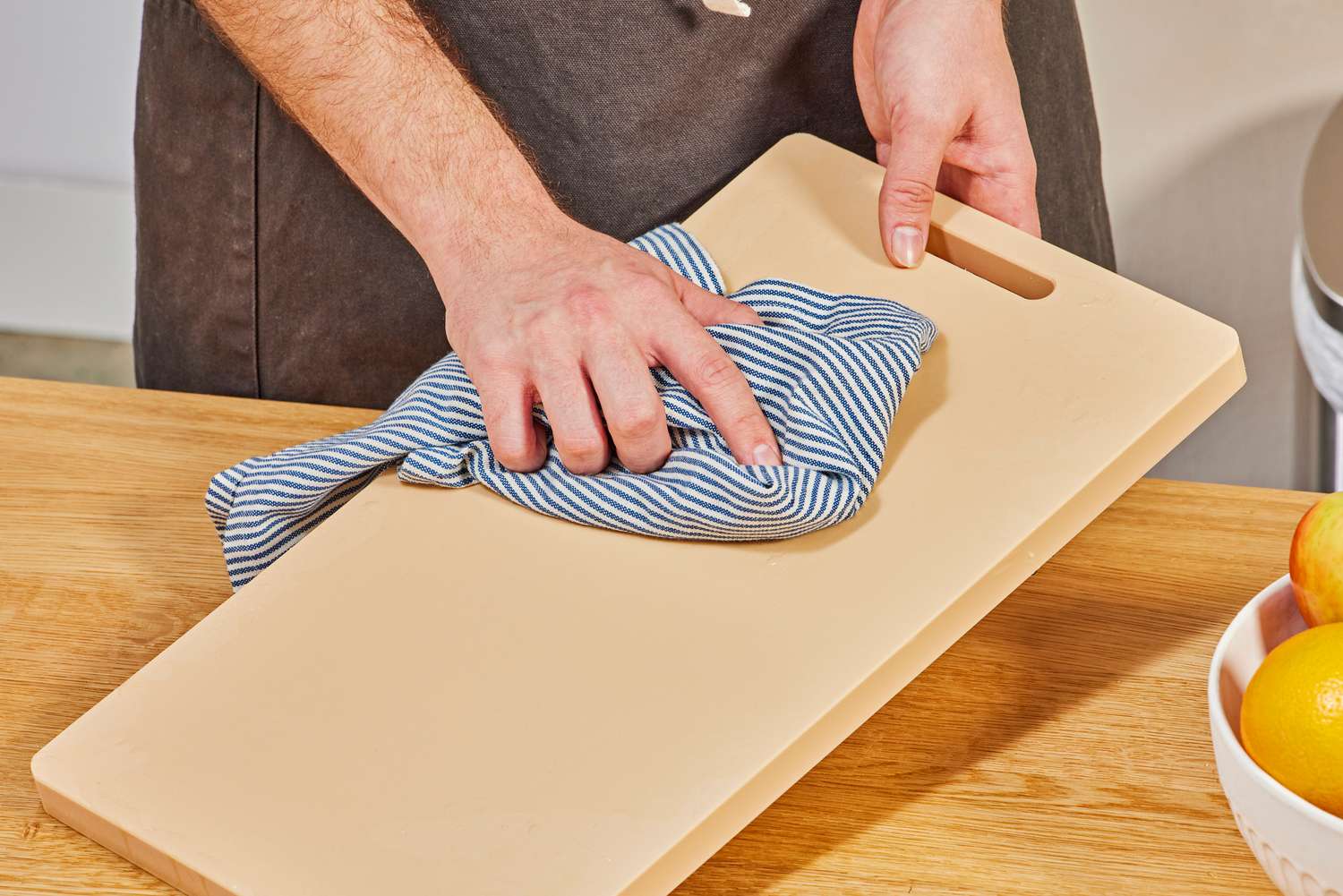
Choosing the right cutting board is crucial for both the cooking experience and the preservation of your kitchen tools and surfaces. A well-chosen cutting board can enhance the meal preparation process, elevate hygiene standards, and improve the overall aesthetic of your kitchen space. Here, we explore the pivotal factors in selecting an ideal cutting board that caters specifically to your culinary needs.
Material Matters: Wood vs. Plastic vs. Bamboo
When it comes to cutting boards, the material is one of the most significant factors to consider. Each type of material—wood, plastic, and bamboo—has its strengths and weaknesses, affecting durability, knife preservation, and hygiene.
Wooden cutting boards, often favored by professional chefs, are typically crafted from hardwoods like maple, walnut, or cherry. The natural fibers in wood are gentle on knives, helping to maintain their sharpness while also providing a self-healing capability that reduces knife marks and scratches over time. However, wooden boards require more maintenance; they need to be cleaned meticulously and oiled regularly to prevent warping and bacterial growth.
Plastic cutting boards, on the other hand, are known for their practicality and ease of cleaning. They are dishwasher-safe, which makes sanitizing them quickly and efficiently a breeze. Plastic boards are often less porous than wood, which can minimize bacteria buildup, particularly when using them for raw meats or other potentially hazardous foods. However, one downside is that they can be harsher on knives, leading to potential dullness over time.
Bamboo cutting boards fall into a unique category, showcasing an eco-friendly option that’s both lightweight and durable. Bamboo is a grass, which makes it more sustainable than traditional hardwoods. These boards are denser than many wooden boards, which helps in their durability. Nonetheless, they may still require proper maintenance to extend their lifespan. While each material has its benefits, the choice will ultimately depend on your cooking habits, maintenance willingness, and personal preferences.
Size and Thickness: Finding Your Perfect Fit
The size and thickness of the cutting board directly influence both functionality and ergonomics. A standard cutting board tends to measure around 18 x 12 inches, but a range of sizes exists to accommodate various kitchen tasks. For those who frequently engage in large meal prep, a board measuring at least 24 x 18 inches will provide ample surface area for cutting, chopping, and processing multiple ingredients simultaneously. When it comes to thickness, a 1.5-inch thickness is typically ideal for durability and sturdiness, preventing warping or bending over time. Thicker boards can double as serving platters, adding versatility to your kitchen. However, if space is limited, consider opting for a thinner board that is easier to store without compromising too much on functional space during cooking. Ultimately, choosing the right size and thickness should factor in not just the available kitchen space but also the typical volume and types of food that you prepare regularly.
Designs That Delight: Functional Aesthetics in the Kitchen
A cutting board serves two primary functions: practicality in food preparation and aesthetic enhancement in your kitchen. When selecting a cutting board, consider how its design complements your kitchen’s decor. Natural wood grains present a rustic charm, suitable for farmhouse-style kitchens, while sleek, minimalist plastic or bamboo options may appeal more to contemporary styles. Functionality can also be enhanced through innovative cutting board designs. Many modern boards include features such as juice grooves, which expertly catch liquids while cutting fruits and vegetables, preventing messes. Integrated storage compartments and collapsible edges provide further utility for small-space kitchens, while colorful or themed designs can add a creative flair. Selecting a cutting board that marries aesthetics and function can instantly elevate your kitchen experience, making meal preparation a joy rather than a chore.
Mastering the Scraping Technique for a Cleaner Workspace
Once you’ve selected the perfect cutting board, it’s essential to master the art of using a cutting board scraper. This often-overlooked kitchen tool can significantly reduce the time and effort required to clean up, enhance safety by minimizing contamination, and even preserve the integrity of your cutting surfaces.
How to Properly Use a Cutting Board Scraper
A cutting board scraper is designed for effective and efficient cleaning, especially after chopping or dicing. The first step is to ensure your cutting board is stable; a damp cloth underneath can help keep it in place. Hold the scraper at a slight angle against the surface of the board, using a gentle but firm motion to glide the blade across the work surface. This technique not only promotes better hygiene by collecting small bits of food and debris but also minimizes the need for rinsing your cutting board multiple times, which preserves its surface. The scraper can also be used to repurpose ingredients right off the board; for example, finely chopped herbs or diced vegetables can be collected in one motion and transferred directly into pots or bowls. This maximizes efficiency and tends to be far less messy than using your hands or a knife. Make it a habit to employ this tool after every cooking session to keep your workspace tidy and your cutting board in top form.
Common Mistakes: Avoiding Scraping Faux Pas
Even seasoned cooks can fall prey to common scraping mistakes that hinder effectiveness. One of the most notable errors is applying too much pressure, which can lead to scratches and damage on both the scraper and the cutting board surface. Another mistake lies in neglecting to clean the scraper itself—failing to wash off food residue between uses can introduce cross-contamination and bacteria harboring. Additionally, using the wrong type of scraper can significantly impact performance. For instance, metal scrapers might be an unsuitable choice for sensitive wooden boards as they can cause undue harm. Instead, opt for a plastic or silicone scraper that effectively lifts food while keeping your board intact. Making conscious efforts to avoid these common faux pas will ensure that your scraping experience is as productive and hygienic as possible.
Maintenance Tips: Keeping Your Scraper in Top Condition
Like any kitchen tool, proper maintenance of your cutting board scraper extends its lifespan and promotes hygiene. Begin by thoroughly washing the scraper with warm, soapy water immediately after each use. This practice not only keeps it clean but also prevents the buildup of bacteria from food residue left behind. Dry the scraper promptly, as prolonged exposure to moisture can lead to warping or degradation. While most scrapers are made from durable materials, it’s advisable to store them in a manner that prevents bending or damage—this could mean utilizing a designated drawer space or a magnetic hanging system. Moreover, periodically inspect your scraper for signs of wear and tear, and replace it if you notice cracks, warping, or other damage. Ultimately, a little investment in regular care can yield significant dividends in maintaining a cleaner kitchen and for a tool that can enhance your cooking endeavors.
Creative Ways to Utilize Your Cutting Board Scraper
Beyond its initial purpose, a cutting board scraper presents myriad opportunities for creative use in the kitchen. It’s not merely a tool for tidying up; it can also enhance your meal preparation process in surprising ways.
More Than Just Food: Non-Cooking Uses for Your Scraper
While a cutting board scraper’s primary function relates to food preparation, its utility can extend into non-cooking applications around the home. For example, this handy tool can be excellent for scraping up dried glue or paint from surface areas during craft or DIY projects. The wide, flat blade makes it effective for lifting and transferring materials, whether it be to gather mosaic pieces in crafting or to smooth out wallpaper or paint applications. The scraper can even serve a multitude of purposes in cleaning tasks—from helping to lift grime from countertops to scraping unwanted debris from outdoor furnishings. This versatility can make it an invaluable tool that you may not have initially considered but will quickly come to rely on in other areas of household maintenance as well.
Pairing Skills: Combining Your Scraper with Other Kitchen Tools
The cutting board scraper becomes even more powerful when paired with other kitchen tools designed to complement each other’s functionality. For instance, utilizing a scraper alongside a food processor can make the transfer of ingredients seamless, ensuring that finely chopped vegetables or herbs are moved efficiently from the cutting board to the processor’s bowl without spills. Alternatively, consider tagging your scraper with a set of measuring cups or spoons. This pairing allows you to effectively gather and portion out your ingredients before moving onto the cooking process. By coordinating the use of these simple tools, you can create an efficient workflow that saves you time and maximizes productivity during meal prep.
Fun Food Prep Techniques to Impress Your Guests
Incorporating a cutting board scraper into your food prep process can elevate not just your efficiency, but also the presentation of your dishes. Use the scraper to expertly gather beautifully diced fruits for vibrant salads or to source finely chopped herbs that can be artfully sprinkled on top of plated dishes. The precision gained from using a scraper allows you to channel a professional-level approach to home cooking. Additionally, using your scraper as a tool for creating fun garnishes is another avenue for impressiveness. For example, scraping chocolate or citrus peel can create delightful toppings for desserts that can transform a simple dish into something extraordinary. By leveraging such techniques, you not only enhance the visual appeal but also impress guests with your culinary prowess.
Enhancing Your Culinary Experience with Specialty Scrapers
For the avid home chef, investing in specialty scrapers can take your culinary experience to the next level. As you delve deeper into the world of cooking, you’ll discover that not all scrapers are created equal—the right kind is essential for specific cooking tasks.
Exploring Unique Designs: The World of Custom Scrapers
Unique design scrapers offer not only functionality but also a touch of personality to your kitchen. Custom scrapers can come in various shapes, sizes, and textures, allowing you to find something that matches your style or resonates with the theme of your kitchen. Beyond aesthetics, some custom scrapers feature ergonomic designs that enhance comfort during use. These specialized designs may include curved edges or handles engineered for ease of grip. Investing in such unique scrapers can make tasks like scraping dough off surfaces or transferring cut ingredients not only more effective but also more enjoyable.
Scraper Accessories: Expanding Your Kitchen Arsenal
Along with custom designs, consider investing in scraper accessories that further your culinary capabilities. Some scrapers come equipped with attachment options, such as interchangeable blades for different preparation purposes—from fine-angled blades for precision cutting to wider blades perfect for transferring larger ingredients. Additionally, gauge the accessories available for your scraper, such as cutting mats or cleaning aids that can complement the effectiveness of your scraping tool. When paired thoughtfully, accessories can expand the variety of tasks you can accomplish and help establish a robust toolset tailored to your cooking style.
Investing in Quality: Why a Good Scraper is Worth It
In an age where mass-produced tools dominate the market, investing in a high-quality cutting board scraper can make a world of difference. A well-crafted scraper behaves more efficiently, lasts longer, and enhances the overall cooking experience. Prioritizing quality ensures that you’re not just purchasing a tool but rather an investment that pays for itself in terms of functionality and improved food preparation capabilities. Quality scrapers often provide better ergonomics, reducing strain during prolonged use, and are crafted with durable materials that withstand daily wear and tear. The importance of quality cannot be overstated, as the right scraping tool can become your trusted ally in the kitchen—transforming tedious tasks into swift, effortless actions that allow you to enjoy cooking more. While the realm of kitchen tools is vast, the cutting board scraper shines as an essential piece, seamlessly integrating into your cooking routine while promoting efficiency and cleanliness. As you enhance your kitchen skills, remember that mastery of this seemingly simple tool can unfold a multitude of possibilities, ensuring your food preparation experience is not only effective but also enjoyable. “`html
FAQ
Question: What is the ideal material for a cutting board for beginners? – Beginners might find plastic cutting boards to be the most practical option as they are easy to clean, dishwasher-safe, and generally more affordable compared to wood or bamboo options.
Question: How do I determine the right size cutting board for my kitchen? – The right size depends on your cooking habits; smaller boards (around 18 x 12 inches) are suitable for light prep, while larger boards (24 x 18 inches) provide ample space for extensive meal preparations.
Question: Can I use a cutting board scraper on all types of cutting boards? – While most scrapers can be used on plastic and bamboo cutting boards, it’s best to use plastic or silicone scrapers on wooden boards to avoid scratches and damage to the surface.
Question: How often should I clean my cutting board scraper? – It’s best to wash your cutting board scraper with warm, soapy water after every use to maintain hygiene and prevent the buildup of bacteria.
Question: What should I do if my wooden cutting board starts to warp? – To prevent warping, ensure your wooden board is regularly oiled and dried promptly after washing; if it has already warped, treat the surface with mineral oil and use gentle pressure to reshape it back.
Question: Are there special care tips for bamboo cutting boards? – Bamboo cutting boards should be hand washed and dried immediately, avoiding prolonged exposure to water, as moisture can lead to warping and cracking.
Question: How can I incorporate the cutting board scraper in meal preparation beyond cleaning? – You can use the scraper to transfer chopped ingredients directly into pots or bowls, gather food scraps, or even aid in non-cooking tasks like crafting or cleaning surfaces.
Question: What are the benefits of investing in a specialty cutting board scraper? – Specialty scrapers may feature ergonomic designs and customizable options that enhance comfort and functionality, making the cooking process more enjoyable and efficient.
Useful Resources
- Cooking Light – A comprehensive resource for healthy cooking, food preparation techniques, and kitchen tips.
- Serious Eats – Offers detailed articles and guides on cooking techniques, food science, and equipment.
- BBC Good Food – A wide array of recipes and cooking tips, along with guidance on kitchen tools and hygiene.
- Food Network – Provides countless recipes, cooking shows, and expert tips on various kitchen skills and tools.
- The Kitchn – A daily resource for all things cooking, including how-tos, meal planning, and kitchen organization.
- Epicurious – A site dedicated to recipes and cooking techniques, as well as information on kitchen supplies and tools.
- America’s Test Kitchen – Offers tested recipes, cooking tips, and reviews of kitchen equipment for quality cooking.
- Cook’s Illustrated – Known for its rigorous testing of kitchen tools and recipes, providing evidence-based cooking advice.
