
Understanding the Science: What Happens During Plasma Donation?
The Role of Plasma in Your Body
Plasma is the yellowish liquid component of blood that constitutes about 55% of total blood volume. Composed primarily of water (approximately 90%), plasma also contains proteins, electrolytes, hormones, nutrients, and waste products. The proteins present in plasma, including albumin, globulins, and fibrinogen, play crucial roles in maintaining proper blood pressure, fighting infections, and promoting blood clotting. When you donate plasma, you are facilitating the production of important therapeutic proteins and ensuring that these elements are available for those in need, making it an invaluable component of the human circulatory system.
In a medical context, plasma is often used in therapies for patients suffering from a variety of conditions, including clotting disorders, liver diseases, and severe burns. Moreover, plasma-derived products such as immunoglobulin and clotting factors are essential in treating patients with immune deficiencies and hemophilia. Thus, the act of plasma donation not only serves to replenish your own body but also ensures that critical treatments reach individuals who rely on them for survival and improved quality of life.
Step-by-Step: The Plasma Donation Process
Understanding the plasma donation in NJ process can alleviate anxiety and prepare potential donors for what to expect on their first visit. Generally, the process begins with a pre-screening appointment where health professionals evaluate your medical history to ensure you meet the eligibility criteria. This screening typically includes a review of any medications you are taking, lifestyle factors such as travel history and sexual health, and a brief physical examination.
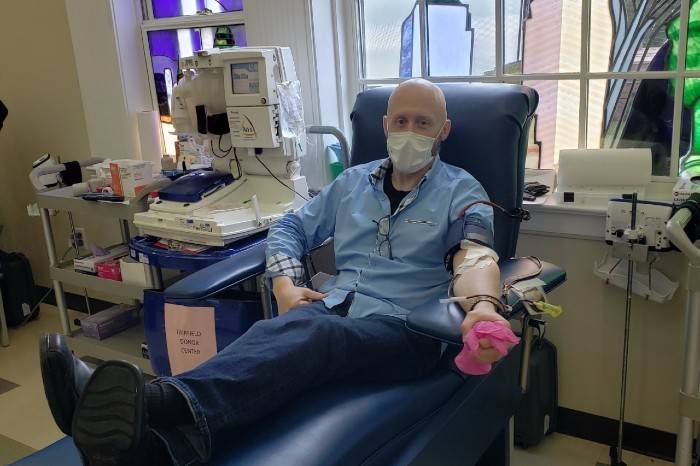
Upon passing the pre-screening, you will be directed to a donation room equipped with reclining donor chairs, where you can sit comfortably during the donation process. A phlebotomist cleanses a suitable vein in your arm with an antiseptic solution before inserting an aseptic needle connected to sterile tubing that leads to a blood collection bag specifically designed for plasma separation. Blood is drawn and enters a centrifuge, which separates the plasma from the other components of blood through centrifugation. Once the plasma is collected, the remaining components—red blood cells, platelets, and white blood cells—are returned to your body through the same needle, allowing for a safe and efficient donation.
The entire process typically lasts about 1 to 2 hours, including paperwork, screening, and the actual donation itself. Donors often report feeling fine immediately after the procedure, although it’s advisable to rest for a few minutes before standing up. Refreshments, such as water or a sports drink, are usually provided post-donation to help replenish fluids and electrolytes.
Common Myths vs. The Facts about Plasma Donation
Despite the significance of plasma donation, several misconceptions persist that can deter potential donors. One common myth asserts that donating plasma is excessively painful. In reality, while there is a slight discomfort associated with the needle insertion, the procedure is generally well tolerated. Healthcare professionals are trained to minimize discomfort and ensure a smooth process. Additionally, donors often describe the sensation of the blood flow as similar to slight pressure rather than pain.
Another prevalent myth suggests that donating plasma will harm one’s health by depleting vital nutrients or fluids. In truth, the human body is remarkably efficient at replenishing plasma volume within 24 to 48 hours following donation. The process also activates the liver to produce more plasma proteins, maintaining overall health. It is important to remember that, as with any medical procedure, there may be temporary side effects, such as dizziness or fatigue, which can be mitigated by following pre- and post-donation guidelines provided by donation center staff.
Other misconceptions revolve around the premise of financial compensation. While some individuals believe that compensation for plasma donation diminishes its altruistic nature, recognizing the value of your time and effort is important, particularly as it encourages more people to donate. This incentive helps increase donations globally, subsequently ensuring more individuals in critical needs receive the treatment they require.
Plasma Donation Centers in NJ: Where to Go and What to Expect
A Guide to the Best Plasma Donation Centers Across New Jersey
New Jersey hosts a variety of plasma donation centers, each equipped to offer a comfortable and safe environment for donors. Established organizations, such as the American Red Cross and BioLife Plasma Services, abound throughout the state, with locations in major cities such as Newark, Jersey City, and Edison. These centers are staffed with trained professionals dedicated to ensuring a positive donation experience while upholding strict health and safety standards.
It is advisable for new donors to research each facility’s reputation, available hours, and the technologies they employ. For instance, some centers utilize advanced techniques such as automated plasma donation machines, which can enhance efficiency and comfort. Reading reviews from other donors on platforms like Yelp or Google can provide valuable insight into the experiences at different centers.
What to Bring: Preparing for Your First Donation
Preparation is key to a seamless plasma donation experience. Before heading to the donation center, ensure you have a valid form of identification, such as a government-issued ID or driver’s license, as you will be required to register as a donor. It’s also beneficial to bring a donor card if you have one from previous donations, as this can streamline the check-in process.
Equally important is ensuring you are adequately hydrated prior to donation; it is recommended to drink plenty of fluids the day before and the morning of your donation. Eating a well-balanced meal—including foods rich in protein—can help your body maintain energy levels and support the plasma production process. Avoiding fatty foods on the day of your appointment can assist with the quality of the plasma collected, as it can be impacted by your diet.
The Atmosphere: Comfort vs. Clinical—What to Expect
The atmosphere of a plasma donation center can vary significantly, often cutting across the spectrum from clinical to comforting. Many modern facilities are designed with the donor experience in mind, offering comfortable waiting areas equipped with amenities such as free Wi-Fi, refreshments, and television screens to keep donors entertained during the waiting period. Private donation booths or curtained-off areas enhance privacy and comfort, allowing donors to relax during the process.
Your experience may also be influenced by the demeanor of the staff; friendly and approachable personnel can help alleviate anxiety and contribute to a more pleasant environment. If you’re anxious about the donation process or have any questions before or during your visit, don’t hesitate to reach out to the staff; they’re there to support you and ensure you feel at ease throughout your donation journey.
The Benefits of Donating Plasma: Not Just a Good Deed
Health Benefits: How Plasma Donation Can Boost Your Well-Being
While the primary motivation for many donors may be the altruistic nature of helping others, donating plasma can yield several health benefits for the donor as well. Regular plasma donation has been correlated with a decrease in certain health issues, including high blood pressure and cholesterol levels, as the process encourages fluid circulation and active metabolic pathways within the body.
Additionally, many donors report an increased sense of well-being and purpose after donating, as they contribute to life-saving treatments. The feeling of having made a difference in someone else’s life can lead to enhanced mental health and emotional stability. Engaging in charitable acts like plasma donation may also foster a sense of community involvement, leading to more holistic health benefits.
Compensation: What You Need to Know About Rewards
Most plasma donation centers provide compensation for your time, and understanding how this system works can help potential donors make informed decisions. Compensation varies by center and donation frequency—most facilities offer between $20 to $50 per donation depending on several factors, such as the volume of plasma collected and current promotional offers. Donors can typically receive incentives for frequent donations as the need for plasma often leads to donor competition in specific regions.
While this monetary incentive can be a motivating factor for many, it’s essential for donors to view compensation as a bonus rather than the primary motivation for giving plasma. The health benefits and the impact on those in need should remain the central focus, ensuring that the act of donation retains its altruistic essence.
The Impact: How Your Donation Makes a Difference in the Community
The impact of plasma donation goes beyond individual health benefits and fosters a broader community focus. By donating plasma, you are directly contributing to the healthcare of individuals relying on plasma-derived therapies. In New Jersey, where healthcare disparities may exist, providing plasma can bridge gaps in the healthcare system and ensure critical treatments are accessible to those in need, regardless of socioeconomic status.
Your donation supports various healthcare needs, such as providing immunoglobulins for patients with immune deficiencies, creating clotting factors for hemophilia patients, and facilitating treatments for burn victims or patients undergoing major surgeries. By understanding and advocating for plasma donation, you help cultivate a culture of giving that can have ripple effects across the community, encouraging others to consider their ability to contribute—ultimately enhancing public health as a whole.
Joining the Plasma Donor Community: Connecting with Others
Finding Support: Engaging with Other Donors
Joining the plasma donor community can be a fulfilling experience that enables you to connect with like-minded individuals who share a passion for giving back. Many plasma donation centers foster community by organizing donor appreciation events, information sessions, and support groups that encourage shared experiences and real-time engagement.
Online platforms, including social media groups and forums dedicated to plasma donation discussions, offer opportunities for donors to share their stories, ask questions, and discuss the process. Engaging with others can help demystify the experience for new donors and provide valid insights into the journey of regular plasmadonors. Establishing connections within the community can turn what may initially feel like a solitary task into a communal effort with shared impacts.
Events and Initiatives: Get Involved Beyond Donation
To encourage further involvement within the community, many plasma donation centers and organizations initiate events that go beyond the mere act of donating. These might include health fairs, educational seminars on blood health, or community drives aimed at raising awareness about the importance of plasma donation. Participating in these initiatives not only broadens your understanding of the health landscape within your community but also provides avenues for deeper engagement.
Networking at these events can lead to forming partnerships with local health organizations or volunteering for causes related to health education. Ultimately, becoming actively involved can amplify your impact, as it fosters community ties and a collective understanding of the importance of plasma donations.
Staying Informed: Resources for Plasma Donors in NJ
Staying informed about plasma donation is crucial for both new and seasoned donors. Numerous resources exist for individuals wishing to learn more about the process, safety protocols, and health updates. Websites of reputable organizations, such as the American Association of Blood Banks (AABB) and local health departments, provide comprehensive information regarding donation guidelines, research developments, and community events.
Additionally, subscribing to newsletters or social media channels of plasma centers can keep you abreast of announcements, new policies or compensation structures, and other relevant insights. Joining donor associations or groups can further enrich your understanding and offer peer support in navigating the donation journey.
As you explore plasma donation opportunities in New Jersey, remember that your contributions are invaluable in shaping healthier communities. Empowered by knowledge, reinforced by personal connections, and driven by the profound impact of your actions, you can play a pivotal role in the lives of countless individuals in need. Together, we can cultivate a culture of giving, service, and support—ensuring that the life-saving power of plasma remains available for those who need it the most.
FAQ
Question: Can anyone donate plasma, or are there age and weight requirements? – Plasma donation is typically restricted to individuals who are at least 18 years old and weigh at least 110 pounds. These requirements ensure the safety of both the donor and the recipient, as well as the integrity of the donation process.
Question: How often can a person donate plasma? – The FDA allows individuals to donate plasma up to twice a week, with at least 48 hours between donations. This guideline helps to ensure that donors have adequate time to replenish their plasma levels and maintain their health.
Question: What are the potential side effects of donating plasma? – Most donors experience few side effects, but some may feel minor dizziness, fatigue, or a little lightheadedness due to fluid loss. Proper hydration and nutrition before and after donation can help mitigate these feelings.
Question: Is there a difference between donating plasma and donating whole blood? – Yes, donating plasma specifically involves the separation of the liquid components of blood, while whole blood donation includes red blood cells, white blood cells, platelets, and plasma. Plasma donation typically takes longer due to the separation process.
Question: What should I avoid before donating plasma? – It is recommended to avoid fatty foods and alcohol prior to your donation, as these can affect the quality of the plasma collected. Staying hydrated and eating a balanced meal is encouraged to optimize the donation experience.
Question: Are there any long-term health consequences from donating plasma? – Generally, plasma donation is safe and does not have long-term health effects for healthy individuals. The body replenishes plasma quickly, usually within a few days. However, regular donors are encouraged to monitor their health and consult with medical professionals if they have concerns.
Question: Can I donate plasma if I have a medical condition? – It largely depends on the condition and its management. Some medical conditions may require additional screening or could disqualify a person from donating plasma. It is important to disclose your medical history during the pre-screening process to determine eligibility.
Question: What happens to the plasma after donation? – After plasma collection, it is processed and tested for safety, and then often used to create life-saving therapies, such as immunoglobulins and clotting factors, which are given to patients with various medical conditions. Your donation directly contributes to critical health treatments.
