
What You Need to Know About Blood Plasma: The Unsung Hero of Health
The Science Behind Plasma: Understanding Its Life-Saving Properties
Blood plasma is the yellowish liquid component of blood that serves as a vital resource for multiple medical treatments and therapies. Encompassing about 55% of total blood volume, plasma is composed of approximately 90% water, in addition to electrolytes, enzymes, antibodies, hormones, and waste products. This unique composition allows plasma to play a critical role in maintaining blood pressure, transporting nutrients, and facilitating waste removal. Importantly, plasma contains proteins such as albumin, globulins, and fibrinogen, which are crucial for various health functions, including blood clotting and immune responses.
One of the primary functions of plasma is to serve as a carrier for cells and molecules that are essential for body functions. It transports red blood cells, white blood cells, and platelets, along with essential nutrients like glucose, amino acids, and lipids. Moreover, plasma proteins help sustain colloid osmotic pressure, which governs the balance of fluids between blood vessels and tissues. The therapeutic use of plasma in medicine is vast—plasma-derived therapies can treat conditions ranging from clotting disorders to immune deficiencies. Consequently, understanding the science behind plasma underscores its crucial role as the unsung hero of health, with plasma donations serving as a lifeline for countless patients.
Myths and Facts: Debunking Common Misconceptions About Plasma Donation
Despite the undeniable significance of plasma donation, several misconceptions persist that can discourage potential donors. One common myth is that plasma donation is painful or overly time-consuming. The truth is, while the process involves inserting a needle into a vein, most donors report minimal discomfort. Additionally, a plasma donation session typically lasts between 1-2 hours, including the time spent for preliminary screenings and recovery, making it a manageable commitment for those looking to help others.
Another widespread myth is the belief that donating plasma can negatively affect health or energy levels. In reality, the body is remarkably adept at replenishing plasma—donors often feel perfectly normal shortly after a donation. Moreover, many donation centers observe safe limits on frequency, ensuring that donors can contribute without risking their well-being. By debunking these common misconceptions, we can inspire more individuals to participate in the life-saving act of plasma donation, ultimately benefiting both the donors and the patients in need.
Finding Your Local Blood Plasma Donation Center: A Guide to Getting Started
Your Essential Checklist for Choosing the Right Donation Center
When considering plasma donation, identifying a suitable donation center is the first step. Begin by researching centers in your area, paying attention to factors such as accreditation, hours of operation, and facility cleanliness. Reputable centers are usually licensed and regulated by organizations such as the Food and Drug Administration (FDA) in the United States. Look for donor testimonials and reviews to gauge the quality of service and atmosphere, as a welcoming and supportive environment enhances the donation experience.
Another important aspect to consider is the staff’s professionalism and expertise. Knowledgeable and friendly staff can make a significant difference in how comfortable you feel throughout the process. Additionally, some centers offer specific rewards or incentives for donations, such as gift cards or loyalty programs, which can add another layer of motivation to give. Ultimately, taking the time to research and choose the right blood plasma donation center can enhance your experience and encourage repeat contributions.
What to Expect: The Plasma Donation Process Explained
Understanding the donation process can help alleviate any anxiety you might have about your first visit. The process typically begins with a thorough screening, during which staff will ask about your medical history, lifestyle, and current medications. This step ensures that your donation is safe for both you and the recipients. The screening usually includes a physical examination to check vital signs, hemoglobin levels, and a blood pressure assessment.
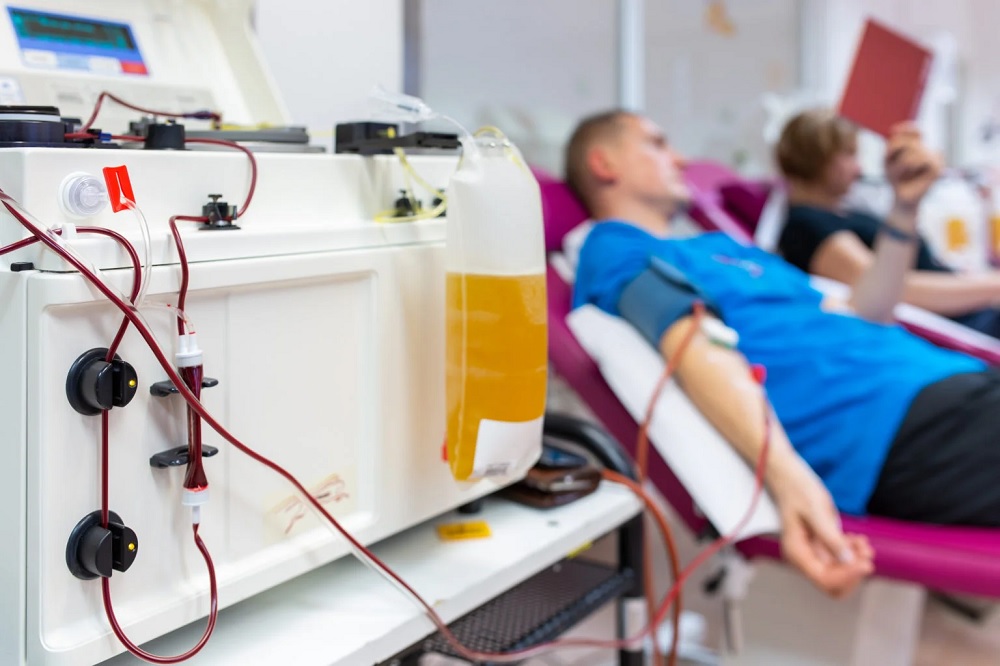
Once cleared to donate, the actual plasma collection can begin. You will be seated comfortably while a sterile needle is inserted into your arm, with the blood then drawn into a machine that separates plasma from the rest of the blood components. This separation process utilizes a technique called plasmapheresis, which efficiently collects plasma while returning red blood cells and platelets back into your body. The whole collection typically takes around 50-80 minutes, after which you are encouraged to rest and hydrate before leaving. Many centers also provide snacks and refreshments, promoting quicker recovery and replenishment of your energy.
The Impact of Your Generosity: How Plasma Donations Save Lives
Real Stories: Meet the Patients Whose Lives Were Changed by Plasma
The true impact of plasma donation is best reflected in the stories of the patients whose lives have been profoundly altered by this selfless act. Consider the case of Emily, a young woman diagnosed with a condition known as Thrombotic Thrombocytopenic Purpura (TTP), a rare blood disorder that requires regular infusions of plasma to manage. Thanks to the generous contributions of plasma donors, Emily was able to receive the treatment she needed, allowing her to reclaim her life, pursue her educational dreams, and live free from the debilitating effects of her illness. Personal accounts like Emily’s underscore the dire need for plasma donations and highlight how a simple act of kindness can have a ripple effect on individuals and families.
Similarly, anecdotal evidence suggests that many patients awaiting organ transplants rely on plasma-derived treatments to stabilize their health prior to surgery. Plasma proteins can aid in clotting and improve immune function, making plasma essential for patients in these critical situations. As you consider becoming a donor, remembering these personal stories can motivate you, emphasizing the transformative power of your contributions.
The Ripple Effect: How One Donation Can Inspire a Community
Beyond individual narratives, plasma donations can create a powerful ripple effect within communities. When individuals come together to donate, they foster a culture of giving that can inspire others to make a difference as well. This community engagement not only raises awareness about the importance of plasma donation but also creates a robust support network for ongoing initiatives. When one person shares their donation experience, they can prompt conversations and outreach efforts that extend far beyond the donor center.
Moreover, community donation drives can be organized—often in conjunction with local health organizations—which can significantly increase the volume of plasma collected in a short period. These events serve to educate the public about plasma donation, reduce misconceptions, and encourage participation. By creating an energized and informed community around plasma donation, we not only improve individual health but cultivate a spirit of solidarity and generosity that can ripple through countless lives.
Reasons to Donate Plasma: Beyond Just Helping Others
The Health Benefits of Regular Plasma Donation: It’s a Win-Win!
While the altruistic reasons for donating plasma are powerful motivators, regular plasma donation can also confer several health benefits to the donors themselves. Studies suggest that donating plasma may promote cardiovascular health by improving circulation and lowering blood pressure. Additionally, the process of donating helps to stimulate the body’s natural production of new plasma, promoting the regeneration of healthy blood cells. Regular donors often report feelings of increased wellness and vitality following each donation.
Furthermore, regular plasma donation can lead to the discovery of undiagnosed health conditions during routine screenings. This proactive measure allows individuals to gain insights into their overall health, helping them manage or prevent potential issues down the line. By engaging in the practice of plasma donation, individuals are not only contributing to a greater cause but also prioritizing their own health and wellness.
Incentives and Rewards: What You Gain from Giving Generously
In addition to personal health benefits, many plasma donation centers offer incentives to encourage repeat donations. These incentives can take various forms, including monetary compensation, gift cards, and other rewards programs. The compensation structure ensures donors feel valued for their contributions, acknowledging the time and effort involved in plasma donation. Some centers also hold initiatives, such as contests or rewards for milestone donations, which create a sense of community and achievement among donors.
Moreover, organizations often share updates about how donations are being utilized, allowing donors to see the direct impact of their contributions and feel further connected to the cause. Many donors express satisfaction not only from the tangible rewards they receive but also from the intangible benefits that come from knowing they are making a significant difference in the lives of others. By embracing both incentives and the broader impact of giving, more individuals can be encouraged to step forward and participate actively in the life-saving practice of plasma donation.
FAQ
Question: What are the eligibility requirements for donating plasma? – To donate plasma, individuals typically need to be at least 18 years old, weigh at least 110 pounds, and be in good health. Some centers may have additional requirements based on local regulations.
Question: How often can I donate plasma? – Most donation centers allow individuals to donate plasma once every 28 days. This timeframe allows the body to replenish the donated plasma and ensures donor safety.
Question: Is there any compensation for donating plasma? – Yes, many plasma donation centers offer monetary compensation, gift cards, or rewards programs to encourage regular donations. Compensation varies by location and frequency of donations.
Question: Are there any risks associated with donating plasma? – Plasma donation is generally safe with minimal risks. Some donors may experience light-headedness, bruising, or discomfort at the needle site, but these effects are typically temporary and resolve quickly.
Question: Can I donate plasma if I have a medical condition? – It depends on the specific medical condition and its management. Each donor will go through a thorough screening process where staff will assess health history to determine eligibility for donation.
Question: What should I do before and after donating plasma? – It is recommended to stay hydrated and eat a healthy meal before donation. Afterward, donors should rest for a few minutes and hydrate again to assist in recovery.
Question: How is donated plasma used in medical treatments? – Donated plasma is used in a variety of medical treatments, including for clotting disorders, immune deficiencies, and during surgeries. Plasma proteins are essential for these therapies.
Question: Can I donate plasma if I’m taking medication? – Some medications may affect eligibility to donate plasma, while others may not. It is important to disclose all medications during the screening process for proper evaluation.
