
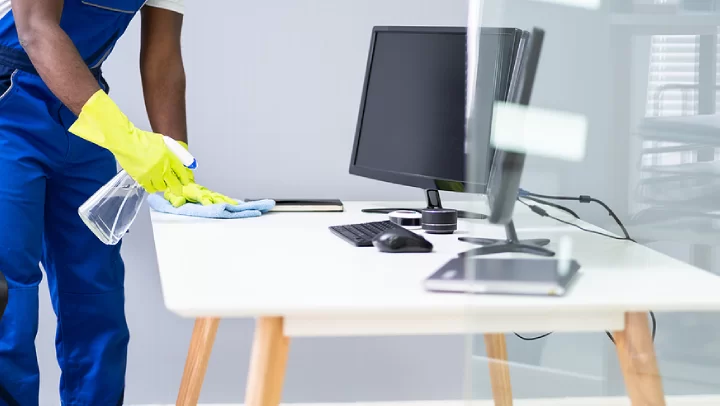
Walk into any workplace and one of the first things you’ll notice isn’t the logo on the wall or the open-concept layout—it’s the cleanliness. Whether it’s the subtle shine on the floors or the absence of dust on a keyboard, these small details quietly reflect a company’s values. Clean work environments aren’t just about appearances. They speak volumes about professionalism, health standards, and even employee morale.
For many businesses, office cleaning is an afterthought, something that happens in the background. But the impact it has on day-to-day operations is anything but minor. A clean office directly affects how employees feel, how clients perceive the brand, and how smoothly the workplace functions overall.
Cleanliness as a Signal of Order
There’s an unspoken message that a clean workspace sends: this is a place that pays attention. Studies have shown that cleanliness in office environments is associated with higher productivity and lower stress levels. A tidy setting allows people to focus, communicate better, and collaborate more easily. When workspaces are cluttered or dirty, the opposite happens. People feel mentally scattered and less motivated.
Routine cleaning doesn’t just involve wiping down desks or emptying trash cans. It’s about maintaining order across shared spaces—conference rooms, restrooms, kitchen areas, and lobbies. These are the zones where visitors get their first impressions and employees gather to think, plan, or relax. If any of these areas are poorly maintained, the overall vibe of the company can take a hit.
Health Matters More Than Ever
The pandemic made hygiene a front-and-center issue for businesses worldwide. What used to be routine now carries a sense of urgency. High-touch surfaces like elevator buttons, door handles, keyboards, and light switches are now cleaned more frequently. This focus on sanitation isn’t just about optics. It’s about real-world health outcomes.
Clean offices reduce the spread of viruses and bacteria, which helps decrease the number of sick days employees take. And fewer sick days lead to more consistent workflows and fewer project delays. Investing in a comprehensive cleaning plan doesn’t just protect physical health; it also safeguards a company’s bottom line.
Cleaning as Part of Company Culture
There’s a difference between a company that reacts to messes and one that builds cleanliness into its culture. When leaders value organization and cleanliness, employees often follow suit. That could mean wiping down their desks at the end of the day or refilling the hand sanitizer without being asked. These small actions contribute to a larger system of mutual respect and responsibility.
Some companies even incorporate cleaning into team rituals. Maybe it’s a five-minute tidy-up before the weekend or a rotating schedule for keeping the breakroom fridge in check. These aren’t just tasks—they’re moments that reinforce shared ownership of the workspace.
For those looking for professional support, office cleaning in Georgetown is more than just janitorial work. It often includes customized schedules, eco-friendly cleaning products, and detailed checklists tailored to the specific needs of a workplace. These services go beyond surface-level cleanups, focusing on deep cleaning practices that promote long-term wellness and hygiene.
The Psychology of a Clean Desk
Behavioral psychologists have long studied the effects of the environment on mood and behavior. A well-maintained space can help trigger a sense of clarity and focus. On the flip side, a messy or grimy space may cause anxiety or mental fatigue. This is especially true in high-pressure environments where deadlines are tight and communication is constant.
Something as simple as a dust-free desk or clean monitor screen can be surprisingly uplifting. That’s why many companies encourage employees to personalize their workspaces but within a framework of cleanliness. It keeps the balance between comfort and professionalism.
Visitors Take Notice
Whether it’s a job candidate walking in for an interview or a client sitting down for a pitch, visitors form impressions quickly. A smudge-free glass door, a clean restroom, or a well-stocked kitchenette quietly builds trust. It says, “We’ve got this under control.” On the other hand, stained carpets or overflowing bins can raise unspoken doubts about how detail-oriented or dependable the business truly is.
Professional services specializing in office cleaning in Georgetown often emphasize these touchpoints. They know that first impressions aren’t always formed during a conversation. Sometimes they start in the waiting area, with nothing but a clipboard and a bottle of hand sanitizer nearby.
Green Cleaning and Sustainability Goals
As companies move toward more sustainable practices, office cleaning is evolving too. Many businesses now request or require the use of non-toxic, biodegradable cleaning supplies. HEPA-filter vacuums, microfiber cloths, and concentrated cleaning agents that reduce packaging waste are becoming the norm.
Green cleaning isn’t just a trend. It aligns with the values of modern workers and environmentally conscious consumers. It’s a small but powerful way to make an office part of a larger movement toward sustainability.
Behind the Scenes, Ahead of the Curve
One of the unsung benefits of professional cleaning services is the systems they bring. Reputable companies use structured protocols, quality checks, and efficient routines that go beyond what an in-house team might manage. They work after hours, follow strict health standards, and often adapt based on the unique needs of each client.
While many companies consider office cleaning a background service, it actually plays a central role in daily business life. From maintaining workplace morale to influencing external perceptions, it’s one of those behind-the-scenes elements that deserves more attention than it gets.
As businesses adapt to new working models—hybrid schedules, hot-desking, and increased digital collaboration—physical space still matters. A clean office is a silent ally. It says things your brand may never put in writing: we’re attentive, we care, and we’re ready for whatever’s next.
