
Why Choose Faux Wood Ceiling Panels? The Perfect Blend of Style and Functionality
The Allure of Natural Aesthetics
Faux wood ceiling panels capture the quintessence of nature’s beauty, allowing homeowners to achieve the warm, inviting aesthetics of real wood without the associated downsides, such as cost and maintenance. These panels, created from high-quality materials that simulate the textures and grains of natural wood, add depth and character to any space—whether it’s a cozy cabin, modern loft, or traditional dining area. The manufacturing processes have advanced significantly, offering a wide array of finishes, colors, and styles that closely mimic the unique variations found in natural wood. This allows for versatility in design, enabling you to select faux wood ceiling panels that complement your existing decor while enhancing the overall ambiance of the room. The visual warmth and tactile elegance of these panels can transform a sterile environment into a welcoming retreat, making them an ideal choice for anyone seeking to add an organic touch to their interior design.
Durability Meets Design: How Faux Wood Stands The Test of Time
One of the standout benefits of faux wood ceiling panels is their remarkable durability. Unlike natural wood, which is prone to warping, splitting, and fading due to environmental exposure, faux wood materials are designed for longevity. Most faux wood panels are made from high-density polyethylene or PVC, which are impervious to moisture, termites, and other pesky household issues that can plague real wood. This resilience means that faux wood ceilings not only look fantastic but also maintain their appearance over time, even in high-traffic areas or humid environments like bathrooms and kitchens. Additionally, many faux wood panels come with warranties that underscore their quality, ensuring that your investment is protected for years to come. This incredible durability does not come at the expense of aesthetics; contemporary designs allow for intricate detailing that can deceive even the most discerning eye. With faux wood, you can enjoy the classic beauty of wood ceilings while sidestepping the drawbacks of traditional materials.
Eco-Friendly Choices: Sustainable Options in Faux Wood Materials
In an age where sustainability is paramount, faux wood ceiling panels represent an eco-conscious choice for interior design. Many manufacturers are committed to responsible sourcing, with a focus on recycled materials and processes that minimize environmental impact. Opting for faux wood allows homeowners to realize their design dreams without contributing to deforestation or supporting industries that exploit natural resources. Products made from recycled components not only reduce waste but also often offer superior performance when compared to their natural counterparts. As consumers increasingly seek to reduce their carbon footprint, faux wood panels send a clear message: style can coexist with sustainability. Furthermore, advancements in manufacturing have led to the creation of options that are free from harmful chemicals, providing a safer environment for families, especially those with young children or pets. By choosing faux wood, homeowners are making a statement that reflects their values—creating beautiful spaces without compromising the planet.
Design Inspirations: Transformative Ideas for Every Room
From Cozy Living Rooms to Elegant Dining Spaces: Tailoring Your Ceiling Design
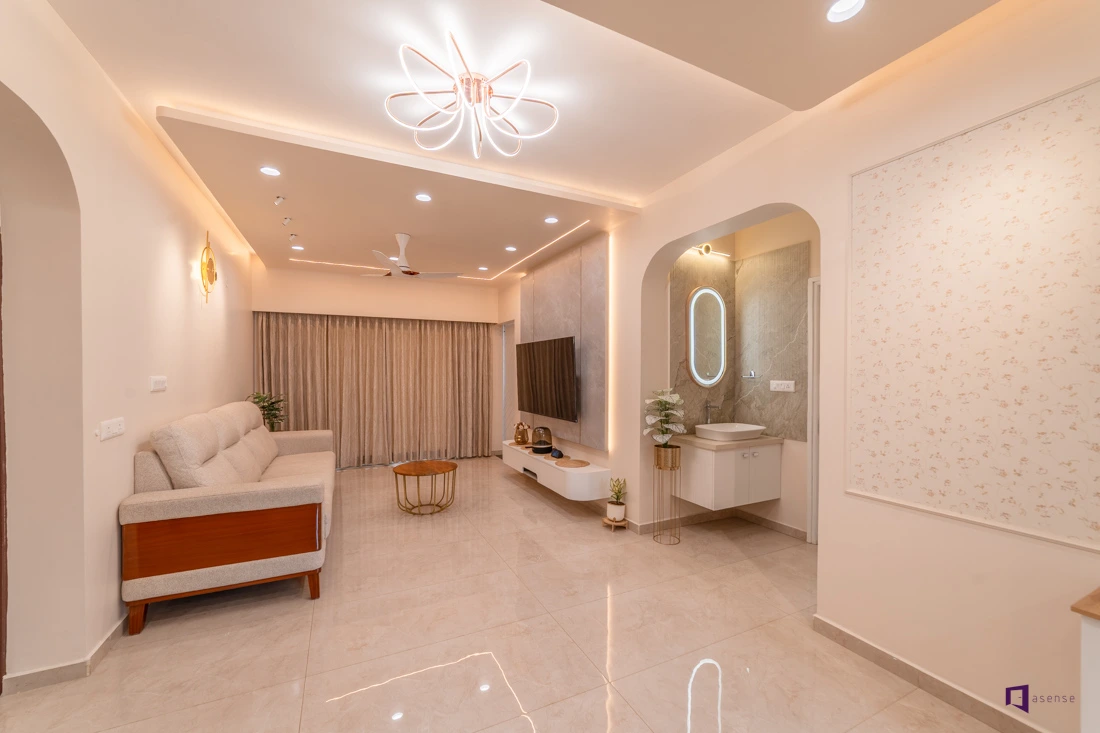
The right ceiling design can dramatically alter the perception of a room, and faux wood panels are the perfect candidates for such a transformative approach. In cozy living rooms, these panels can create an intimate atmosphere, especially when used in conjunction with soft lighting and plush furnishings. Consider a tongue-and-groove paneling style in a deep walnut finish—this combination not only adds warmth to the space but also encourages communal comfort and conversation. Moving into more formal areas, such as dining rooms, the application of faux wood ceilings can elevate the entire dining experience. Think of a rich cherry finish complemented by elegant light fixtures that enhance the wood’s hue. By playing with colors, textures, and finishes, you can tailor your ceiling design to suit the specific ambiance and purpose of each room, blending aesthetics with functionality seamlessly.
The Perfect Complement: Matching Faux Wood Panels with Your Interior Decor
When integrating faux wood ceiling panels into your home, it’s essential to understand how they harmonize with other design elements. These panels work exceptionally well with a variety of styles—be it rustic, industrial, modern, or transitional. For instance, in an industrial space characterized by metal and glass, dark-colored faux wood ceilings can provide a beautiful contrast while softening the starkness of the materials. In contrast, lighter-colored wood panels can brighten up a traditionally styled room, accentuating white walls and vintage decor. To achieve a balanced look, consider the scale and proportion of your existing furniture and fixtures; your faux wood ceiling should serve as a beautiful anchor that ties the room together rather than compete for attention. With careful consideration and thoughtful design, faux wood ceilings can be the cohesive thread that seamlessly integrates all elements of your décor.
Creative Configurations: Patterns and Layouts to Elevate Your Space
Gone are the days of flat, monotonous ceilings; faux wood panels offer limitless possibilities for creative configurations that can add depth and interest to your space. From herringbone patterns that introduce a sense of dynamism to shiplap layouts that convey a classic Americana vibe, the way you arrange the panels can significantly influence the overall feel of the room. Additionally, consider incorporating varying widths or complementary colors of faux wood to create visually striking designs. For instance, alternating different shades of oak and walnut can establish a rhythmic flow that pulls the eye around the room. Don’t shy away from using faux wood panels on angled or vaulted ceilings, as these features can serve as dramatic focal points that enhance the architectural character of your home. By experimenting with layouts and patterns, you can transform a simple ceiling into a captivating statement piece that commands attention and admiration.
Installation Insights: DIY or Professional? Making the Right Choice
The Step-by-Step Guide to Installing Faux Wood Panels Like a Pro
For homeowners eager to embark on a DIY project, the installation of faux wood panels can be an exciting and rewarding challenge. Before you begin, it’s crucial to gather your materials and tools: faux wood panels, adhesive or screws, a saw for trimming, a level, and a measuring tape. Start by preparing the surface—ensure it is clean, dry, and free from moisture. Next, plan the layout by measuring the area to determine how many panels you will need and how best to arrange them for a balanced look. Applying adhesive in a zigzag pattern or using screws to secure the panels directly onto joists will ensure a sturdy installation. As you work, use a level to keep each panel aligned, and don’t forget to allow appropriate acclimation time for the panels to adjust to the room’s temperature and humidity before installation. By following these steps, even novice DIYers can achieve a professional-looking finish, infusing their spaces with personality and charm.
When to Call in the Experts: Navigating Complex Installations
While many installations can be tackled by the eager DIY enthusiast, certain scenarios call for the expertise of professionals, especially when dealing with complex layouts or specific architectural features. If your ceiling is uneven, vaulted, or features intricate trim, it may be worth consulting with an experienced contractor. The decision to hire a professional can also hinge on the size of the project; larger areas may require specialized equipment and techniques that ensure safety and compliance with local building codes. Additionally, considering the current state of the building and insulation needs are crucial. If you have an older home with irregularities, a professional’s expertise can save you time and potential frustration. Ultimately, weighing the potential cost and time savings against the quality and longevity of the finished product can help you make the best choice for your faux wood ceiling installation.
Common Mistakes to Avoid: Ensuring a Flawless Finish
Embarking on a faux wood panel installation journey can be met with pitfalls that, when navigated carefully, can lead to a flawless finish. One of the most common mistakes is neglecting to properly measure the space before purchasing materials; miscalculations can lead to excess or insufficient panels, wasting both time and money. Additionally, overlooking surface preparation can result in panels that do not adhere properly, leading to unsightly gaps or sagging over time. It’s also essential to pay attention to the quality of adhesive or fasteners used; opting for inferior products can compromise the integrity of your installation. Lastly, forgetting to account for expansion due to temperature changes can lead to warping or cracking in the faux wood. By taking the time to research best practices and potential pitfalls, you can avoid these common errors and enjoy a stunning faux wood ceiling that enhances the beauty of your home.
Maintenance Made Easy: Keeping Your Faux Wood Panels in Pristine Condition
Cleaning Tips for Longevity: Protecting Your Investment
Caring for faux wood ceiling panels is a straightforward process that ensures they remain beautiful and functional for years. Regular cleaning should be a priority; using a soft cloth or microfiber duster can remove dust and debris without scratching the surface. For deeper cleaning, a mild soapy solution or a multi-surface cleaner can be utilized—just be sure to avoid harsh chemicals that could damage the finish. When tackling stains or sticky residue, a gentle scrubbing action with a soft sponge is often sufficient. It’s also essential to keep an eye on humidity levels in your home, as excess moisture can affect the integrity of faux wood, even if it’s resistant to water. With these simple cleaning practices, you can maintain the fresh look of your faux wood ceiling and protect your investment over time.
Repairing Minor Damages: Simple Solutions for Common Issues
Despite their durability, faux wood ceiling panels can experience minor damages over time, such as dents or scratches. Fortunately, most of these issues can be fixed with minimal effort. For small scratches, using a wood touch-up marker that matches the panel color can easily disguise the imperfection. In cases of deeper dents, a wood filler can be applied to level the surface, followed by a light sanding and touch-up paint to restore the original finish. If panels become damaged due to water exposure, the affected area may need to be replaced—an easy task if you have additional panels on hand. Regularly inspecting your ceiling for wear and tear can facilitate timely repairs, ensuring that your faux wood panels continue to look as good as new.
Rejuvenating Your Panels: When and How to Refresh the Look
Over time, even the most well-maintained faux wood ceiling panels may begin to look dull or faded. To rejuvenate their appearance, it’s helpful to know when a refresh is necessary and how to achieve it. If you notice a lack of luster or color fading, consider applying a clear coat finish to restore shine and protect the panels. Many products are available that are specifically designed for faux wood, ensuring compatibility without causing damage. Additionally, changing the color scheme of other elements in the room may prompt you to update the faux wood ceiling; painting the panels a fresh hue can create an entirely new aesthetic while enriching your overall decor. With a little effort, you can keep your faux wood ceiling panels looking vibrant and radiant for years to come.
By embracing the elegance of faux wood ceiling panels, homeowners can create stunning spaces that are as functional as they are beautiful. With the right choices in style, installation, and maintenance, these panels will continue to delight and impress, solidifying their place as a timeless interior design feature.
FAQ
Question: How do faux wood ceiling panels compare to traditional wood in terms of cost? – Faux wood ceiling panels typically cost significantly less than traditional wood, making them a budget-friendly option for homeowners looking to achieve a similar aesthetic without the high price tag.
Question: Are faux wood ceiling panels suitable for outdoor use? – No, faux wood ceiling panels are primarily designed for indoor use. Outdoor conditions can cause damage due to exposure to UV rays, moisture, and temperature fluctuations.
Question: Can faux wood ceiling panels be painted? – Yes, faux wood ceiling panels can be painted. For best results, it’s advisable to use paint designed for plastic materials and to ensure the panels are properly prepared before application.
Question: What is the average lifespan of faux wood ceiling panels? – With proper care, faux wood ceiling panels can last 10 to 20 years, depending on the quality of the materials and the maintenance routine followed.
Question: Are faux wood panels fire-resistant? – Many faux wood panels are made from materials that are inherently more fire-resistant than traditional wood, but it’s important to check the manufacturer’s specifications for fire ratings.
Question: Can I use faux wood ceiling panels in a bathroom? – Yes, faux wood ceiling panels are moisture-resistant, making them suitable for use in bathrooms, but proper ventilation is still recommended to maintain their longevity.
Question: How do I ensure proper installation of faux wood ceiling panels? – To ensure proper installation, follow the manufacturer’s recommendations regarding surface preparation, layout planning, and the correct type of adhesive or fasteners needed for your specific panels.
Question: What maintenance is required for faux wood ceiling panels? – Maintenance typically includes regular dusting, occasional deep cleaning with mild soap, and inspecting for damages to ensure the panels remain in good condition.
Useful Resources
- Houzz – A platform for home design inspiration, including articles on materials and installation.
- DIY Network – Offers tutorials and guides for DIY home improvement projects, including ceiling installations.
- This Old House – A trusted resource for home improvement tips, including renovation and material advice.
- Wood Magazine – Features articles on woodworking, materials, and DIY projects related to wood and faux wood.
- Environmental Protection Agency (EPA) – Information on eco-friendly materials and sustainable building practices.
- APA – The Engineered Wood Association – Provides insights into engineered wood materials and their uses in construction.
- American Homeowners Association – Offers resources and tips for homeowners on various home improvement topics.
- Family Handyman – A resource for home improvement tips, DIY projects, and advice on materials like faux wood.
