
Key Takeaways:
- Plasma is a critical component of blood, vital for transporting nutrients, fighting infections, and healing injuries.
- The plasma donation process is safe and easily conducted in approximately 45 minutes to an hour.
- Donated plasma is used in therapies for chronic illnesses, autoimmune diseases, and emergencies, emphasizing its medical importance.
- Cherry Hill, NJ has several plasma donation centers that prioritize safety, education, and community engagement.
- Each plasma donation can significantly impact local healthcare, helping patients with various medical conditions.
- Financial incentives for plasma donation can range from $50 to $300, making it a beneficial opportunity for donors.
- Donating plasma provides health benefits such as improved circulation, enhanced cardiovascular health, and better overall wellbeing.
- Acts of generosity through plasma donation can boost psychological welfare by enhancing feelings of purpose and community connection.
- Preparation for plasma donation includes proper nutrition and hydration, while post-donation care involves recovery tips to maintain health.
- Concerns regarding safety and eligibility for donation are addressed by trained professionals at donation centers.
The Science Behind Plasma Donation: What You Need to Know
The Unique Properties of Plasma and Its Life-Saving Components
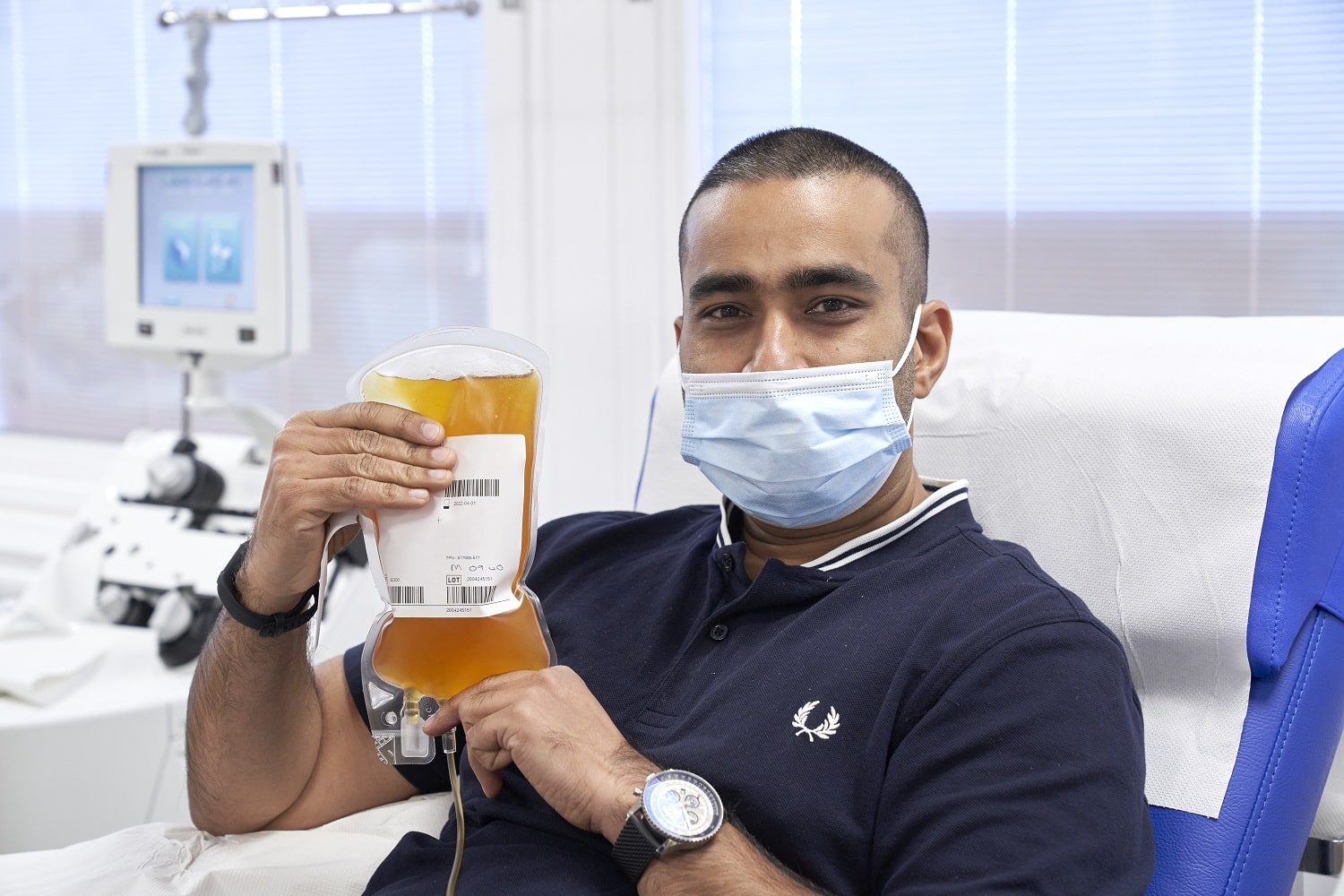
Plasma, the liquid component of blood, represents approximately 55% of total blood volume and consists primarily of water, proteins, electrolytes, hormones, and waste products. This yellowish fluid plays a crucial role in maintaining blood pressure, providing essential nutrients to cells, and facilitating the removal of metabolic wastes. One of the most significant components of plasma is immunoglobulin, which helps the body fight infections and is a key element in therapies for individuals suffering from immune deficiencies. The importance of plasma arises not only from its composition but also from its ability to transport these life-sustaining elements across various bodily systems.
Another vital component is clotting factors, which are essential for healing injuries and preventing excessive bleeding. Conditions like hemophilia highlight the necessity of plasma donation, as these patients rely on the clotting factors derived from donors for their survival. Additionally, human albumin, a protein found in plasma, is used to treat burns, shock, and traumatic blood loss. Understanding these unique properties helps underscore the importance of plasma donation, as each donation can significantly impact multiple lives and contribute to an efficient healthcare system.
How Plasma Donation Works: From Your Vein to the Community
The plasma donation process is straightforward and safe, designed to maximize comfort for donors while ensuring high-quality collection for therapeutic use. After arriving at a donation center, donors undergo a brief medical screening including questions about their health history and lifestyle. This pre-screening is essential for maintaining the safety of both donors and recipients. Once cleared, the actual donation begins: blood is drawn from a donor’s arm through a sterile needle and enters a machine called a plasmapheresis device.
This technology separates plasma from other blood components—red blood cells, white blood cells, and platelets. After the plasma is collected, the remaining blood components are returned to the donor’s bloodstream. This process typically takes about 45 minutes to an hour. Donors may be apprehensive about the time commitment or the needle; however, trained professionals at donation centers provide reassurance and care to ensure the experience is as comfortable and efficient as possible. Ultimately, each donation can contribute to multiple treatments, reinforcing the vital connection between a single act of kindness and its wide-reaching benefits within the community.
The Vital Role of Plasma in Medicine: More Than Just a Donation
Plasma donation is not merely an altruistic act; it plays an instrumental role in modern medicine, particularly in the treatment of chronic illnesses and emergency situations. Therapies derived from plasma include immunotherapies for cancer patients, treatments for autoimmune diseases, and replacements for coagulation factors. For diseases like hypogammaglobulinemia, where the immune system fails to produce adequate immunoglobulins, regular plasma donations can sustain individuals and help prevent severe infections.
Moreover, the COVID-19 pandemic emphasized the significance of plasma therapies, particularly convalescent plasma transfusions, which provided critical treatments for patients battling severe symptoms. The ability to harness plasma’s components for life-saving interventions not only reflects a medical breakthrough but also exemplifies the communal effort required to address health crises. As awareness increases regarding the vast applications of plasma, the call for donors is more urgent; a single donor can save or dramatically improve the quality of life for several individuals at once.
Why Cherry Hill is the Go-To Place for Plasma Donation
Local Plasma Donation Centers: A Guide to Your Neighborhood Heroes
Cherry Hill, NJ is home to several plasma donation centers, each committed to the cause of saving lives and promoting health within the community. Prominent locations for plasma donation in Cherry Hill, NJ provide accessible and reliable options for donors. These centers are equipped with trained professionals who adhere to strict safety protocols, ensuring that all donations are handled with care and respect.
In addition to providing a safe and supportive environment, these centers often engage in community outreach programs to raise awareness surrounding the importance of plasma donation. They host donation drives, educational workshops, and community events that invite local residents to learn about donation and its life-changing impact. Such initiatives not only foster community spirit but also help demystify the donation process, making it easier for potential donors to understand how they can contribute. It’s through these local heroes that many individuals have the opportunity to engage with their community and play a vital role in public health.
Community Impact: How Your Donation Can Change Lives Right Here
The ripple effect of plasma donations extends far beyond the donation center or hospital. In Cherry Hill, when you donate plasma, you’re not just helping patients; you’re shaping the health landscape of your entire community. A donation can provide critical support to hospitals treating patients with burn injuries, liver diseases, and blood disorders. Every plasma bag collected serves the dual purpose of saving lives while fostering a sense of interconnectedness among community members.
Moreover, the recent growth of chronic illnesses has created an increased demand for plasma-based therapies. Conditions such as COVID-19, cancer, and various autoimmune diseases necessitate more donors than ever. When Cherry Hill residents rise to meet this challenge through plasma donation, they don’t just contribute to the immediate healing of patients; they cultivate a healthier future for their friends and family. This sense of community commitment embodies what it means to be a contributing member of society and reflects the true essence of reciprocal care.
Building Trust: What Sets Cherry Hill’s Plasma Centers Apart
Cherry Hill’s plasma centers distinguish themselves through their dedication to maintaining the highest standards of safety, compassion, and integrity. Each center is licensed and regulated, adhering to both federal and state guidelines. This commitment to excellence ensures that each plasma donation is conducted in a hygienic environment with cutting-edge technology, minimizing risks and maximizing donor safety.
Moreover, these centers prioritize donor education. They strive to provide comprehensive information on the donation process, benefits, and aftercare, allowing individuals to take informed steps in their donation journey. Friendly and welcoming staff members play a crucial role in creating a positive environment. Their commitment to respecting and understanding donor concerns enhances trust and encourages future donations. Cherry Hill’s plasma centers do not merely collect plasma; they foster long-term relationships with donors, cultivating a community of health advocates who are empowered to make a difference.
The Benefits of Donating Plasma: More Than Just Health and Wellness
Financial Incentives: Turning Your Generosity into Extra Cash
In addition to contributing to medical advancements, plasma donation offers various financial incentives that transform this act of kindness into a tangible benefit for donors. Most plasma donation centers provide compensation for your time, often ranging from $50 to $300 per donation, depending on the center and the frequency of donations. This compensation can add up, making a significant difference in the lives of those who participate regularly.
For many donors, this extra income helps cover everyday expenses, assist with bills, or contribute to savings, creating a dual advantage of personal financial gain alongside altruistic endeavors. The financial compensation structure is designed not only to incentivize donations but to recognize and honor the valuable time commitment from individuals. As a leading plasma donation center, CSL Plasma, for instance, offers promotional bonuses for first-time donors, further encouraging participation within the community. Such financial incentives help promote an ongoing culture of generosity while addressing the pressing need for plasma in medical treatments.
Health Perks: The Surprising Benefits for Donors
Beyond the community and financial rewards, donating plasma also comes with various health benefits for the donors themselves. Many people may be unaware that the donation process stimulates the production of new blood cells, promoting an overall sense of well-being. Following a donation, the body focuses efforts on replenishing plasma volume and cell levels, resulting in improved circulation and enhanced cardiovascular health.
Regular donors often report feeling lighter, more energetic, and even experience improvements in certain health markers. A routine plasma donation can help lower blood pressure and improve overall cholesterol levels, thus promoting heart health. Such benefits not only enhance the quality of life but can also encourage donors to maintain healthier lifestyles, knowing that their actions contribute to their well-being as well as the health of others.
Give Back, Feel Great: The Psychological Rewards of Helping Others
The emotional and psychological rewards of plasma donation are profound and far-reaching. Engaging in acts of generosity tends to create a calming effect on the mind, reducing stress and enhancing feelings of happiness and satisfaction. For many donors, the experience of helping others fosters a sense of purpose and community identity. Knowing that each donation can save lives, reduce suffering, or help someone overcome a debilitating illness can evoke feelings of pride and fulfillment.
Studies have indicated that altruistic behaviors, such as donating plasma, are associated with higher levels of happiness and overall life satisfaction. Choosing to become a plasma donor can transform an individual’s perspective on life, encouraging them to engage more actively within their community and pursue other avenues of giving back. Moreover, the connections made at the donation center, whether with staff or fellow donors, foster a sense of belonging, making plasma donation not just a medical transaction but also a gateway to creating impactful relationships within the community.
Preparing to Donate: Tips for a Seamless Experience
What to Eat and Drink: Nourishing Yourself Before Donating
Proper nutrition and hydration are crucial components to ensure a successful and comfortable plasma donation experience. Before donating, it’s recommended to consume a balanced meal rich in protein, iron, and vitamins. Foods such as lean meats, leafy greens, nuts, and beans are excellent sources of iron and help bolster blood health. Additionally, staying hydrated is equally important; drinking ample water throughout the day before your appointment can have a positive impact on both veins and blood volume, making the donation easier and allowing your body to recover more quickly post-donation.
Donors should aim to avoid fatty foods, alcohol, and caffeinated beverages on the day leading up to the donation, as these can impact plasma quality and potentially disqualify the donation. Ensuring you’re eating not only nourishes your body but also communicates to your system that it’s prepared for the donation process. Ultimately, taking these steps helps make the experience smoother for both the donor and donation center, cultivating a successful relationship with plasma donation.
FAQs: Common Concerns to Put Your Mind at Ease
As potential donors consider the idea of plasma donation, they often have numerous questions or concerns. Common queries include the safety of the procedure, recovery time, and donor eligibility criteria. Plasma donation is a safe and minimally invasive process, and stringent regulations are enforced to protect both donors and recipients. It’s common for donors to feel some slight discomfort due to the needle or pressure during the collection, but these sensations are temporary.
Many individuals wonder about the eligibility requirements for donating plasma. Generally, most donors must be at least 18 years old, weigh a minimum of 110 pounds, and be in good health. Certain medical conditions or recent travel to specific regions may temporarily prevent someone from donating. The donation center staff are committed to reviewing each individual’s health background, ensuring everyone is informed and comfortable with the process. Addressing these concerns head-on not only emphasizes the safety of the donation experience but provides reassurance that every effort is made to ensure donors feel supported and respected.
Post-Donation Care: Keeping Yourself Healthy and Energized
After completing a plasma donation, the essential task of post-donation care comes into play. Donors are typically advised to remain at the donation center for a brief recovery period, allowing medical staff to monitor for any immediate side effects. Following this, proper hydration is critical; drinking water and consuming a nutritious snack goes a long way in replenishing energy levels and stabilizing blood sugar. Plasma donation can leave individuals feeling lightheaded or fatigued; taking time to relax, both physically and mentally, is vital for recovery.
Additionally, donors should avoid strenuous activities for at least 24 hours post-donation. Although most individuals recover quickly, respecting the body’s need for recuperation plays a key role in ensuring a smooth donation cycle for future visits. Many centers provide educational materials on recovery best practices, guiding donors on how to balance activity and rest effectively. Overall, prioritizing post-donation self-care not only promotes health and well-being but also enhances the donor’s readiness and capacity for their generous return to the donation center.
FAQ
Question: How often can I donate plasma? – Most donors are eligible to donate plasma every 28 days, but it’s advisable to check with the specific donation center for their policies and recommendations regarding donation frequency.
Question: What should I wear for my plasma donation appointment? – It’s best to wear comfortable clothing with sleeves that can easily be rolled up above the elbow, as this area will be where the needle is inserted for the donation.
Question: Are there any health conditions that disqualify someone from donating plasma? – Yes, certain health conditions, such as active infections, cardiovascular diseases, or autoimmune disorders, may disqualify an individual from donation; it’s important to discuss your health history with the donation center staff.
Question: Can I donate plasma if I’m taking medication? – Many medications do not prevent you from donating plasma, but some may. It is essential to inform the staff at the donation center about any medications you are taking prior to your appointment.
Question: What are the side effects of donating plasma? – Some common side effects can include slight discomfort at the needle site, temporary lightheadedness, or fatigue. However, these effects are generally mild and resolve quickly after the donation.
Question: Can I bring a friend or family member while I donate? – Many plasma donation centers encourage donors to bring a friend or family member for support; however, it is wise to check with the specific center regarding their policy on accompanying individuals.
Question: Is there a minimum age to donate plasma? – Yes, most plasma donation centers require donors to be at least 18 years old. Some locations may allow minors to donate with parental consent under specific conditions.
Question: What should I do if I feel unwell after donating plasma? – If you experience any unusual or severe symptoms after donating plasma, such as dizziness, fainting, or persistent pain, seek immediate medical attention or contact the donation center for advice and support.
Useful Resources
- American Red Cross Blood Donation
- Plasma Alliance
- CSL Plasma
- Octapharma Plasma
- America’s Blood Centers
- S. Food and Drug Administration (FDA)
- Healthline
- Mayo Clinic
