
Introduction: The Automobile as a Symbol of Progress
Few inventions have shaped the modern world quite like the automobile. Beyond its function as a machine for transport, the car has come to embody freedom, prosperity, and technological prowess. Over the past century, the auto industry has carried entire economies forward, redefined cityscapes, and become deeply woven into the cultural fabric of countless nations. Yet, as the twenty-first century unfolds, the industry finds itself in the throes of dramatic reinvention. Sustainability, connectivity, and automation are no longer distant dreams—they are imperatives.
A Century on Wheels: From Craftsmanship to Mass Production
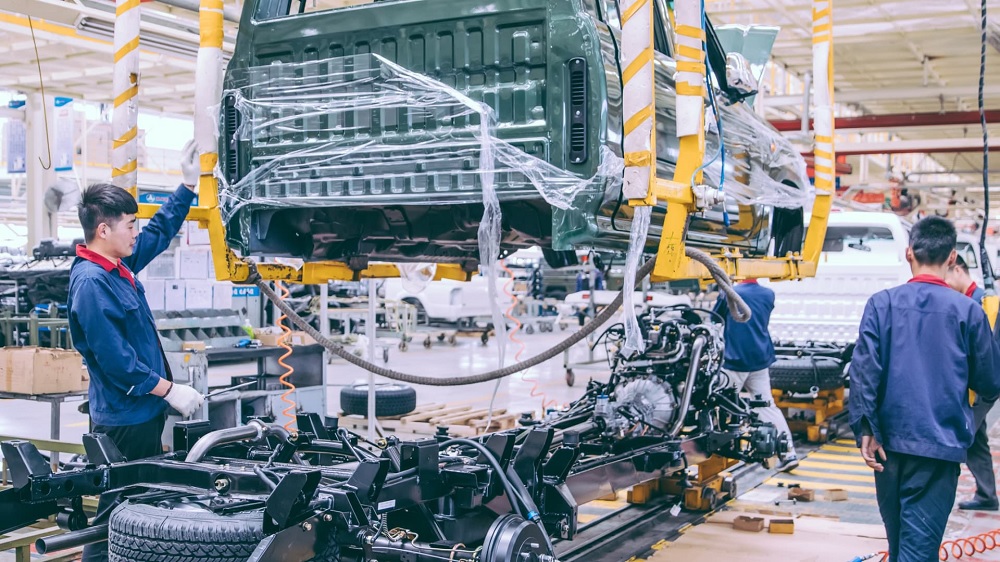
In its earliest days, the automobile was an object of wonder and exclusivity. Crafted by hand and owned by the elite, cars like the 1908 Model T later revolutionized this privilege, making mobility accessible to the masses. Henry Ford’s assembly line didn’t merely change how cars were built—it transformed the entire ethos of modern manufacturing. Suddenly, the car was no longer a novelty but a household asset, one that promised families the power to explore and connect in ways once unimaginable.
Throughout the 20th century, this promise expanded in tandem with industrial ambition. American muscle cars, European sports icons, and Japanese efficiency machines all offered distinct interpretations of what the car could be—status symbol, performance marvel, or practical workhorse. Highways stretched across continents, suburbs bloomed around garages, and the notion of a life without cars became, for many, inconceivable.
The Turning Point: When the Wheels Began to Turn on Us
However, the success of the auto industry brought unforeseen consequences. Environmental degradation, oil dependency, and urban gridlock turned the car from a symbol of liberty into, paradoxically, a source of constraint. Cities choked on smog, streets filled beyond capacity, and climate science made it impossible to ignore the emissions trailing from millions of tailpipes.
This turning point forced a question once unthinkable: Could the very invention that once liberated us be redesigned to save us?
The Rise of Electric Vehicles: From Niche to Necessity
One answer emerged in the quiet hum of an electric motor. The electric vehicle, or EV, was not a novel concept—early cars at the dawn of motoring history were often electric. Yet for decades, cheap oil and limited technology kept batteries in the shadows. That changed dramatically in the early 2000s, when climate urgency and technological leaps converged.
Tesla, once an ambitious start-up, turned heads with sleek, high-performing EVs that proved electric cars could be desirable rather than dutiful. Traditional automakers, once skeptical, have since scrambled to catch up, pouring billions into battery research, manufacturing capacity, and public charging infrastructure.
Key Advantages Driving EV Adoption:
-
Zero Tailpipe Emissions: Directly cuts air pollution and greenhouse gases.
-
Lower Operating Costs: Fewer moving parts, cheaper ‘fuel,’ and reduced maintenance.
-
Technological Synergy: EVs integrate seamlessly with renewable energy sources and smart grids.
Of course, challenges remain. Battery production demands vast quantities of minerals like lithium and cobalt, raising concerns about ethical sourcing and environmental impacts. Charging networks in rural areas lag behind urban centers, and upfront costs, while declining, still deter some buyers. Nonetheless, the trajectory is clear: the future is electric, whether the transition takes twenty years or ten.
Self-Driving Cars: Reimagining Who’s at the Wheel
Parallel to the electric surge is the dawn of autonomy. Once confined to science fiction, self-driving cars are now test-driving themselves through real city streets, collecting data with every mile. Companies like Waymo, Cruise, and tech-forward giants like Tesla have invested immense resources into refining autonomous technology.
Potential Benefits of Autonomous Vehicles:
-
Enhanced Safety: Human error accounts for most traffic accidents; automation could drastically reduce fatalities.
-
Productivity Gains: Commutes could become working hours or leisure time.
-
Expanded Access: Individuals unable to drive—due to age or disability—could gain new mobility.
Yet the path to full autonomy is riddled with ethical dilemmas and technical hurdles. Can machines truly interpret the chaotic dance of urban traffic? Who bears legal responsibility when something goes wrong? Governments and industries alike are grappling with regulations that balance innovation with public safety.
Smart Cars and the Era of Connectivity
Today’s vehicles have evolved into digital extensions of our lives. From dashboard infotainment systems to real-time navigation, cars have become smart devices on wheels. Connectivity goes beyond convenience; it opens doors to predictive maintenance, over-the-air software updates, and the integration of vehicles into the broader Internet of Things.
Notable Connectivity Features:
-
Advanced Telematics: Monitor vehicle health, driving habits, and route optimization.
-
Enhanced Safety Systems: Collision alerts, lane assist, and automatic braking.
-
Personalization: User profiles, voice assistants, and seamless integration with smartphones.
However, with great connectivity comes great responsibility. Data privacy looms large as cars collect vast amounts of personal information. Cybersecurity threats could pose risks not only to data but to physical safety if systems are compromised.
Designing for a New Era: Aesthetics Meet Sustainability
Automotive design has always reflected societal tastes—from the tail fins of the 1950s to the aerodynamic silhouettes of today. Yet form now must serve function in new ways. Lightweight materials, sustainable textiles, and minimalist interiors characterize the modern green vehicle. Recycled plastics, plant-based leather, and energy-efficient manufacturing practices are no longer niche—consumers expect them.
Key Trends in Modern Auto Design:
-
Minimalist Interiors: Focused on comfort and user-friendly interfaces.
-
Sustainable Materials: Vegan leather, bamboo accents, and recycled metals.
-
Aerodynamics: Shapes that reduce drag, boosting range and efficiency.
The Road Ahead: Challenges and Opportunities
For all its promise, the auto industry’s reinvention is far from simple. Supply chains must adapt to new materials and technologies. Charging infrastructure must keep pace with demand. Policymakers must balance incentives for green innovation with support for workers whose jobs may disappear as factories automate or pivot away from combustion engines.
Consumers, too, hold power in this transition. Every choice to purchase an electric car, embrace ride-sharing, or support companies with transparent supply chains nudges the industry closer to a sustainable future.
Practical Steps for Today’s Drivers:
-
Stay Informed: Research your vehicle’s full lifecycle impact.
-
Drive Efficiently: Adopt habits that minimize fuel or battery consumption.
-
Advocate: Support policies that invest in clean transportation and renewable energy.
Conclusion: Steering Into Tomorrow
The story of the automobile is ultimately a story about us—our needs, our ingenuity, and our responsibility to the generations who will inherit the roads we build today. In its next chapter, the auto industry must do more than transport us from point A to B; it must transport us to a future where progress and preservation go hand in hand.
