
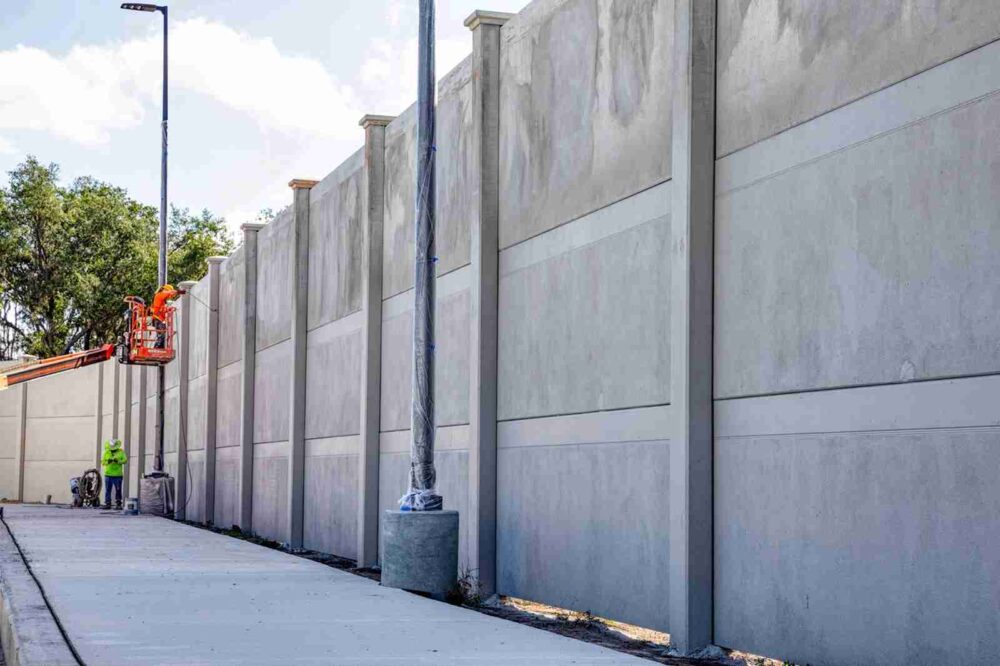
Understanding Sound Barrier Walls: What Are They and How Do They Work?
The Science Behind Sound Barriers: How Do They Muffle Noise?
Sound barrier walls, often erected along highways, railways, and busy urban areas, are structures designed specifically to reduce noise pollution. The science behind how these barriers function is rooted in principles of acoustics and sound waves. To muffle noise, these walls must effectively absorb and reflect sound energy. When a sound wave hits a barrier, a portion of its energy is absorbed, while the remainder is either reflected back or diffracted around the barrier. The effectiveness of sound barriers depends on several factors, including height and mass. Generally, the taller and denser the wall, the better it can block low-frequency sounds, which are the most challenging to mitigate.
In urban settings where noise from traffic, construction, or heavy machinery is rampant, sound barriers can significantly alter the acoustic landscape, providing communities with a much-needed respite from cacophony. These barriers do not eliminate sound entirely but can reduce noise levels by 5 to 15 decibels, translating to a noticeable difference for residents. The efficacy of sound barriers also hinges on their design. Innovations within physics have led to the creation of specialized barriers that employ absorption materials—like porous concrete—enhancing their ability to minimize sound transmission.
Types of Sound Barrier Walls: Which One is Right for Your Urban Space?
There are various types of sound barrier walls available, each suited for different environments and specific noise mitigation needs. The most common include earth berms, concrete walls, wooden panels, and synthetic walls. Earth berms are mounds of earth that can naturally blend into the environment while providing effective sound insulation. They are particularly advantageous in areas where aesthetics and integration with the natural landscape are priorities.
Concrete walls, on the other hand, are prevalent in urban settings due to their durability and performance in reducing noise. They can be precast or cast-in-place, with varying heights and designs to suit the specific needs of the area. For a more visually appealing option, wooden panels can be used, which offer considerable sound dampening while also providing a warm, natural look. These, however, may require more maintenance due to the susceptibility of wood to weathering.
Lastly, synthetic sound barriers have emerged in recent years, constructed from materials like recycled plastics. These are lightweight, easier to transport, and often more cost-effective than traditional materials, making them an attractive option for municipalities looking to reduce costs without compromising on performance.
Materials Matter: The Best Choices for Effective Noise Reduction
Material selection plays a crucial role in the overall effectiveness of sound barrier walls. The best materials for sound reduction often possess two essential qualities: mass and absorptive capabilities. Heavy materials such as concrete, brick, or specially formulated dense composites are excellent choices due to their mass, which assists in blocking sound transmission. Additionally, the surface texture and porosity of materials can influence sound absorption.
For instance, concrete walls with added textures or coatings can enhance sound absorption qualities by trapping sound waves. Similarly, materials like fiberglass or specially designed acoustic panels embedded into the barrier can enhance performance, allowing for dual functionality—serving both as sound barriers and artistic design elements in public spaces. It’s also worth noting that the climate and environmental conditions of the urban setting will dictate the best materials. For places with heavy rainfall or extreme temperatures, weather-resistant materials like vinyl-coated wood or specialized types of concrete with additives provide longevity without compromising acoustic performance.
The Advantages of Sound Barrier Walls: More Than Just Peace and Quiet
Enhancing Quality of Life: How Sound Barriers Create Peaceful Urban Oases
The benefits of sound barrier walls extend beyond mere noise reduction; they serve as a vital component in enhancing the quality of life for urban residents. Noisy environments can contribute to a myriad of health issues including sleep disturbances, stress, and decreased overall well-being. By incorporating sound barriers into urban planning, city officials can create “acoustic oases,” areas within bustling cities where individuals can find solace from the relentless sounds of urban life.
This acoustic relief translates into more than just quieter homes; it fosters environments conducive to social interactions, mental peace, and improved productivity. Enhanced well-being contributes significantly to community cohesion, as people can engage more freely in outdoor activities like parks or community gatherings without the intrusion of disruptive noise. Furthermore, quieter urban spaces can catalyze an uptick in local businesses as patrons gravitate toward peaceful environments for dining and leisure.
Boosting Property Values: The Economic Upside of Noise Control
Increased noise pollution is a significant deterrent to homebuyers, impacting real estate values in urban areas. Research indicates that properties located near major roads or noisy environments can lose substantial value over time—often by as much as 20% to 30%. The installation of sound barriers, however, can counteract this phenomenon effectively. Properties situated adjacent to sound barriers often regain appeal, experiencing increased demand among buyers seeking a quieter, more serene living space.
Additionally, municipal investments in sound barrier technologies can enhance an area’s overall attractiveness, encouraging development, attracting new businesses, and increasing tax revenues. The broader economic implications are clear: reduced noise pollution and improved property values can substantially benefit local economies as businesses thrive and residents enjoy higher quality lives in their chosen neighborhoods.
Environmental Benefits: Protecting Wildlife and Promoting Biodiversity
Beyond human health, sound barrier walls also offer substantial environmental benefits, especially in urban areas that coexist with natural habitats. Excessive noise pollution can disrupt the behavioral patterns of wildlife, including their feeding, mating, and migration processes. By implementing sound barriers, cities can create safe zones that shield sensitive species from noise disruptions, fostering biodiversity.
Moreover, these barriers can be designed to enhance ecological integrity by incorporating plant life. Green sound barriers, comprising vegetative layers or living walls, facilitate a dual function: they mitigate noise while simultaneously offering wildlife habitats and contributing to carbon sequestration. This trend towards sustainable urban planning reflects a growing recognition of the interplay between urban development and ecological preservation, marking a significant step forward in urban environmental stewardship.
Challenges and Considerations: The Flip Side of Sound Barrier Walls
Cost vs. Benefit: Are Sound Barriers Worth the Investment?
Despite the overwhelming benefits that sound barrier walls provide, there are challenges associated with their implementation that must be carefully weighed. The initial installation costs can be substantial, particularly for high-performance barriers built from durable materials. Local governments and urban planners need to consider budgetary constraints, return on investment, and long-term maintenance expenses when deciding to deploy sound barriers.
While the immediate effects of noise reduction can enhance property values and quality of life, the question persists—do the long-term benefits justify the costs? Case studies have shown that communities that prioritize sound barrier investments often observe increases in property taxes, a boon for local economies. However, investing requires clear communication to stakeholders about projected outcomes, as well as thorough research to define the expected time frame for returns.
Design Dilemmas: Balancing Aesthetics and Functionality in Urban Planning
Design plays a crucial role in determining the success of sound barriers. Beyond functionality and effectiveness, the visual appeal of sound barriers is an essential consideration in urban planning. Barriers that appear obtrusive or unattractive can detract from the aesthetic properties of a community, leading to public opposition and potential delays in project implementation.
Urban planners and designers are increasingly exploring innovative solutions that enhance both the utility and beauty of sound barriers. Artistic designs, murals, green walls, or transparent materials can help integrate walls into the urban landscape rather than making them stand out as eyesores. It’s about achieving a balance—ensuring that installations serve their purpose while enriching the visual tapestry of the city, treating sound barriers as integral elements of urban art rather than purely functional structures.
Maintenance Matters: How to Ensure Long-lasting Performance
The maintenance requirements of a sound barrier wall are crucial to ensure its sustained performance over time. Different materials necessitate varying levels of upkeep. For instance, wooden barriers may require regular treatments to prevent rot, while concrete might demand infrequent but rigorous inspections to ensure structural integrity. Failure to maintain these installations can lead to diminished effectiveness in sound dampening and can impose further costs due to repairs or replacements.
Implementing a routine maintenance plan is essential, often involving inspections to assess wear and tear, particularly after extreme weather events. Communities that engage residents in maintaining these installations, perhaps through volunteer programs or local governance initiatives, can foster a sense of ownership and stewardship over their noise-reduction measures, contributing to longer-lasting benefits.
The Future of Sound Barrier Technology: Innovations on the Horizon
Smart Sound Barriers: Integrating Technology for Enhanced Performance
The future of sound barrier technology looks promising, with the potential for smart systems that enhance noise reduction strategies and integrate seamlessly into urban infrastructure. Emerging innovations are leaning toward the use of intelligent materials and sensors that can adapt and respond to changing sound environments in real-time.
For instance, barriers equipped with noise-monitoring sensors can assess decibel levels and adjust their sound-absorptive qualities accordingly. This synergy between technology and urban planning could represent a paradigm shift, maximizing effectiveness while minimizing costs and ecological impacts. Furthermore, smart barriers may connect with city-wide sound management systems, providing insights that help urban planners make more informed decisions about noise control strategies as cities expand.
Sustainability in Design: Eco-Friendly Materials and Practices
As sustainability becomes a focal point in urban planning, the construction of sound barriers is shifting towards eco-friendly practices and materials. Innovative use of recycled materials not only reduces waste but also imbues barriers with new life while enhancing their effectiveness. The use of composite materials that mimic natural elements or incorporate solar panels for energy generation are gaining traction, championing a more sustainable approach to urban development.
The incorporation of plant life into sound barriers is also a growing trend. Green barriers not only provide effective sound mitigation but also contribute to urban biodiversity, air purification, and beautification efforts. As cities grapple with the consequences of climate change, sustainable sound barriers offer a holistic approach to noise reduction that aligns with broader environmental goals.
Urban Planning Trends: Rethinking City Designs for a Noiseless Future
Finally, urban planning as a discipline is evolving, embracing the need for integrated solutions that include sound barriers as part of comprehensive strategies for noise management. As metropolitan areas continue to grow, the challenge of noise pollution will increasingly dominate community discussions. Recognizing that urban design can directly influence sound propagation patterns, planners are reconfiguring spatial layouts to include noise reduction measures.
Zoning laws that prioritize mixed-use developments, green spaces, and pedestrian-friendly infrastructure can reduce noise at the source, promoting sound barriers as complementary features rather than mere afterthoughts. Future urban landscapes will likely showcase not just barriers, but cohesive, multidimensional environments that thoughtfully engage sound as a critical component of city life.
In conclusion, sound barrier walls represent a vital tool in the quest for quieter, more livable urban environments. Their benefits extend beyond noise reduction, impacting community health, property values, and environmental sustainability. However, careful consideration of design, costs, maintenance, and emerging technologies will ensure these barriers effectively meet the challenges posed by modern urbanization. By rethinking how cities approach noise management, we can lead communities toward a more harmonious coexistence with both urban life and nature.
FAQ
Question: How can residents participate in the maintenance of sound barrier walls? – Residents can engage in maintenance by forming volunteer groups or partnerships with local governments to regularly inspect and care for sound barriers, fostering community ownership and stewardship.
Question: What are the long-term environmental impacts of sound barrier walls? – Sound barrier walls can enhance biodiversity by creating safe zones for wildlife, improve air quality through the incorporation of plants, and contribute to carbon sequestration, thereby supporting overall ecological health.
Question: Can sound barriers be customized for specific aesthetics? – Yes, sound barriers can be designed with artistic elements, murals, or plant life, allowing them to blend into their urban surroundings while still serving their primary noise-reduction purpose.
Question: What role do smart technologies play in the future of sound barriers? – Smart technologies can enable sound barriers to adapt their sound-absorptive qualities in real-time based on noise levels, thereby enhancing their effectiveness and integrating them into overarching city sound management systems.
Question: What are some innovative materials being used in the construction of sound barriers? – Emerging materials include recycled plastics, composite materials that mimic natural elements, and weather-resistant substances, all of which enhance durability and sustainability in sound barrier construction.
Question: How do sound barriers influence urban planning strategies? – Urban planning is increasingly incorporating sound barriers as integral components, leading to zoning that prioritizes mixed-use developments and designs that help mitigate noise at the source.
Question: Are there funding options available for communities looking to install sound barriers? – Yes, communities can explore various funding options, including federal grants, municipal budgets, and partnerships with private organizations focused on urban development and sustainability.
Question: What challenges do urban planners face when implementing sound barriers? – Urban planners must navigate challenges such as initial costs, long-term maintenance, community acceptance regarding aesthetic impacts, and ensuring the barriers effectively integrate into existing urban landscapes.
