
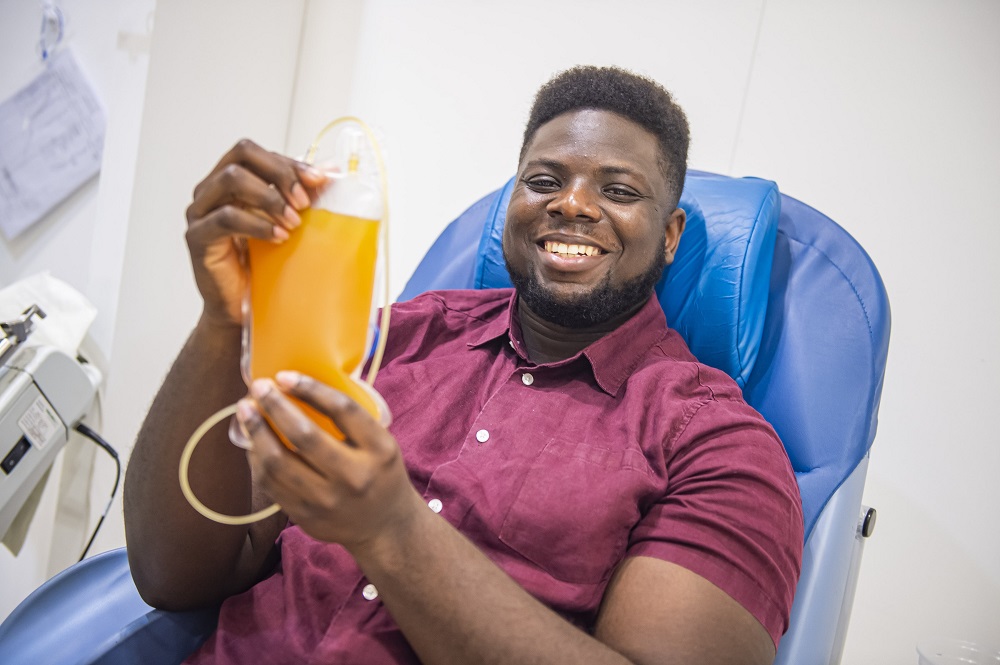
The Science Behind Plasma: What Makes it So Special?
Understanding Plasma: More Than Just a Component of Blood
Plasma, the liquid component of blood, comprises approximately 55% of its total volume and is critical for various bodily functions. Its composition includes water, electrolytes, proteins, hormones, nutrients, and waste products, making it a complex but essential fluid. Unlike red blood cells which transport oxygen or white blood cells which are integral to our immune response, plasma serves as a medium through which these and other components travel throughout the body. This unique blend of components allows plasma to perform vital functions such as maintaining blood pressure, regulating body temperature, and facilitating the exchange of nutrients and waste products between blood and tissues.
Moreover, plasma’s protein makeup is particularly noteworthy. Key proteins like albumin, immunoglobulins, and clotting factors play significant roles in sustaining health. Albumin, for instance, helps maintain osmotic pressure, which is vital for fluid balance within the body. Immunoglobulins, or antibodies, are crucial for the immune response, aiding the body in combating infections. Clotting factors prevent excessive bleeding through their essential role in blood coagulation. This multifunctional capacity highlights why plasma is revered as a therapeutic resource in medicine.
The Crucial Role Plasma Plays in Modern Medicine
The significance of plasma in contemporary medicine cannot be overstated. It is at the heart of many treatments and therapies, particularly for chronic illnesses or conditions that demand continual care. For instance, patients suffering from immune deficiencies often rely on immunoglobulin therapy, which directly uses plasma-derived immunoglobulins to boost their immune response. Similarly, patients with hemophilia, a disorder in which blood does not clot properly, benefit from clotting factor concentrates derived from donated plasma, thereby enabling them to lead more normal lives.
Additionally, plasma is pivotal in the realm of transfusion medicine. Plasma transfusions are routinely administered to patients who have lost significant blood volume due to trauma or surgery. The presence of clotting factors in plasma can significantly reduce the risk of life-threatening hemorrhages. Furthermore, as researchers continue to unravel the complexities of plasma, its therapeutic potentials keep expanding, paving the way for innovative treatments in areas like regenerative medicine and cellular therapies.
How Plasma Donation Contributes to Life-Saving Treatments
The simple act of donating plasma can ripple out into profound, life-saving consequences. Each donation has the potential to save multiple lives. Plasma, when separated into its components—notably albumin, clotting factors, and immunoglobulins—can be utilized to prepare a variety of life-saving medications and treatments. For instance, one donation can produce enough clotting factor to treat several hemophilia patients for an extended period. This illustrates how every single donation is an opportunity to impact multiple patients, providing them with hope and critical care.
Furthermore, during health crises, such as pandemics, the demand for plasma skyrockets, particularly convalescent plasma, collected from individuals who have recovered from infectious diseases. This plasma, rich in antibodies, can significantly aid in treating patients currently battling the disease. As such, the selfless act of plasma donation becomes even more crucial during these times, underlining the vital relationship between donors and recipients in the healthcare ecosystem.
Why Choose San Diego for Plasma Donation?
The Thriving Plasma Donation Community in America’s Finest City
San Diego, renowned for its sunny beaches and vibrant culture, also boasts a robust community dedicated to plasma donation. The city’s active lifestyle promotes health and wellness, making it a prime location for individuals who seek to give back to their community through altruistic means. The diverse population in San Diego ensures a constant influx of potential donors, contributing to a varied pool that meets the immense and unique needs of hospitals and treatment facilities across the region.
This thriving donation community is bolstered by numerous educational campaigns that aim to inform residents about the importance of plasma donation. Local organizations and blood banks host events to raise awareness, emphasizing the critical need for plasma and the ease of the donation process. Engaging with the community on this level strengthens the bond among participants and enhances the overarching goal of saving lives through collective efforts.
Top Facilities in San Diego: Where Quality Meets Care
San Diego is home to several top-tier plasma donation centers, each meeting stringent safety regulations and providing a high standard of care. Facilities such as the BioLife Plasma Services and Grifols Biomat USA have been recognized for their commitment to donor safety and comfort. These facilities offer comfortable environments, well-trained staff, and state-of-the-art technology to ensure a seamless donation experience.
Upon entering these centers, donors are greeted with a welcoming atmosphere, where their comfort and well-being are prioritized. Pre-donation check-ups, including health assessments and education about the donation process, are performed to ensure donors are fit for the procedure. The proprietary methods used in plasma collection—generally via a process called plasmapheresis—are gentle and sophisticated, allowing for a quick and efficient donation while ensuring the donor’s minimal discomfort.
Local Success Stories: Real Lives Impacted by Your Donation
In San Diego, there are countless success stories of individuals whose lives have been transformed thanks to plasma donation. Take, for example, Sarah, a local nurse who suffered from a rare autoimmune disease. After experiencing severe deficiencies in her immune response, she was able to receive lifesaving treatment that relied on immunoglobulins derived from plasma donations. With therapy, she regained her health and returned to the workforce, now advocating for plasma donation in her community.
Similarly, the story of Michael, a young athlete who experienced a traumatic injury leading to serious blood loss, highlighted the impact of plasma in emergency care. He received multiple plasma transfusions that stabilized his condition and saved his life. Inspiring narratives like these not only illustrate the direct implications of plasma donation but also create a sense of community among donors and recipients, binding them through shared experiences and hope.
The Donation Experience: What to Expect and How to Prepare
Step-by-Step Guide: From Registration to Refreshments
Understanding the donation process can alleviate anxiety and equip first-time donors with the knowledge they need to prepare. The journey begins with registration, where potential donors fill out essential paperwork that addresses their medical history and consent for the donation. This step is crucial as it ensures all health regulations are followed, safeguarding donor health and the quality of the collected plasma.
Next, donors undergo a brief medical examination, including a check of their vital signs and hemoglobin levels, to verify their eligibility. After passing these assessments, donors are guided to comfortable reclining chairs equipped with amenities such as pillows and blankets to ensure relaxation during the donation process. The plasmapheresis process typically takes around 45 minutes to an hour. During this time, donors can engage with entertainment options offered by the facility, such as TV shows or music playlists, making the experience enjoyable.
Once the donation is complete, donors are invited to the refreshment area, where a variety of snacks and beverages await. This step is vital for replenishing energy levels and promoting recovery post-donation. Staff members remain available to provide guidance and ensure that each donor feels comfortable and valued throughout their experience.
Tips for First-Time Donors: Overcoming Common Fears
First-time donors often experience apprehension, which is completely normal. One of the best strategies to overcome fear is to educate oneself about the entire process: knowing what to expect can ease anxiety. It can be beneficial for potential donors to attend a pre-donation orientation session where they can ask questions and hear from experienced donors.
Additionally, it is advisable for individuals to hydrate well before their appointment, as this can facilitate an easier donation. Being well-rested and having a light snack prior can also help in boosting energy levels. Importantly, sharing concerns with staff during the screening or donation process can provide further reassurance, as trained professionals are well-equipped to address any anxiety or discomfort. Finally, reminding oneself of the significant impact their donation will have on patients can transform fear into a sense of purpose, making the experience empowering.
Post-Donation Care: How to Maximize Recovery and Comfort
Recovering from a plasma donation is a seamless process for most donors, though it still requires some attention to self-care. One of the key pieces of advice is to rest for a few minutes after the donation to allow the body to adjust. Post-donation fatigue can occur, so taking time before resuming regular activities is essential. It is also crucial to rehydrate effectively; donors are often encouraged to drink plenty of fluids for the rest of the day. This helps replenish the plasma volume lost during donation.
Furthermore, a balanced diet rich in iron, protein, and vitamins will support a smooth recovery. Foods such as leafy greens, lean meats, fruits, and whole grains should be prioritized post-donation. Avoiding strenuous activities for at least 24 hours can allow the body to recuperate fully, while also steering clear of alcohol consumption after donation is advisable, as it can hinder the recovery process.
Your Impact: The Ripple Effect of Your Generosity
How Plasma Donation Saves Lives and Fuels Research
The outcome of each plasma donation extends far beyond the individual donor, shaping the very fabric of medical treatments and research. Plasma donation is not only vital for immediate patient care but is also instrumental in fueling advancements in medical research. As more discoveries about diseases and treatments unfold, the need for more extensive plasma supplies grows, directly linking the need for donors to ongoing research and innovation.
Through collaborative efforts with universities and research institutions, donated plasma can often be utilized in clinical trials to test new therapies. This not only accelerates the pace of scientific discovery but also opens doors to the development of cutting-edge treatments for previously untreatable conditions. By participating as a donor, one is contributing not just to immediate patient care but also to the collective knowledge that propels the entire field of medicine forward.
The Vital Connection Between Donors and Patients in Need
Ultimately, plasma donation fosters an unbreakable link between donors and recipients. Each donor becomes part of a larger narrative that revolves around human connection and the shared journey for health and healing. Donors can find solace in knowing that their contributions are making a tangible difference in the lives of countless individuals facing health challenges. This personal connection not only reinforces the importance of donations but cultivates a sense of community and solidarity among participants and recipients.
Stories of those who have benefitted from plasma donations often circulate within donor communities, building a cycle of encouragement and hope. A single donor’s impact resonates broadly, showing the profound reliance of patients on the generosity of their fellow community members. This bond emphasizes how accessible and convenient giving plasma can be—transforming mere acts of kindness into powerful movements for health and wellness.
Joining a Cause: Becoming Part of a Larger Community Effort
Involvement in plasma donation offers individuals an opportunity to become active participants in a greater cause. Plasma donors contribute not only to medical advancements but also support local communities grappling with various health challenges. Many donation centers host events throughout the year, creating a supportive environment where community members can come together to raise awareness and share their experiences. This camaraderie amongst donors creates lasting friendships, energizes individual donors, and fosters a culture of giving.
Moreover, engaging in plasma donation opens possibilities for advocacy and education on broader health issues. As donors connect with other community members, they may find themselves more inclined to speak about health, wellness, and the importance of blood donations, leading to increased advocacy for healthcare improvements. This ripple effect fosters a coordinated approach, where the collective effort can lead to real, substantive changes across the healthcare landscape.
In conclusion, plasma donation in San Diego epitomizes a convergence of science, community spirit, and personal impact. As individuals choose to donate, they not only address the immediate needs of patients but also contribute to a framework that enhances health, fosters innovation, and builds a supportive network. With every donation, they can rest assured knowing they are part of a life-saving cause that matters profoundly to those in need.
FAQ
Question: What is the eligibility criteria for donating plasma? – Generally, individuals must be at least 18 years old, weigh a minimum of 110 pounds, and be in good health. Specific criteria may vary by donation center.
Question: How often can someone donate plasma? – Donors can typically donate plasma every 28 days, but the frequency may depend on the policies of the donation center.
Question: Can plasma donation affect an individual’s immune system? – While plasma donation can temporarily lower immunoglobulin levels, the body generally replenishes these levels quickly, minimizing any long-term effects on the immune system.
Question: Are there any risks associated with donating plasma? – Most donors experience minimal risks, such as light bruising, dizziness, or fatigue, but serious complications are rare when proper guidelines are followed.
Question: What type of training do plasma donation center staff receive? – Staff members are trained in medical, safety, and customer service protocols to ensure a safe and positive experience for all donors.
Question: What happens to the plasma after it’s donated? – Upon donation, plasma is tested, processed, and separated into its components, which are then used for treatments, therapies, and medical research.
Question: Can individuals with certain medical conditions donate plasma? – Those with some medical conditions may still be eligible to donate plasma, but each individual’s health status is evaluated on a case-by-case basis during the screening process.
Question: How does plasma donation impact local communities? – Plasma donation helps ensure a steady supply for hospitals, promotes community involvement, and supports local health initiatives by addressing critical healthcare needs.
