
The Anatomy of Double Hung Windows: Understanding Their Design
Breaking Down the Components: What Makes Them Unique
Double hung windows are a timeless choice for many homeowners, combining both traditional aesthetics with modern functionality. At first glance, these windows are composed of two movable sashes—frames that hold the glass—allowing for versatile operation. The sashes slide vertically within the frame, providing unhindered access to both the top and bottom portions of the window. Key components include the top and bottom sashes, pulleys, and weights or springs that facilitate the smooth operation of the sliding mechanism. Each component plays a crucial role in the performance and reliability of the window; for instance, the balance system ensures that the sashes remain stable while adjusting for airflow. Additionally, most modern double hung windows come equipped with various insulating features, such as double or triple glazing, Low-E coatings, and argon gas fill, enhancing energy efficiency and noise reduction, making them a sound investment for any home.
The Mechanics of Operation: How Double Hung Windows Work
The operational mechanics of double hung windows are grounded in simplicity and efficiency. Each sash operates independently, allowing versatile ventilation options. When you slide the bottom sash upward, fresh air can fill the room from below, while simultaneously, you can lower the top sash to expel stale air trapped near the ceiling. This natural cross-ventilation is ideal for maintaining indoor air quality, especially during warmer months. Moreover, the frictionless operation of the sashes is the result of a well-engineered balance system, whether it uses springs, weights, or a modern tilt mechanism. Certain models are designed with a tilt-in feature, which allows each sash to pivot inwards for easier cleaning and maintenance. This combination of functionality and ease of use has made double hung windows a staple in both historical and contemporary architecture, offering homeowners the ability to enjoy fresh air without sacrificing aesthetics.
Why Choose Double Hung? The Benefits Over Other Styles
The choice of double hung windows comes with a multitude of advantages that often place them above other window styles, such as casement or slider windows. One significant benefit is their versatility in design and function; they seamlessly blend with various architectural styles, from Colonial to modern homes. Unlike casement windows which swing outwards and can be obstructed by exterior elements, double hung windows allow for ventilation without extending into the surrounding space. This practical design is ideal for urban settings or areas with high winds, where open windows can become a hazard. Moreover, energy efficiency is a major selling point. With advancements in technology, double hung windows are now available with energy-efficient glass options and insulating frames, which can significantly reduce heating and cooling costs. Additionally, the ability to easily clean both sides of the glass from inside the home enhances convenience, saving time and effort. The myriad advantages of double hung windows make them not just a functional element of your home but a crucial investment in comfort and efficiency.
Pre-Installation Preparation: Getting Ready for the Big Day
Measuring Like a Pro: Ensuring Perfect Fit and Functionality
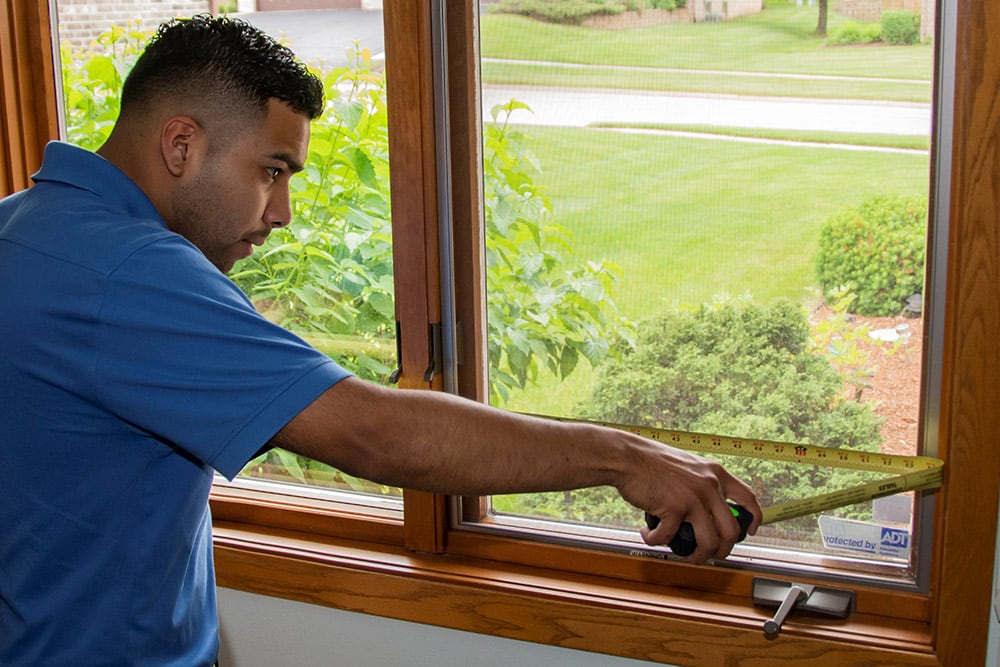
Before you embark on the exciting journey of installing double hung windows, proper preparation is essential to ensure a seamless process and optimize performance. Accurately measuring the window opening is vital. To do this effectively, start by measuring the width and height of the opening at three different points – the top, middle, and bottom for width, and the left, middle, and right for height. Take the smallest measurement for both width and height to determine the size of the new window; this helps account for any discrepancies in the wall framing. It’s also prudent to measure the depth of the window frame, ensuring the new window fits snugly without any additional alterations. Additionally, assessing the surrounding frame for signs of rot or damage is crucial. This evaluation will help decide if any repairs are needed to ensure a proper fit. Understanding these dimensions and the condition of your existing frame will not only guide you in selecting the right window size but also contribute to a superior installation outcome.
Essential Tools for Installation: Gear Up for Success
Equipping yourself with the right tools is paramount for a successful double hung windows installation. First on the list are the basic hand tools such as a tape measure, level, and square tool, all of which are essential for measuring and verifying that the window frame is square. A pry bar will help you remove any old windows and trim with ease while a utility knife is critical for cutting any weather-stripping or insulation material needed during the installation. A power drill with the appropriate bits will aid in fastening screws, while a stud finder is useful to locate framing members for proper anchoring of the window unit. Safety gear is also crucial; don’t forget gloves and safety glasses when handling glass and power tools. Lastly, consider having caulking tools and insulation materials on hand, including spray foam insulation for sealing gaps around the window. Preparing this toolkit in advance of your installation day is key to a smooth process; it will save you from interruptions and potential complications along the way.
Weathering the Storm: Addressing Challenges Before They Arise
Every DIY enthusiast knows that preparation is just as important as the actual installation. Double hung window installation can present various challenges, particularly if you’re not prepared for them. Weather plays a significant role; it’s advisable to plan your installation on a dry day to avoid complications with caulking and sealing products. Wind and rain can compromise your work and lead to potential leaks down the road. Additionally, familiarize yourself with local building codes and regulations governing window installation, as failure to comply could result in costly fines or required rework. Double check that your windows meet energy efficiency standards mandated for your area. Moreover, consider the structural integrity of your home’s walls and framing before installation. Should you discover any rot, mold, or structural issues, these must be resolved prior to proceeding. Lastly, don’t underestimate the challenge of working in tight spaces; ensure you have ample room to maneuver and that you can safely operate any tools without restriction. Addressing these potential issues before they become problematic will significantly enhance your chance of a successful installation.
Step-by-Step Installation: Transform Your Space with Style
Removing Old Windows: Techniques for a Smooth Transition
Removing old windows is a pivotal step in the installation process of double hung windows, and taking the right approach is essential for both safety and efficiency. Begin by carefully removing any interior trim around the window; use a utility knife to cut the paint seal and a pry bar to gently lift the trim without damaging the surrounding drywall. Once the trim is off, you’ll have access to the screws or fasteners holding the window in place. Before removing the old window, ensure you have a workspace laid out to support the new window, as this not only aids in organization but also reduces the risk of accidents. You may need to remove the window stops, the thin wooden strips that hold the window in place. If old counterweights are present in the side channels, they will also need to be detached. For windows that have been painted shut, a careful application of a utility knife may be necessary to free them. Finally, with a partner, lift the old window out of the frame, ensuring not to drop it, which can result in injury or damage to your home.
Installing Your Double Hung Windows: Expert Tips You Can’t Miss
With the old window removed, it’s time to install the new double hung window. Start by placing the window unit into the prepared opening, ensuring that it is centered and rests evenly against the surrounding frame. Begin by shimming the bottom of the window to ensure it’s level. Utilize a level tool to check that both horizontally and vertically the window is aligned correctly. Once satisfied with the positioning, secure the window in place by driving screws through the provided installation flanges or brackets. This critical step helps to stabilize the window and ensures it can withstand the elements, including wind and rain. Be cautious not to over-tighten the screws as this could warp the frame. After securing, check the operation of the window to ensure the sashes slide smoothly and that the window can be tilted if applicable for cleaning. Once everything is tight and functioning properly, proceed to add insulation around the frame for energy efficiency. It’s beneficial to use low-expansion spray foam insulation, which provides a solid seal without distorting the window frame.
Sealing the Deal: Ensuring Energy Efficiency and Durability
Sealing your double hung window installation is a critical final step that significantly impacts energy efficiency and longevity. After the window is mounted securely, it’s time to apply high-quality exterior caulk around the frame to prevent water intrusion and air leaks. Select a caulk that is rated for exterior use and has flexibility to accommodate seasonal temperature changes. A bead of caulk should be applied along the perimeter where the frame meets the house structure, ensuring that joints are sealed tight. Additionally, if you’ve added insulation, check to ensure it is not overstuffed, as this can push out the frame or create gaps, leading to energy loss. You may want to consider applying a weather-resistant barrier or flash around the window as an added layer of protection against moisture. Once sealed, it’s essential to perform a final inspection to confirm both function and finish; check all the locking mechanisms, ensure smooth operation of the sashes, and look for any final adjustments to be made. This meticulous approach will not only enhance the appearance of your windows but also extend their lifespan by minimizing wear and tear caused by environmental factors.
Post-Installation Care and Maintenance: Keeping Your Windows Pristine
Cleaning Tips and Tricks: A Clear View for Years to Come
Maintaining the beauty and function of double hung windows goes beyond the installation process; proper cleaning and routine maintenance play an essential role in their longevity. Start by establishing a regular cleaning schedule, ideally during temperate seasons when weather is mild. For basic cleaning, a mixture of warm, soapy water and a microfiber cloth will suffice; avoid harsh detergents which can erode the finish or sealants. For the glass panes, use a glass cleaner or a vinegar-water solution for streak-free shine, taking care to clean from top to bottom to prevent drips. Given that double hung windows often include a tilt-in feature, take advantage of this for an efficient clean—gently tilt each sash into the room for easier access to the exterior glass and frame. Do not forget the window tracks; clear any dirt or debris that may hinder proper operation. Emphasizing maintenance will not only enhance the view from your windows but also protect the frames and sashes from premature wear due to environmental exposure.
Identifying Common Issues: Troubleshooting Your Double Hung Windows
Like any feature in your home, double hung windows can occasionally encounter issues that need addressing. One common problem is difficulty in opening and closing the sashes, which may result from dirt and debris accumulating in the tracks or from misalignment during installation. Regular maintenance will help mitigate these issues but if they arise, a thorough cleaning of the tracks combined with lubrication should restore smooth operation. Another common concern is condensation; if you notice moisture forming between double glazed panes, it indicates a failure in the seal which often requires replacement of the window unit. Furthermore, check for drafts or air leaks, as these will undermine the window’s energy efficiency. A simple test can be conducted with a lit candle; move it around the frame to see if the flame wavers. If it does, seal the gap with appropriate caulking or weather stripping. Staying vigilant and performing routine checks can save you the cost of larger repairs later on.
Upgrades and Enhancements: Taking Functionality to the Next Level
Improving the functionality and aesthetics of double hung windows can elevate the value and comfort of your home. Consider options such as window film for added insulation and UV protection, which can also enhance privacy without compromising natural light. Installing custom window treatments, such as shades or blinds that fit within the window frame, offers both a decorative and functional upgrade. For those in areas prone to storms, consider adding impact-resistant glass which can withstand harsh winds and flying debris. Additionally, modern technological upgrades such as motorized window openers or smart window sensors can add unparalleled convenience, allowing you to operate your windows remotely or automatically based on temperature readings. Each enhancement not only improves the efficiency and safety of your windows but can also provide a significant aesthetic uplift, blending style with innovative technology.
FAQ
Question: How often should I clean my double hung windows? – It’s recommended to establish a regular cleaning schedule, ideally during temperate seasons. Monthly cleaning helps maintain visibility and protects the frames and sashes from premature wear due to dirt and debris.
Question: What types of upgrades are available for double hung windows? – Upgrades can include window films for insulation, custom window treatments, impact-resistant glass for storm protection, and modern technology like motorized window openers or smart window sensors for added convenience.
Question: What should I do if there’s condensation between the panes of my double hung windows? – This indicates a seal failure, which often requires the replacement of the window unit. It’s essential to address this issue promptly to maintain energy efficiency.
Question: How can I check for drafts around my double hung windows? – A simple method is to use a lit candle; move it around the frame and observe if the flame flickers. A flickering flame indicates air gaps that should be sealed with caulking or weather stripping.
Question: Are double hung windows suitable for all climates? – Yes, double hung windows are versatile and can be adapted for various climates, especially with energy-efficient options like double or triple glazing and Low-E coatings to enhance insulation.
Question: What tools will I need for double hung window installation? – Essential tools include a tape measure, level, pry bar, utility knife, power drill, safety gear (gloves and glasses), caulking materials, and insulation supplies like spray foam insulation.
Question: How can I ensure my new double hung windows are sealed properly? – Apply high-quality exterior caulk around the frame to prevent water intrusion and air leaks. Ensure joints are sealed tight and consider adding a weather-resistant barrier or flash around the window for extra protection.
Question: What should I do if my double hung windows are difficult to operate? – This issue may be caused by dirt and debris in the tracks or misalignment. Regular cleaning and lubrication of the tracks should help restore smooth operation.
Useful Resources
- Energy Star
- NAIOP (Commercial Real Estate Development Association)
- S. Department of Housing and Urban Development
- National Fire Protection Association
- HomeAdvisor
- Popular Mechanics
- Family Handyman
- Fine Homebuilding
