
Why Plasma Donation Matters: The Lifeline of Medical Therapies
Understanding Plasma’s Role in Medicine
Plasma, the yellowish liquid component of blood, accounts for about 55% of an individual’s total blood volume and is essential for various bodily functions. It contains water, salts, enzymes, antibodies, and other proteins such as albumin and clotting factors. In the medical arena, plasma is crucial for the manufacturing of therapies that treat numerous conditions. These therapies include clotting factors for hemophilia, immunoglobulins for immunodeficiency diseases, and albumin for liver disease, trauma, and burns. By donating plasma, individuals can significantly influence the effectiveness of these treatments, which are often life-saving for patients with chronic conditions. The growing demand for plasma-derived therapies demonstrates the invaluable contribution of donors in maintaining essential healthcare components.
How Plasma Donations Impact Local and Global Health
On a local level, plasma donation contributes to the health fabric of a community. In Glassboro, NJ, where there are residents coping with health challenges such as autoimmune disorders or serious injuries, local plasma donations help hospitals and treatment centers meet their needs swiftly. This fosters a sense of interconnectedness among community members and reinforces the importance of local philanthropy. Globally, the impact of plasma donations is equally significant. The World Health Organization champions voluntary, unpaid plasma donation as integral to improving access to health services across various nations. In regions where healthcare resources are limited, plasma can become a lifeline to those facing dire circumstances. Ultimately, when individuals choose to donate plasma in Glassboro, NJ, they are not just helping a neighbor; they are contributing to a global movement that enhances health outcomes for countless individuals around the world.
The Vital Need: Who Benefits from Your Generosity?
Plasma donation directly benefits a wide range of patient populations. For instance, patients with hemophilia rely heavily on clotting factors derived from plasma to manage their conditions and lead normal lives. Additionally, patients with immune deficiencies might receive immunoglobulin therapy, which is sourced from pooled plasma to help strengthen their immune systems against infections. Burn victims, trauma patients, and individuals undergoing surgeries often need albumin to restore blood volume and optimize recovery. Furthermore, health issues like COVID-19 have garnered increased interest in convalescent plasma therapy, where recovered patients’ plasma is used to treat those still battling the virus. Each donation indeed has a ripple effect, where one’s generosity contributes towards healing and enhancing the quality of life for varied groups of individuals in critical need.
Getting Started: Your Comprehensive Guide to Plasma Donation in Glassboro
The Donation Process: What to Expect on Your First Visit
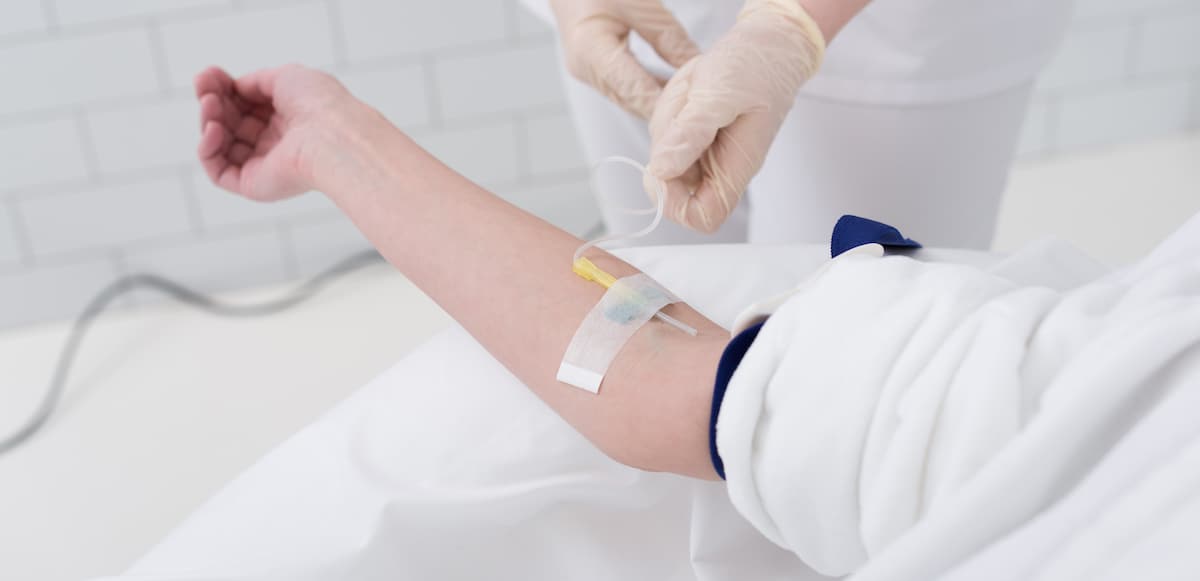
Stepping into a plasma donation center for the first time can be an enlightening experience. The process typically begins with a thorough screening where donors are asked to fill out a medical history questionnaire. Following this, a healthcare professional will conduct a physical examination, checking vital signs and ensuring that your hemoglobin levels are adequate for donation. Once cleared, the donation process can begin. It typically takes around 1 to 2 hours from start to finish. Donors can expect to sit comfortably in a reclining chair while a needle is inserted into their arm to draw blood. A separator will separate the plasma from red blood cells, which are then returned to the body. After the procedure, donors are monitored for a little while, and are encouraged to hydrate and have a snack, an important step to help replenish energy levels. Understanding this process prepares donors for the experience, alleviating any anxiety about what to expect and ensuring they feel comfortable and informed.
Eligibility Criteria: Are You the Right Fit for Plasma Donation?
Before you plan your visit, it’s crucial to be aware of the eligibility requirements for donating plasma. Generally, donors must be at least 18 years old, weigh at least 110 pounds, and be in good health. While these baseline criteria are standard, various donation centers may impose additional specific requirements based on clinical needs or regional health considerations, such as chronic illnesses or recent vaccinations. For instance, individuals with a history of certain infectious diseases like HIV or hepatitis may be disqualified. Furthermore, lifestyle habits such as drug use, smoking, and alcohol consumption can influence donor eligibility. Ultimately, it’s advisable to check with your local donation center in Glassboro for any additional qualifications they may have before heading in for your donation.
Preparing for Your Donation: Tips for a Smooth Experience
Preparation can significantly enhance the overall donation experience. Donors are encouraged to hydrate well before their appointment, as good hydration not only helps in increasing plasma volume but also makes the process smoother. Eating a nutritious meal a few hours prior can help maintain energy levels and minimize any feelings of dizziness post-donation. It’s also recommended to wear loose-fitting clothing with sleeves that can be rolled up easily to facilitate access to your arm. Arriving at the donation center with a positive frame of mind and an understanding of the process can help ease any nerves. Many centers offer a welcoming environment where donors can converse with staff or connect with other donors, thereby enriching the experience. Lastly, knowing that one’s efforts are translating into a direct benefit to patients waiting for vital therapies adds an inspiring layer of motivation to the act of giving.
Where to Donate: Discovering Plasma Donation Centers in Glassboro
Local Plasma Donation Centers: A Closer Look
Glassboro is home to several plasma donation centers that work diligently to serve the local community’s needs. These facilities typically feature modern, clean environments equipped with comfortable seating, advanced donation technology, and knowledgeable staff who prioritize donor education and care. When choosing a donation center, it’s wise to visit a few options if possible, to understand which location provides the most convenient hours, best amenities, and feels the most welcoming according to your preferences. Each center contributes uniquely to the community, making the effort to donate more accessible and enjoyable for individuals looking to make a difference.
Comparing Services: What to Look For in a Donation Center
When weighing your options regarding plasma donation centers, consider several crucial aspects that can influence your experience. Key indicators of a stellar donation center include their accreditation status, level of cleanliness, and the professionalism of the staff. Additionally, exploring amenities such as the availability of online appointment scheduling, the presence of complimentary snacks and drinks post-donation, and the presence of comfortable seating areas can enhance your experience. Many centers are committed to manufacturing high-quality plasma products, which fosters trust in their practices and procedures. Another point of consideration is the center’s compensation for donors: while financial compensation is often a motivating factor, it’s essential to also value the service experience. It’s always beneficial to read reviews or seek testimonials from former donors to gauge others’ experiences before making your choice.
Community Resources: Additional Support and Information
In addition to the readily available resources from plasma donation centers, Glassboro offers a broader range of community resources that can assist aspiring donors. Local healthcare organizations may provide informative sessions or events focused on educating the community about plasma donation and overall health. Community centers often advertise blood drives and plasma donation days, partnering with local clinics to boost participation. Online resources such as the American Red Cross and the Alliance of Blood Operators provide comprehensive guidelines regarding the donation process, eligibility, and potential health benefits. Utilizing these resources not only equips individuals with knowledge but also helps foster a culture of giving within the community, encouraging more residents to step forward and contribute.
The Rewards of Giving: What You Gain from Donating Plasma
Financial Compensation: Understanding Payment Options
One of the attractive aspects of plasma donation is the financial compensation provided to donors. While the monetary payment should not be the sole motivation for donating, many donors appreciate the extra income to offset expenses. Compensation can vary widely based on the location of the donation center, the frequency of donation, and promotional incentives available for first-time donors or those who make recurring donations. Typically, first-time donors may receive higher initial compensation to encourage participation. Centers might also have referral incentives, bonus payments for specific donation days, or ‘loyalty’ bonuses for consistent donors. Understanding the compensation structure at your chosen center can help provide additional motivation to give back to your community while earning some extra cash.
Health Benefits: The Positive Impact on Your Well-Being
Beyond the cash incentive, donating plasma also offers valuable health benefits for the donor. Engaging in plasma donation can promote overall health awareness, inspiring individuals to maintain a healthier lifestyle. Before the donation process, donors often undergo health screenings which can help catch potential underlying health issues before they become concerning. Furthermore, recent studies indicate that regular plasma donation can contribute positively to blood pressure regulation and may even lower the risk of certain diseases. The act of donating itself elicits a feeling of altruism, often boosting the donor’s emotional and psychological well-being. Donors frequently report feelings of happiness and satisfaction, knowing they are making a meaningful difference. In essence, when you donate, you are investing in both the health of the community and your own personal health.
Building Community Connections: The Social Aspect of Donation
Plasma donation is not merely a transaction; it’s an opportunity to connect with like-minded individuals who share a common goal of helping others. Many donors find themselves forming new friendships or bonds with fellow donors and staff at donation centers. This social aspect can help to combat feelings of isolation and serve as a reminder of the good in humanity. Engaging in community events related to donation, such as health fairs or educational workshops, allows donors to further immerse themselves in communal efforts. By sharing stories and experiences with one another and exhibiting a commitment to contributing to healthcare advancements, donors create a supportive network that transcends the act of giving plasma. In the long-term, being part of such a community can enrich one’s life through shared values and mutual support, instilling a sense of pride and belonging.
FAQ
Question: How often can I donate plasma? – Donors can typically donate plasma every 28 days, but specific frequency can vary by donation center based on local regulations and individual health factors.
Question: Is there an age limit for donating plasma? – While the minimum age is commonly set at 18, some centers may allow donors aged 16 or 17 with parental consent, depending on local laws and regulations.
Question: What should I eat before donating plasma? – It is recommended to consume a nutritious meal rich in protein and iron to help sustain your energy levels and ensure iron levels are adequate for donation.
Question: What happens if I feel unwell after donating? – If you experience dizziness, nausea, or any other concerning symptoms after donating, inform the staff immediately, and they will provide assistance and care to help you recover.
Question: Can I donate plasma if I have a medical condition? – It depends on the specific condition and its management; consult with your healthcare provider and the plasma donation center to discuss your eligibility.
Question: Will my insurance cover plasma donation? – Typically, insurance does not cover plasma donation as it is usually a voluntary and compensated process, but it’s advisable to check with your insurance policy for specifics.
Question: Can I donate plasma if I recently received a vaccine? – It varies based on the type of vaccine; some centers have waiting periods post-vaccination, so it’s best to check the specific guidelines of the donation center you plan to visit.
Question: How can I prepare for my donation appointment? – Staying hydrated, eating well before your appointment, wearing comfortable clothing, and bringing identification can help ensure a smooth donation experience.
