
The Anatomy of Pool Coping: What You Need to Know
Defining Pool Coping: Its Importance and Functionality
Pool coping serves as the critical edge that borders a swimming pool, designed to provide structural integrity while delivering aesthetic appeal. Essentially, it is the surface that forms the transition between the pool and the surrounding decking. Understanding the importance of pool coping goes beyond its ornamental aspect; it plays a vital role in water management, safety, and even the overall longevity of your pool. This is because the coping can prevent water from eroding the ground around your pool, directing it back into the pool instead. Furthermore, it offers a secure grip for swimmers getting in and out of the pool, fundamentally promoting safety. In cooler climates like Arlington, coping also contributes to the freezing resistance of the pool edges, shielding the entire pool structure from the elements during harsh winter months.
Common Types of Pool Coping Materials: Pros and Cons
Choosing the right material for your pool coping is fundamental, and this choice often hinges on personal preference, budget, and the specific needs of your swimming pool. Traditional materials include concrete, natural stone, and brick; each serving unique benefits and drawbacks. Concrete is favored for its versatility and low maintenance but can become slippery when wet. Natural stone, such as travertine or slate, offers visual vibrance and uniqueness, but comes at a higher cost and requires regular maintenance to keep its appearance intact. Alternatively, brick coping provides a classic style that’s durable and generally less costly, yet it may suffer from weather wear over time. Synthetic options like pavers or polymer-modified coping materials might appeal for their ease of installation and relative affordability, but ensure that the chosen product promotes good slip resistance to ensure safety.
Understanding the Various Styles: From Classic to Contemporary
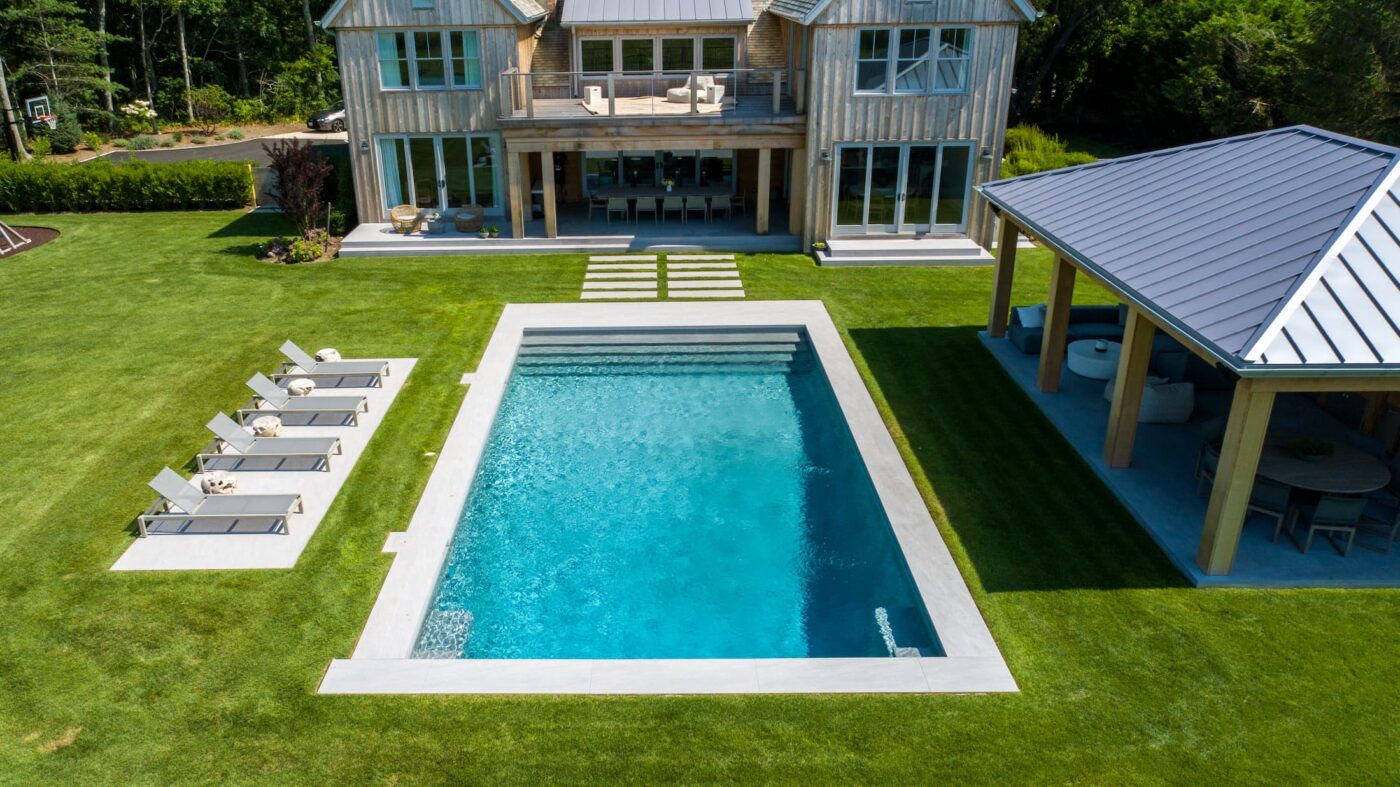
The aesthetic of pool coping can dramatically influence the overall ambiance of your pool area. Classic styles—such as bullnose coping, characterized by a rounded edge, provide a traditional and timeless appeal, blending seamlessly with more conventional pool designs. On the other hand, contemporary styles may incorporate sharp angles or geometric designs, often utilizing sleek materials like poured concrete or modular pavers. When thinking about style, it’s pivotal to consider the architecture of your home and outdoor area. The harmony between pool coping and surrounding landscape can foster an inviting oasis or, conversely, create a jarring aesthetic. Each stylistic choice can evoke certain feelings and themes; thus, understanding design principles becomes equally important as selecting materials.
Signs Your Pool Coping Needs Attention
Visual Indicators: Cracks, Chips, and Discoloration
Maintaining the health of your pool coping begins with vigilant observation. One of the most immediate signs that your coping needs attention is the appearance of cracks or chips. Such imperfections can arise from various factors, including freeze-thaw cycles, age-related wear, or improper installation. Discoloration, often the result of weathering, algae growth, and even chemical exposure, can diminish not only the visual appeal of your pool but further compromise its structural integrity. Any visible cracking, chipping, or color changes ideally should prompt immediate inspection to prevent further deterioration; small issues can evolve into significant problems if left unaddressed.
Functional Signs: Water Damage and Structural Integrity
While aesthetic factors are crucial, the functional aspects of pool coping must not be overlooked. Water pooling around the edges can indicate failing coping, allowing moisture to seep beneath, leading to potential structural issues. This is particularly vital in Arlington, where varying weather conditions can wreak havoc on outdoor structures. If you notice that water is not draining properly, it may lead to erosion, instability, and ultimately costly repairs. Additionally, a loose or unstable coping can pose safety risks, as it might not support the weight of users entering or exiting the pool. A thorough inspection, paying attention to function, can save time and expenses in the long run.
Seasonal Changes: When to Assess Your Coping’s Condition
Seasonal changes impact pool maintenance notably, making it imperative to perform regular inspections, particularly just before and after seasonal transitions. In the fall, removing debris to prevent build-up can safeguard sensitive materials from deterioration due to dampness. Spring is an excellent time for a comprehensive assessment, as warmer temperatures reveal hidden damages incurred during winter. It’s wise to schedule these evaluations, preferably at the changing of each season, to catch needed repairs before they escalate, ensuring your pool remains in optimal condition year-round.
DIY Pool Coping Repair: A Step-by-Step Guide
Essential Tools and Materials: What You’ll Need for the Job
If you’re inclined to tackle pool coping repair yourself, it starts with gathering the right tools and materials. Essential items typically include a hammer and chisel for chip repair, trowels for applying new mortar, and various safety gear like gloves and goggles. For patching or replacing coping stones, you will also need replacement stones or materials, adhesive, joint compounds, and sealants. Additionally, a level is fundamental to ensure that replacements fit securely and are even with surrounding surfaces to prevent tripping hazards. By preparing appropriately with the right tools, you set yourself up for a more efficient and successful repair project.
Repair Techniques: From Simple Patching to Complete Replacement
Depending on the level of damage, repairs can range from simple patching to more extensive replacements. For minor chips or cracks, an epoxy or acrylic patch filler can effectively seal and protect against further damage. When significant portions of the coping need replacement, however, you will likely need to remove the affected stones or sections. This process may involve chiseling out the damaged pieces carefully, then cleaning the underlying surface before fitting new pieces into place. Regardless of the repair method employed, precision is key to making the repairs last; ensure an even application of adhesives and sealants to guard against moisture infiltration.
Safety First: Maintaining Safety Protocols While Repairing
Engaging in DIY repairs does come with its risks, thus adhering to safety protocols is paramount. Wearing protective gear such as gloves and safety goggles can shield your eyes and skin from debris and hazardous materials. Ensure that the area is cordoned off to prevent accidental injuries from people slipping or tripping over tools. Pay close attention to the use of chemicals, especially any adhesives or sealants, adhering strictly to OSHA guidelines for safety. Finally, remain aware of your surroundings; ensure that electrical equipment used for repairs (like saws) is properly managed to mitigate risks related to electrocution or tool accidents.
When to Call in the Pros: Hiring a Pool Repair Specialist
Assessing the Complexity of Your Repair Needs
Understanding when to delegate repairs to a professional rather than undertaking DIY efforts is essential. If the damage is extensive—such as significant cracking, structural issues, or large-scale surface erosion—then enlisting a qualified pool repair specialist is advisable. Additionally, specialized repairs, like those involving electrical components or requiring specialized concrete mixing, benefit from professional oversight to guarantee long-lasting results. Evaluating the complexity of the repair will greatly influence the longevity of your pool’s structural integrity, as attempting an overly challenging project without expertise can lead to greater future costs.
What to Look for in a Qualified Pool Repair Professional
When it comes time to search for expert pool coping repair in Arlington, ensuring you choose a qualified professional is of utmost importance. Look for licensed contractors with positive reviews and testimonials from previous clients. Ask for their portfolio of completed projects to gauge their expertise and style. Certifications from professional associations also indicate a commitment to quality and ongoing education within the industry. Moreover, the ability to communicate effectively and provide a detailed assessment of your needs will enhance your trust in their abilities. Engaging with reputable references will also clarify their reliability before committing to a network of services.
Understanding Repair Costs: Budgeting for Your Project
Budgeting for pool coping repair is a vital aspect that requires thorough forethought. The costs can vary dramatically based on factors like the complexity of the repairs, materials used, and labor charges in your area. By conducting thorough research, you can delineate a range of expected costs; this includes not only the necessary materials but also potential hidden fees associated with labor and equipment rental. When speaking to professionals, inquire about estimates and whether they offer warranties to cover any unforeseen repairs after completion. Budgetary considerations are not just about the upfront costs; consider long-term maintenance to minimize future expenditures and maximize your investment in the long run.
FAQ
Question: How often should I inspect my pool for damage? – It is recommended to inspect your pool coping at least twice a year, typically before and after the seasonal transitions, to catch any damage early and prevent further issues.
Question: What are the common causes of pool coping damage? – Common causes of pool coping damage include freeze-thaw cycles, improper installation, weather exposure, and the effects of chemicals used in pool maintenance.
Question: Can I change my pool coping material without affecting the pool structure? – Yes, you can change your pool coping material; however, it’s important to ensure the new material is compatible with the existing pool structure to maintain stability and drainage.
Question: What should I do if I discover significant cracks in my pool coping? – If you find significant cracks, it’s best to consult a professional pool repair specialist to assess the damage and recommend the best repair options to avoid further structural issues.
Question: Are there any DIY methods to prevent coping deterioration? – Yes, regular cleaning, sealing the coping surfaces, and applying protective coatings can help prevent deterioration and prolong the lifespan of your pool coping.
Question: How can I ensure the safety of my pool coping during a repair? – Ensure safety by wearing protective gear like gloves and goggles, cordoning off the repair area, and following manufacturer instructions for any adhesives or sealants used.
Question: What type of coping material is best for colder climates like Arlington? – Natural stone and concrete with proper sealing are excellent choices for colder climates as they provide durability and help prevent damage from freezing temperatures.
Question: What are the signs that I should hire a professional for my pool coping repair? – Signs that indicate the need for professional help include extensive cracking, structural instability, large-scale surface erosion, or when the repairs involve specialized skills or materials beyond typical DIY capabilities.
Useful Resources
- Pool & Spa Warehouse
- Association of Pool & Spa Professionals
- Consumer Product Safety Commission
- Pool Care Guide
- Building Science Corporation
- HomeAdvisor
- Houzz
- Architectural Digest
