
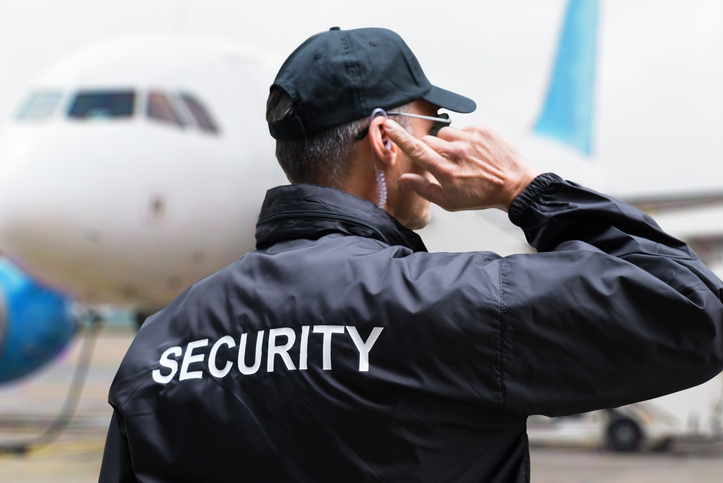
Air travel has never been busier, and with that growth comes a steady rise in responsibility. Airports move thousands of people every hour, along with cargo, baggage, and sensitive information. Behind every smooth boarding call is a quiet network of people trained to notice what others miss. Their job is not glamorous, but it is essential, and the margin for error is small.
At the same time, threats evolve quickly. Procedures that worked five years ago can feel outdated today. New technology, new tactics, and new regulations require constant learning. That reality has pushed security teams to rethink how they train, and many are turning to flexible online programs to keep pace.
Shifting from occasional seminars to continuous learning
Traditional training often meant a few days in a classroom once a year. Staff would travel, sit through presentations, and return to work hoping to remember everything. While those sessions had value, they rarely fit the day to day demands of a busy airport or airline. When shifts change and teams rotate, pulling everyone into the same room becomes a logistical puzzle.
Online education changes that rhythm. Instead of cramming knowledge into a short window, teams can learn in smaller, regular sessions. Short modules, quizzes, and scenario based exercises make it easier to reinforce skills over time. Learning becomes part of the job rather than an interruption to it.
What modern aviation security teams are expected to know
The scope of airport safety is broader than many people realize. It is not just about checking bags or watching metal detectors. Security staff manage access control, monitor restricted areas, protect cargo, and respond to suspicious behavior. They also coordinate with law enforcement and follow strict reporting protocols.
Because of that range, training must cover both technical skills and human judgment. Employees need to understand equipment, but they also need to read body language, communicate clearly, and stay calm under pressure. A single oversight can ripple across an entire terminal.
Core competencies every trainee builds
Most programs start with foundational topics such as threat recognition, screening procedures, and regulatory requirements. From there, lessons expand into risk assessment, incident response, and documentation standards. These basics create a common language so teams can work together smoothly, even if they come from different departments.
More advanced courses often include simulated case studies. Trainees analyze realistic scenarios, decide how they would act, and receive feedback. This practical approach helps knowledge stick. Instead of memorizing rules, they learn how to apply them in real time situations.
Technology literacy as a new requirement
Security tools are becoming more sophisticated each year. X-ray systems use smarter detection software. Access control systems rely on biometrics and digital logs. Data from cameras and sensors is aggregated into centralized dashboards. Staff who are not comfortable with these tools can quickly fall behind.
Online modules make it easier to introduce new technology. Video walkthroughs, interactive demos, and virtual labs allow employees to practice without risking real operations. They can replay lessons as needed, which builds confidence and reduces mistakes when they step onto the floor.
Why online formats are becoming the default
For years, online training was treated as a backup option. Today it is often the first choice. The reason is simple, aviation never really sleeps. Airports operate around the clock, and scheduling everyone for in person sessions can disrupt coverage. Digital courses allow learning to happen before a shift, after a shift, or during slower hours.
Cost also plays a role. Travel, instructors, and physical facilities add up quickly. Online platforms reduce those expenses while reaching more people at once. Organizations can update materials instantly when regulations change, rather than reprinting manuals or rescheduling classes.
Flexibility that fits real schedules
A ramp agent working nights and a supervisor working mornings have very different schedules. Online programs let each person learn when it makes sense for them. Lessons can be paused and resumed, which helps employees balance work and family responsibilities.
This flexibility improves completion rates. When people feel rushed or inconvenienced, they tend to disengage. When they can move at their own pace, they are more likely to absorb the material. Over time, that translates into better performance on the job.
Consistency across large teams
Another benefit is standardization. In a classroom, different instructors may emphasize different points. Online courses present the same content the same way to everyone. That consistency is important in regulated environments where procedures must be followed precisely.
For organizations working under guidance from groups like the Transportation Security Administration, consistent documentation of training is also critical. Digital platforms track who completed which modules and when. Audits become easier, and compliance becomes less stressful.
Inside a typical online training experience
Logging into an online course is not just reading slides. Well designed programs feel interactive and practical. A new hire might start with short videos explaining airport layouts and security zones. Then they move into exercises that test their understanding with quick questions and scenarios.
As they progress, the material becomes more immersive. Some courses use branching simulations where choices lead to different outcomes. Others include recorded interviews with experienced staff who share lessons from real incidents. These stories make the training feel less abstract and more human.
Simulations that mirror real situations
Imagine a trainee watching a simulated checkpoint feed. A passenger behaves oddly, leaving a bag unattended. The course asks what to do next. Should they call a supervisor, approach the passenger, or clear the area first. Making that decision in a safe environment builds muscle memory for the real thing.
These simulations are powerful because they allow mistakes without consequences. Learners can see what would have happened and try again. That type of repetition is difficult to achieve in live operations, where every moment counts.
Choosing a quality program without getting overwhelmed
With so many providers offering courses, selecting the right one can feel daunting. Some platforms focus on compliance checklists, while others emphasize hands-on scenarios. The best options balance both. They cover regulatory requirements and also prepare people for unpredictable challenges.
Organizations should look for courses that are updated regularly. Aviation rules and best practices change often. A program that has not been refreshed in years may leave gaps. Clear reporting tools, responsive support, and practical assessments are also good signs of quality.
Questions to ask before enrolling
It helps to ask a few direct questions. Does the course align with recognized standards? Are there opportunities for practice, not just reading? Can progress be tracked easily for audits. These details matter more than flashy marketing or long feature lists.
Peer feedback can also guide decisions. Talking with other managers or team leads about what worked for them often reveals insights that brochures do not mention. Real world experience tends to be the most reliable indicator of value.
Looking ahead at the future of digital safety education
Technology continues to reshape how people learn. Virtual reality headsets now allow trainees to walk through realistic airport environments without leaving a classroom. Artificial intelligence can adapt lessons based on performance, offering extra practice where someone struggles. These tools make learning more personalized and engaging.
At the same time, human judgment remains central. No software can fully replace intuition and communication skills. The goal of modern training is not to automate everything, but to prepare people to think clearly and act decisively. Digital tools simply make that preparation more accessible.
Balancing innovation with practical needs
It is tempting to chase every new trend, but not every team needs cutting edge technology. Sometimes a well structured video and quiz are enough. The key is matching the tool to the task. Simple solutions that people actually use are often more effective than complex systems that sit idle.
As organizations continue investing in aviation security training, the focus should stay on outcomes. Are staff more confident? Do they respond faster? Are incidents handled more smoothly? When the answer is yes, the format is doing its job.
By blending flexibility, consistency, and real world practice, online learning has quietly become one of the most important supports behind safe skies. It may not be visible to passengers walking through a terminal, but it shapes every interaction they have. Well prepared teams make travel feel routine, and that sense of normalcy is exactly what strong security aims to protect.
